

Brighten Your Exterior: A Guide to Choosing the Best Outdoor Ceiling Lights
Getting your outdoor spaces looking just right for summer? Me too! One thing I've been thinking about is how much a good outdoor ceiling light can change things. It's not just about seeing where you're going after dark, you know? It’s about making the whole area feel more inviting, safer, and just generally more usable when the sun goes down. So, I've put together a few pointers on picking the best outdoor ceiling lights to brighten up your place.
Key Takeaways
- Outdoor ceiling lights do more than just look good; they improve safety, make your garden usable at night, and create a pleasant atmosphere.
- Make sure the size of your outdoor ceiling lights fits the space properly – not too big, not too small.
- The style of your outdoor ceiling lights should match your home's overall look, whether that's modern, rustic, or something else.
- Choose outdoor ceiling lights made from strong materials that can handle rain, wind, and other weather. Check the weather resistance rating too.
- Consider what you need the light for – general brightness, task lighting for activities, or accent lighting to highlight features – and select your outdoor ceiling lights accordingly.
Understanding The Importance Of Outdoor Ceiling Lights
Right then, let's talk about why those ceiling lights for your patio or porch are actually a pretty big deal. It’s not just about making things look a bit nicer, though they certainly do that. These lights do a lot more heavy lifting than you might think.
Enhancing Safety And Usability
First off, they're brilliant for setting a mood. Think about sitting out on your deck in the evening. A few well-placed ceiling lights can turn a dark, uninviting space into a cosy spot for chilling out or having friends over. It’s amazing how much difference the right kind of light makes. Plus, and this is a big one, they make things safer. No more stubbed toes or tripping over garden gnomes in the dark. Good lighting means you can actually see where you're going, which is handy for everyone, especially if you've got kids or older relatives pottering about.
Proper illumination stops those awkward moments where someone nearly takes a tumble. It’s about making your outdoor areas feel secure and accessible, day or night.
Creating A Welcoming Atmosphere
When people arrive at your house, the first impression is often made before they even step inside. Those outdoor ceiling lights, especially around the front door or on the porch, really set the tone. They make your home look inviting and cared for. It’s a simple touch, but it tells visitors they’re welcome. It also adds a bit of polish to your home's exterior, making it look more put-together.
Extending Outdoor Living
Honestly, once the sun goes down, most of us tend to retreat indoors. But with decent outdoor ceiling lights, you can keep using your patio, balcony, or garden room for longer. Imagine being able to enjoy a meal al fresco, read a book, or just have a quiet drink outside, even after it's gotten dark. It’s like adding an extra room to your house, but it’s outside. This is particularly useful if you've got a covered area, like a porch or a gazebo, that you want to make the most of.
Here’s a quick look at what different types of lighting can do:
- Ambient Lighting: Provides overall illumination, perfect for general outdoor areas like patios and porches.
- Task Lighting: Offers focused, brighter light for specific activities, ideal for outdoor kitchens or workspaces.
- Accent Lighting: Creates visual interest and highlights features, great for gardens, sculptures, or architectural details.
Choosing the right outdoor ceiling lights involves considering several key factors, including the size and style of your outdoor space, durability, energy efficiency, and the lighting purpose. By following these essential tips, you can find the perfect ceiling light fixture that enhances your outdoor living area, creating both beauty and functionality for years to come.
Selecting The Right Size And Scale For Your Outdoor Space
So, you've picked out some lights that look pretty snazzy, but hold on a minute. Before you whip out the drill, let's have a quick chat about making sure they actually fit the space. It's a bit like trying to squeeze a king-size bed into a tiny spare room – it just won't work, will it? The same goes for your porch or patio. You want the light to look like it belongs, not like it's about to take over or, on the flip side, get completely lost.
Proportionality For Your Outdoor Area
The main thing is to get the size right so it feels balanced. Think about the overall size of the area you're trying to light. A tiny little light on a massive patio will just look a bit sad and won't really do much. On the other hand, a huge, dramatic fixture might completely overwhelm a small entryway, making it feel cramped.
Guidelines For Different Space Types
It's not really a one-size-fits-all situation, is it? Different outdoor areas need different approaches. Here’s a rough guide to help you get it right:
| Space Type | Recommended Fixture Diameter | Ceiling Height Considerations |
|---|---|---|
| Small Porch/Entry | 12-18 inches | Low ceilings (8-9 feet) |
| Medium Patio/Deck | 18-24 inches | Standard ceiling (9-10 feet) |
| Large Gazebo/Patio | 24-36 inches | High ceilings (10+ feet) |
Remember, these are just starting points. If you have a particularly grand entrance with double doors, you might need to go a bit bigger than the 'small porch' suggestion to keep things balanced.
Matching Fixture To Ceiling Height
This ties in closely with the previous point. If you've got really high ceilings, you've got more flexibility. You can often get away with larger, more statement-making fixtures, perhaps even a pendant light or a small chandelier that hangs down a bit. For lower ceilings, though, you'll want to stick to flush-mount or semi-flush mount fixtures. You don't want anyone bumping their head, do you? It's all about creating a comfortable and safe space.
Getting the scale right means the lighting feels intentional and adds to the overall look, rather than just being a functional afterthought. It's about visual harmony, making sure everything works together.
Choosing The Right Style For Your Outdoor Space
So, you've got the size sorted, and you're thinking about how the lights will actually look. This is where things get fun, but also a bit tricky. You don't want your outdoor lights to look like they were just plonked on as an afterthought, do you? They should feel like they belong, like they're part of the whole look of your home and garden.
Modern And Contemporary Aesthetics
If your house is all clean lines, sharp angles, and maybe a bit of concrete or metal, then modern and contemporary styles are probably your best bet. Think simple shapes, minimal fuss, and finishes like brushed nickel, matte black, or even a bit of polished chrome. These lights don't shout for attention; they just fit in, adding a sophisticated touch without being over the top. They're great for urban settings or homes that have a really sleek, minimalist vibe going on.
Rustic And Farmhouse Charm
On the flip side, if your place has a bit more of a country feel, maybe with exposed brick, wooden beams, or a lovely garden setting, then rustic or farmhouse styles could be perfect. These often feature more traditional lantern shapes, perhaps with seeded glass or a darker, more aged metal finish. Sometimes you'll see them made with materials like wood or wrought iron, which really adds to that cosy, down-to-earth feel. They're brilliant for making a porch or patio feel extra welcoming.
Traditional And Coastal Influences
Traditional styles are pretty much what they sound like – classic designs that work well with more established homes. These might have a bit more decorative detail, perhaps a slightly more ornate arm or a classic bell shape. They tend to be quite timeless. Then there are coastal styles, which are fantastic if you live by the sea or just love that nautical look. Think lanterns with a bit of a maritime feel, maybe in materials that can handle salty air, like certain types of aluminium or treated metals. They often have a relaxed, airy vibe that just screams 'holiday home'.
Picking a style that matches your home's architecture and your personal taste is key. It's not just about the light itself, but how it contributes to the overall atmosphere and curb appeal of your property. A well-chosen fixture can really tie everything together.
Here's a quick look at how different styles can suit various homes:
- Modern/Contemporary: Best for homes with clean lines, minimalist landscaping, and urban settings. Look for geometric shapes and metallic finishes.
- Rustic/Farmhouse: Ideal for country homes, cottages, or properties with natural materials like wood and stone. Lantern shapes and darker finishes work well.
- Traditional: Suits classic architecture, older homes, and formal gardens. Features often include more decorative elements and vintage-inspired designs.
- Coastal: Perfect for beachfront properties or homes with a relaxed, airy aesthetic. Nautical elements and weather-resistant materials are common.
Prioritising Durability And Weather Resistance
When you're picking out lights for your patio or porch, it's not just about how they look. These fixtures are going to be out in the elements, dealing with whatever the weather throws at them. So, making sure they're built tough is pretty important. You don't want to be replacing them every year, do you?
Understanding Weather Resistance Ratings
Outdoor ceiling lights have a tough job. They need to handle everything from scorching sun and heavy downpours to freezing winds. Choosing lights specifically designed for outdoor use is the first step to ensuring they last. Look for terms like 'weather-resistant' or 'all-weather' on the packaging. This usually means they've been made with materials and finishes that won't corrode, fade, or crack when exposed to the elements. The most useful thing to check is the IP rating, or Ingress Protection rating. This tells you how well a light fixture is protected against solid objects (like dust) and liquids (like water).
For most outdoor ceiling lights, you'll want to look for a rating of at least IP44. This means it's protected against objects bigger than 1mm (like wires) and splashing water from any direction. If your lights are going to be in a more exposed spot, maybe where they'll get direct rain, aim for IP65. That offers protection against dust and low-pressure water jets.
Here's a simple way to think about it:
- IP44: Good for covered areas like porches or patios where there's some protection from direct rain.
- IP65: Better for more exposed locations, offering protection against direct rain.
Choosing lights with the right IP rating is key to making sure they don't just look good but also work reliably for years to come.
Materials Built For The Elements
Different materials stand up to the weather in their own ways. Here's a quick rundown of what to look for:
| Material | Pros | Cons |
|---|---|---|
| Aluminium | Rust-resistant, lightweight, affordable | Can dent or scratch more easily |
| Stainless Steel | Very durable, rust-resistant | Heavier and can be more expensive |
| Copper | Attractive, develops a natural patina | Expensive, may need regular maintenance |
| Cast Iron | Long-lasting, classic look | Heavy, prone to rust if not treated well |
Think about your local climate too. If you're in a coastal area with salty air, rust resistance is going to be a much bigger deal than if you live inland. Stainless steel is often a great all-rounder for durability and weather resistance.
Protecting Against Wind And Rain
Beyond the material and IP rating, consider how the fixture is designed. A flush-mount fixture will generally offer better protection against wind and rain than a hanging pendant, as it sits closer to the ceiling. If you opt for a pendant, ensure it has a secure mounting system and a sturdy chain or cable that won't easily be buffeted by strong gusts. Some fixtures also have built-in diffusers or covers that help protect the bulb and internal components from direct water ingress, even in driving rain. Always check the manufacturer's recommendations for installation in windy or exposed locations.
Considering Energy-Efficient Lighting Options
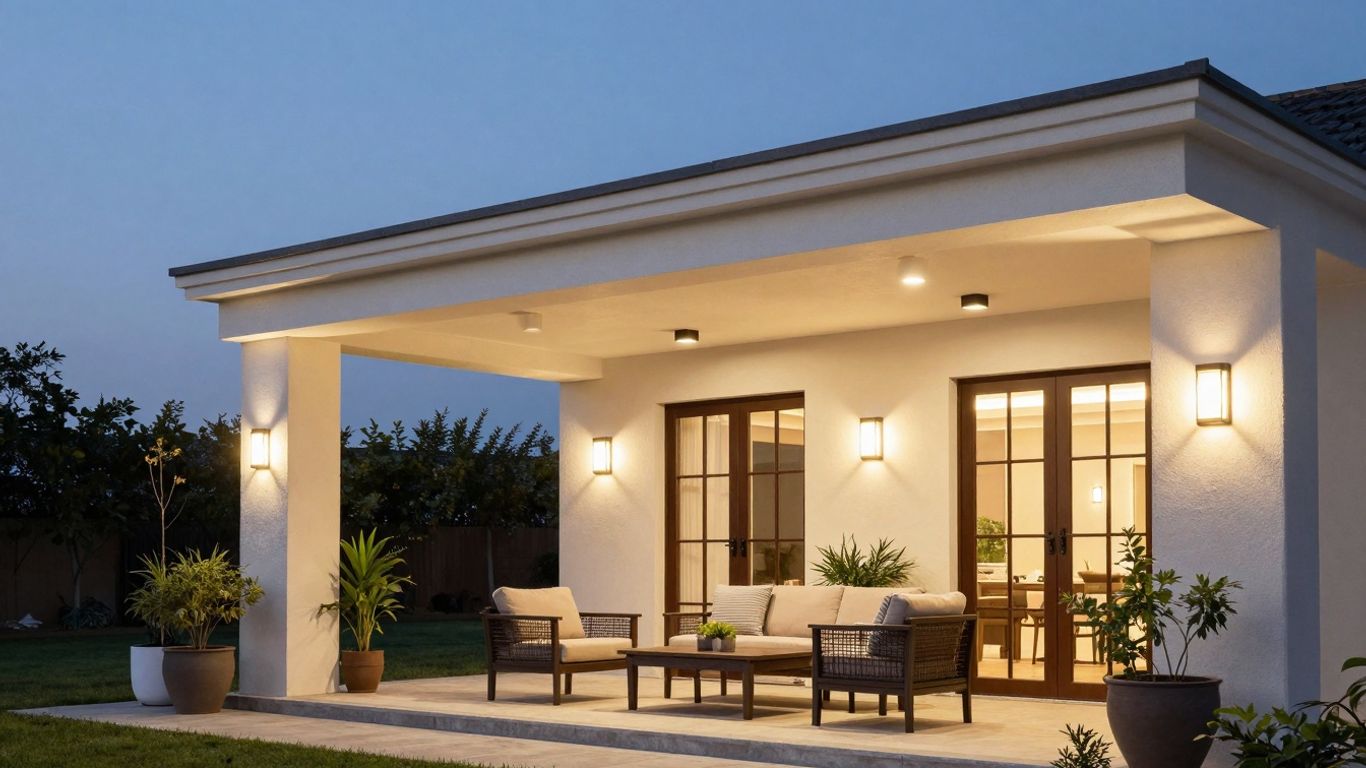
When you're picking out lights for your porch or patio, it's a really good idea to think about how much electricity they'll use. Going for energy-efficient options isn't just good for your wallet in the long run, it's also a bit kinder to the planet. Luckily, there are some great choices available these days that don't skimp on brightness or style.
The Benefits Of LED Outdoor Ceiling Lights
LEDs are pretty much the go-to for energy-efficient lighting now, and for good reason. They use a fraction of the power compared to old-fashioned incandescent bulbs – sometimes up to 75% less! And they last ages, meaning you won't be up a ladder swapping bulbs every few months. A typical 10-watt LED can give you the same light as a 60-watt old-style bulb. That's a big saving on energy.
Here's a quick look at how they stack up:
| Light Type | Power Use (W) | Lifespan (Hours) | Approx. Yearly Cost* |
|---|---|---|---|
| Incandescent | 60 | 1,000 | £14.00 |
| LED | 10 | 25,000 | £2.50 |
| CFL | 15 | 10,000 | £5.00 |
*Based on average UK electricity prices and 3 hours of use per day.
Smart Lighting For Convenience And Savings
Smart lighting technology offers advanced features that can really boost both convenience and energy efficiency. Smart exterior ceiling lights can be controlled remotely via smartphone apps or even voice commands. This means you can adjust brightness, set schedules, and even change colours without having to go outside. Integrating smart lighting into your porch can provide added security by allowing you to schedule lights to turn on and off at specific times, giving the appearance that someone is home even when you are not. This technology not only makes life easier but also contributes to energy savings by ensuring lights aren't left on unnecessarily.
Reducing Your Carbon Footprint
Choosing lights that sip power rather than guzzle it offers a few perks. For starters, your electricity bill will thank you. Over time, the savings can really add up, especially if you have several lights on for extended periods. Plus, using less energy means a smaller carbon footprint, which is always a plus. It’s a simple change that makes a difference. If you're looking for something completely off-grid, solar-powered lights are worth a look. They soak up sunshine during the day and use that stored energy to light up your space at night. They're brilliant for areas where running wires might be a hassle or just not possible. While they might not be as intensely bright as wired options, they're perfect for general illumination or adding a bit of mood lighting without any extra cost on your energy bill.
When you're choosing, keep an eye out for the Energy Star label. Products with this certification have been checked to make sure they use less energy and have other features that help save you money and reduce environmental impact. It's a good indicator that you're making a smart, efficient choice.
Considering The Type Of Lighting And Its Purpose
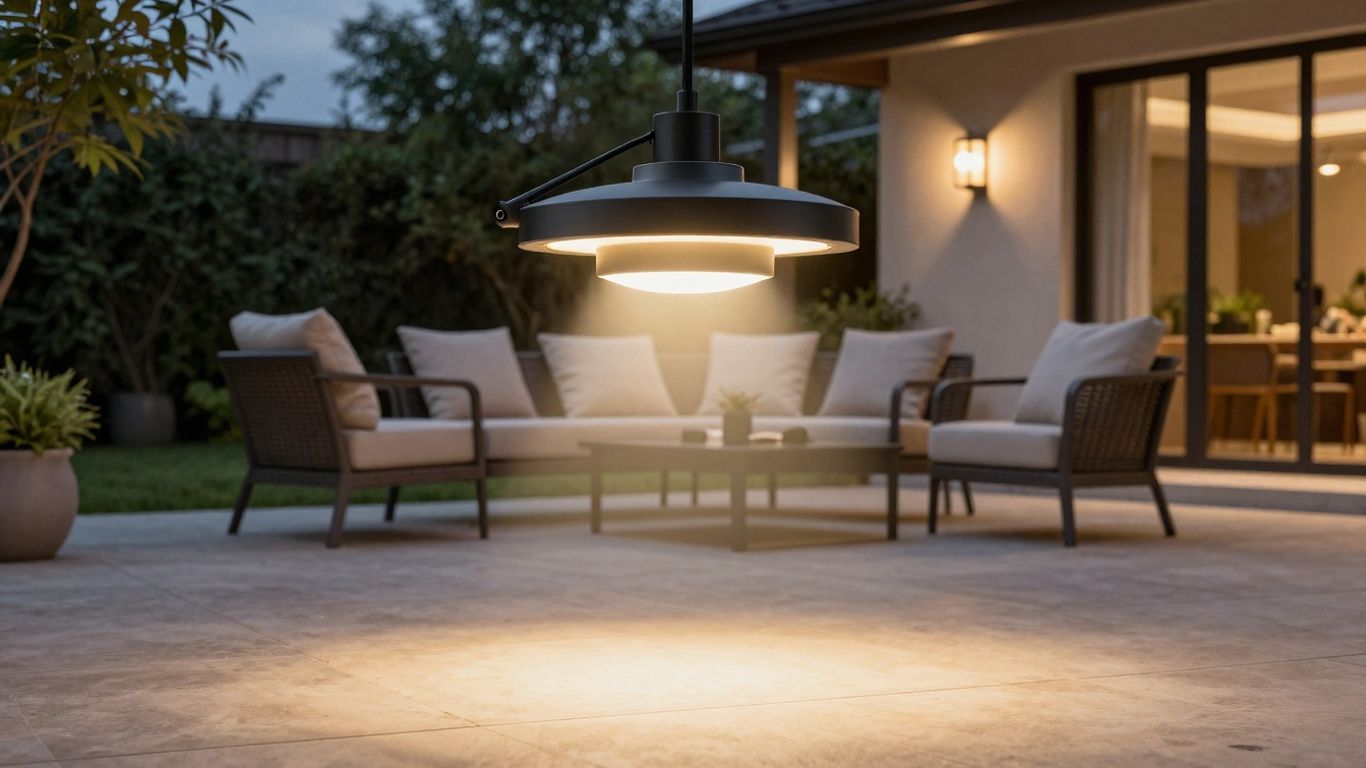
Right, so we've talked about how the lights look and how big they should be, but what about what they actually do? It's not just about having a light on; it's about having the right light for the job. Think about it like this: you wouldn't use a reading lamp to light up your whole garden, would you? The same applies outdoors.
Ambient Lighting For Overall Illumination
This is your go-to for general, all-over light. The main aim here is to make the space feel welcoming and usable after dark. It's not about blinding brightness, but more of a soft, comfortable glow that lets you see where you're walking and generally enjoy the area. It’s perfect for patios, decks, or just the main part of your garden where you might be sitting and chatting.
Task Lighting For Functional Areas
Now, if you've got specific activities going on, you'll need something a bit more focused. This is task lighting. Got an outdoor kitchen for whipping up a barbecue feast? Or maybe a seating area where you play cards or read? Task lighting provides a brighter, more directed beam to these spots, so you can see what you're doing clearly and safely. It’s all about practicality here.
Accent Lighting For Highlighting Features
This is where you can get a bit creative. Accent lighting isn't about general visibility; it's about drawing attention to specific things. Maybe you have a particularly nice tree, a garden sculpture, or an interesting bit of stonework on your house. Accent lights can highlight these features, adding depth and visual interest to your outdoor space. It’s like putting a spotlight on your favourite bits, making them stand out and adding a bit of drama.
Here's a quick breakdown:
- Ambient: General comfort and atmosphere (patios, decks).
- Task: Focused, bright light for activities (outdoor kitchens, seating areas).
- Accent: Highlighting features (plants, sculptures, architecture).
Choosing the right mix of lighting types means your outdoor space works better and looks fantastic, no matter the time of day. It’s about making the most of your garden after sunset.
When you're picking out lights, think about what you want them to do. Do you need bright light for working, or a softer glow for relaxing? The right lighting can really change how a room feels.
Want to find the perfect bulbs for any mood or task?
Visit our website today to explore our wide range of lighting options!
Final Thoughts
So, that’s the lowdown on picking out outdoor ceiling lights. It’s not just about making your porch look a bit nicer, though that’s definitely a bonus. It’s really about making your outside areas safer, more useful, and just generally more pleasant when it gets dark. We’ve chatted about how the size of the light, its style, how tough it is, and how much electricity it uses all matter. And don't forget to think about what you actually need the light for – is it just for a bit of atmosphere, or do you need to see clearly to, you know, chop vegetables for a barbecue? By keeping all these bits and pieces in mind, you can find lights that look good, do the job, and won't break the bank on your electricity bill. It’s all about creating a space you’ll actually want to hang out in, long after the sun’s gone down.
Frequently Asked Questions
Why bother with outdoor ceiling lights?
Outdoor ceiling lights are more than just for looks! They make your outside areas safer by lighting up paths, make guests feel welcome, and let you enjoy your patio or balcony even when it's dark. They really help your outdoor space feel like a proper extension of your home.
How do I pick the right size light for my porch?
It's all about balance. For smaller porches or entryways, a smaller light, maybe 12-18 inches wide, is usually best. For bigger patios or decks, you can go for something larger, like 18-24 inches or even bigger if your ceiling is high. You don't want a light that's too tiny or one that looks too big and overwhelming.
What style of light should I choose for my garden?
Think about how your house looks from the outside. If it's a modern house, pick lights with clean lines. For a more traditional home, something with classic details might fit better. If you have a country-style house, a lantern-style light could be perfect. The light should match your home's look and feel.
What does 'weather resistant' mean for outdoor lights?
Weather resistance means the light can handle rain, wind, and sun without getting rusty or breaking. Look for materials like aluminium or stainless steel. Also, check for an 'IP rating' – at least IP44 is good for general weather, and IP65 is even better for tougher conditions. This tells you how well it's protected from water and dust.
Are LED lights a good choice for outdoor ceiling lights?
Yes, LEDs are fantastic! They use much less electricity than old-fashioned bulbs, which saves you money on your bills. Plus, they last a really long time, so you won't have to change them as often. They're a smart and eco-friendly choice.
What's the difference between ambient, task, and accent lighting outside?
Ambient lighting is your general, all-over light for comfort. Task lighting is brighter and focused for activities like cooking. Accent lighting is for show, highlighting features like plants or statues to add visual interest.

