

Brighten Your Home: A Guide to Choosing the Best Lights for Outside the House
Making your house look good after dark is just as important as how it looks during the day. Good lights for outside the house can really change how your place feels, making it safer and more welcoming. It’s not just about being able to see; it’s about creating an atmosphere. Getting the right lighting can be a bit tricky, though, with so many options out there. This guide is here to help you figure out the best ways to light up your property.
Key Takeaways
- Pick the right kind of light fixtures for your garden and front door, like pathway lights or wall sconces.
- Think about safety and security first, using motion sensor lights and putting them in smart places.
- Create a nice mood with pathway lighting to guide people and brighten up your garden.
- Show off special parts of your home using accent lighting techniques.
- Keep your outdoor lights working well by cleaning them regularly and checking for damage.
Understanding the Role of Lights for Outside the House
Lighting outside the house isn't just about practicality—it's about shaping how you and others see and use the space after sunset. The right choice of bulbs, from smart bulbs to sturdy LED light bulbs, can totally shift the mood, add comfort, and even save on your energy bills. Below, we'll break down the major roles outdoor lighting plays, and why getting it right is worth your time.
Enhancing Safety and Security
Well-placed exterior lights are your home's first line of defence against both accidents and intruders. Nobody likes stumbling around in the dark—good lighting helps prevent trips, slips, and falls on garden paths or steps. Even something as simple as a basic bulb with light over the drive can make all the difference. On the security front, a bright entryway or motion-activated light near side doors shrinks those shadowy spots where someone might try to hide.
Key outdoor lighting safety tips:
- Use LED bulbs with high brightness (at least 700 lumens) for security areas.
- Install motion sensor bulbs around entrances, sheds, and garages.
- Opt for wet-rated lights that stand up well to British weather.
| Location | Suggested Bulb Type | Ideal Brightness (Lumens) |
|---|---|---|
| Front Door | LED, Smart Bulb | 600-800 |
| Pathways | LED, Range Light Bulbs | 100-200 |
| Driveway/Garage | Floodlight, LED | 700+ |
Even on gloomy winter evenings, a well-lit garden or porch can make coming home feel much safer.
Creating a Welcoming Atmosphere
Lights outside the house aren’t all about security. The right glow can turn a cold, uninviting space into somewhere you’re proud to call home. Think warm light bulbs by the front door, string lights along your fence, or some gentle garden LEDs highlighting a hedge. These touches let your house put its best foot forward, all year round.
- Bulbs with a warm colour temperature (2700K–3000K) create a softer, inviting look.
- Lanterns and wall lights by entrances set a friendly tone.
- Consider smart bulbs outside for easy adjustments—dim for a cosy feel, brighter when guests arrive.
Demarcating Outdoor Spaces
It’s easy to forget how useful light can be when it comes to organising or separating the space around your home. Different types of bulbs and fixtures act as subtle markers, guiding where people walk, sit, or park. Pathway lights show the way, deck LEDs signal where social gatherings happen, and spotlights pick out special features in your garden.
Here's how lighting helps organise your outdoors:
- Mark the start and end of drives or paths with range light bulbs or bollards.
- Use uplights for trees or statues to draw the eye and separate activity spots.
- Replace any dim or broken bulbs straight away to keep boundaries clear—all those forgotten corners matter at night.
Outdoor lighting is as much about guiding movement and activity as it is about showing off your garden at its best.
Designing an Effective Outdoor Lighting Plan
The first thing you want to do—before buying a single bulb—is simply have a wander around your home after sunset. Where is it pitch dark? Are there spots you hesitate to walk through at night, or steps you always seem to trip over? These places probably need functional lighting, like pathway or stair lights. Then, think about where you usually hang out in the evenings; maybe it's the patio, a deck, or that little garden corner you like for a cup of tea. These are perfect for bulbs that create a softer feel, like LED light bulbs UK shops often recommend for outside.
- Front entrances and doorways: For safety and guidance.
- Pathways and steps: To help prevent accidents.
- Seating and entertaining areas: More about ambiance than brightness.
- Feature spots: Like flower beds, trees, or sculptures if you want them to stand out after dark.
Take your time to move through your space at night and jot down ideas. Often, needs and possibilities only really become clear once the sun has gone down.
Outdoor lighting should look good while actually being usable. Picking the right balance is key so the space doesn't feel stark, yet you still see everything you need. The best outdoor lighting isn't one-type-fits-all. Security lighting usually needs brighter, cooler bulbs (maybe even a smart bulb setup with motion sensors), but spots like patios or seating spaces feel cosier with warm, lower-intensity bulbs.
| Area Type | Recommended Brightness | Ideal Colour Temperature (Kelvin) |
|---|---|---|
| Security Lighting | High | Cool White (4000K–5000K) |
| Pathway Lighting | Medium | Warm White (2700K–3000K) |
| Ambient/Relaxation | Low | Warm White (2200K–2700K) |
Top tips for picking bulbs:
- Use LED bulbs for energy efficiency—they usually last a lot longer than normal bulbs.
- Consider range light bulbs for larger outdoor spaces.
- Smart bulbs are great if you want to set schedules or control brightness and colour from your phone.
- Remember, a wet-rated light with bulb is necessary for exposed outdoor locations (they handle rain better).
Layering means mixing different types of lights in the same space for different purposes. It might sound a bit much at first, but imagine it like layering clothes—some for warmth, some for looks.
- Ambient lighting: This is your general, background light. Think wall lanterns or garden posts.
- Task lighting: Extra brightness for things like BBQs, garden sheds, or your driveway (often using LED bulbs for clear vision).
- Accent lighting: Draw attention to special features—a spotlight on a tree, maybe a row of range light bulbs highlighting your flowerbeds.
You get more control and interest this way, rather than blanketing the whole area in one flat light. Plus, it lets you adjust the atmosphere really easily—an evening BBQ calls for something different to taking the bins out in the dark.
If something isn't working, it's nearly always the layering. Swapping out bulbs or fixtures and tweaking their placement can make a surprising difference.
Remember to plan for light bulb replacement down the line. Opt for fixtures where changing a bulb—especially tricky LEDs—is straightforward. That saves you stress later on.
Entryway and Porch Lighting Choices
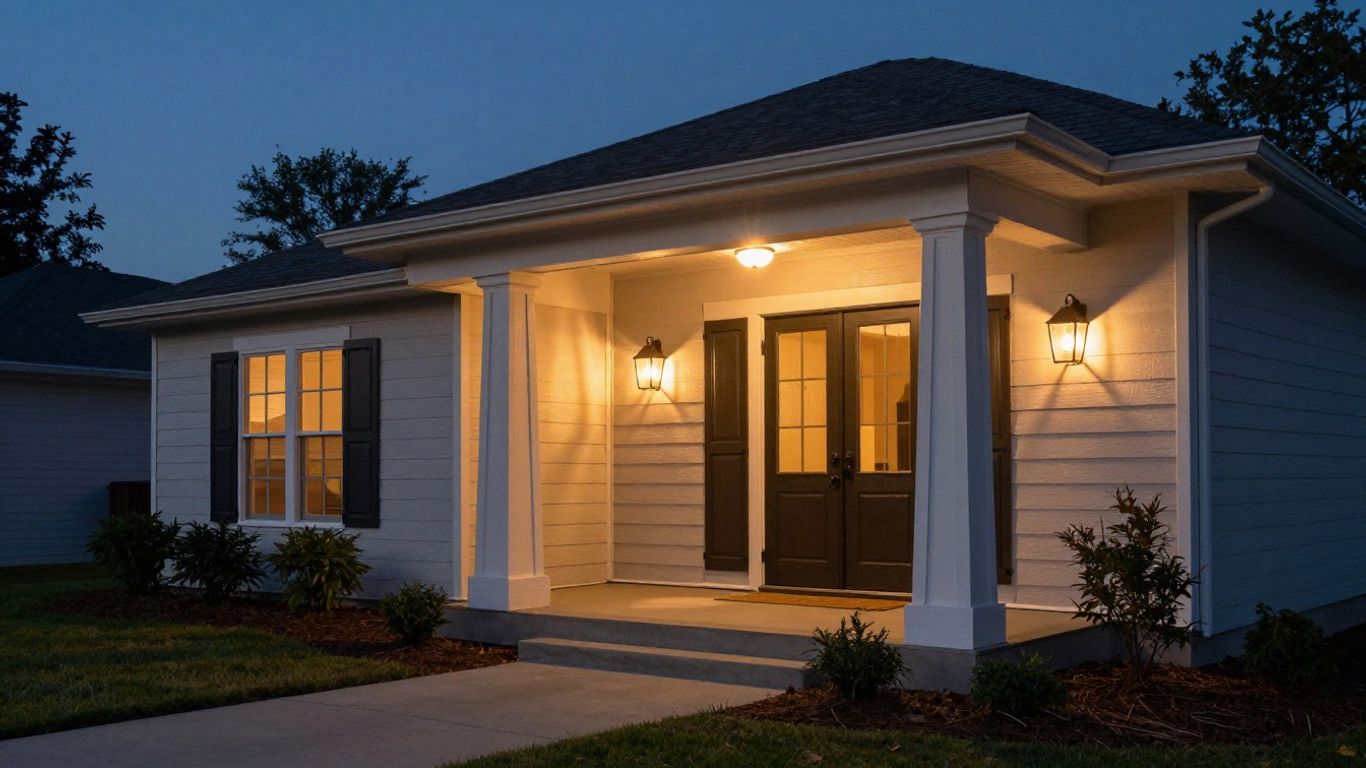
The entryway is where first impressions happen, and what you pick for your porch light does more than just let you find your keys at night. Choosing the right combination of light fixture and bulb affects safety, style, and even your energy bills. Let’s walk through how to select the best options for your front door.
Wall Sconces and Lanterns Explained
Wall sconces and lanterns are two of the most popular choices for illuminating your front door. They aren’t just practical—they set the whole mood as someone walks up to your home. Here’s a quick rundown:
- Wall sconces: Mounted directly on the house, usually on both sides of the door. Best for a balanced and symmetrical look.
- Lanterns: Can hang or be fastened to the wall. Often a bit more decorative, working well for homes with a traditional feel.
- Modern hybrids: Some newer fixtures blend styles and come in LED or smart bulb options for even more control.
The key is matching the fixture’s style and finish to your home, whether you want sleek and minimal or classic and ornate. Choose a finish—like matte black, bronze, or brushed steel—that ties in with your door hardware.
Selecting Damp or Wet Rated Fixtures
Outdoor lights need to handle all sorts of weather. Here’s what to look for:
| Fixture Rating | Suitable Location | Can Handle Direct Rain? |
|---|---|---|
| Damp Rated | Covered porches or patios | No |
| Wet Rated | Open porches, exposed areas | Yes |
- Check the rating before you buy: Wet rated fixtures are essential if rain, snow, or heavy dew could hit the light directly.
- Damp rated lights are fine for areas with a roof or significant cover.
A smart bulb or LED bulb is perfect for both, but make sure the fixture itself is suitable for your porch’s exposure.
Optimising Size and Placement
Getting proportions right matters almost as much as picking the fixture. Lights that are too small look odd; giant ones can take over the entryway.
A few tips:
- For a single light, aim for one that is about one-third the height of your door.
- Two lights (one on each side)? They can be closer to a quarter of your door’s height.
- Always hang lights so the middle of the fixture is roughly 1.5–1.7 metres from the ground, about eye level for most adults.
If you have double doors, don’t be afraid to upsize the fixtures a bit, so nothing looks out of proportion.
Installing proper outdoor lighting isn’t difficult, but it makes day-to-day life a bit nicer. You won’t fumble for your keys in the dark, and your house will feel much more welcoming.
Quick Reminders:
- LED bulbs last longer and use less electricity than traditional bulbs—search for LED light bulbs UK suppliers if you’re in Britain to find the best local options.
- If you want to adjust your lights from afar or set schedules, try a smart bulb. It’s a simple upgrade with a lot of impact.
- Remember regular light bulb replacement, especially if you’re still using anything other than LED bulbs or smart bulbs.
Entryway lights are the first and last thing people notice as they come and go. Take a little time to pick the right one, and you’ll notice the difference every day.
Bright Ideas for Garden and Pathway Illumination
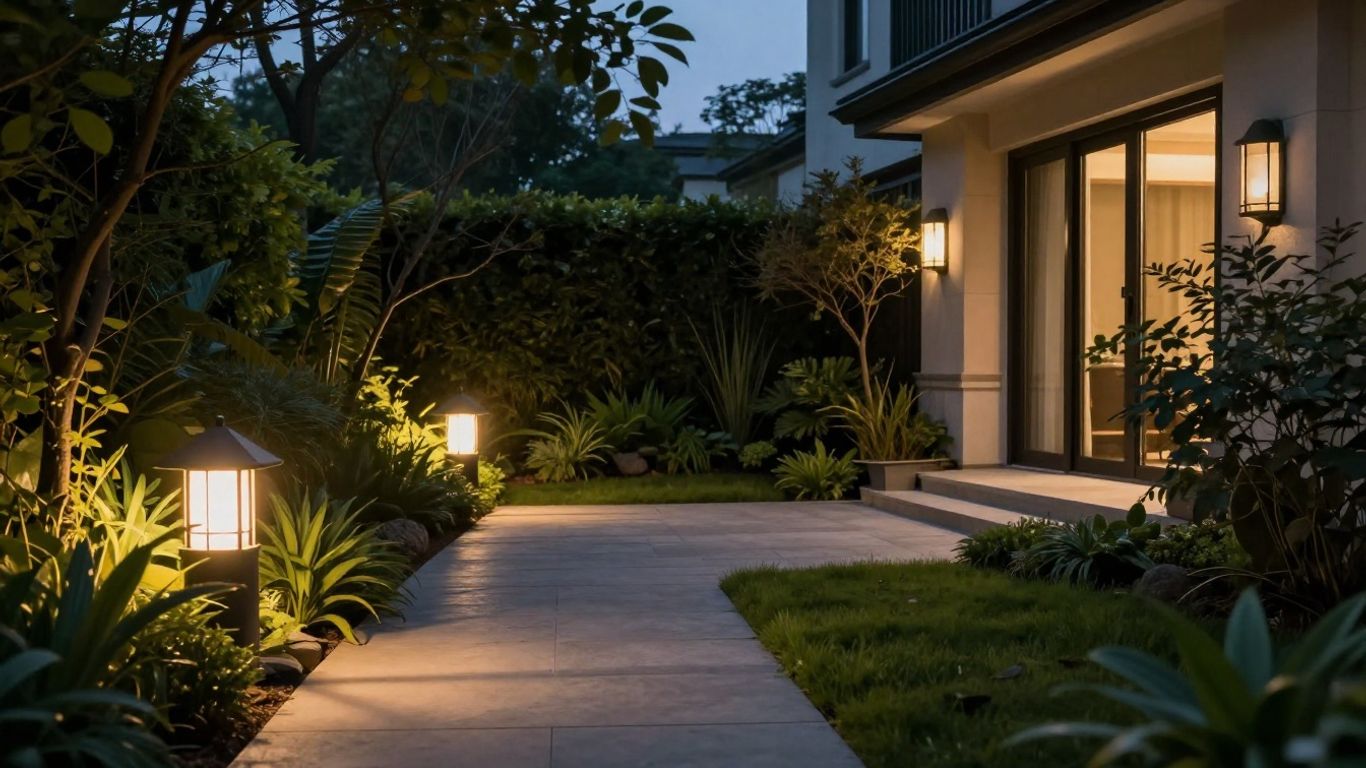
Choosing Stylish Pathway Lights
Pathway lights are often the unsung heroes of your outdoor setup. These are usually smaller lights, often with a stake you push into the ground, designed to line your garden paths, walkways, or even the edges of your driveway. Their main job? To make sure you, your family, and any guests can see where they're going after dark and avoid any nasty trips. They don't need to be blindingly bright, but they should cast enough light to clearly define the path ahead. You'll find them in all sorts of styles, from sleek, modern designs that are barely noticeable during the day to more traditional, decorative ones that add a bit of charm to your garden. When choosing bulbs, a warmer colour temperature, somewhere around 2700K to 3000K, usually feels more inviting and less harsh. The placement of your bollard lights is key. Line them up along a path at regular intervals, ensuring there are no dark patches.
Here’s a quick rundown of what to consider:
- Purpose: Primarily for safety and guidance, ensuring clear visibility of the path.
- Brightness: Sufficient to see the path, but not so bright it causes glare or feels intrusive.
- Style: Choose fixtures that complement your home's exterior and garden aesthetic.
- Bulb Type: LEDs are a great choice for efficiency and longevity. Consider warm white bulbs for a welcoming glow.
Landscape Lighting to Highlight Features
Landscape lighting is all about making your garden and outdoor spaces look good and be functional after dark. It's not just about sticking a few lights in the ground; it's about creating a whole atmosphere. You can use it to highlight specific features, like a particularly nice tree or a garden wall, or just to make your pathways safer to walk on. The key is to think about what you want the lights to do. When you're planning your landscape lighting, consider a layered approach. This means using different types of lights for different purposes. You might have ambient lighting for general illumination, task lighting for specific activities, and accent lighting to draw attention to particular features. It's not just for looks, though; it can also help guide people around your garden paths or highlight steps. The goal here is usually a softer, more ambient light rather than a bright, functional beam. You'll want to think about where to place these so they don't create glare or shine directly into windows. For a touch of rustic elegance, consider farmhouse chandeliers indoors to complement your outdoor aesthetic.
Using Uplights and Downlights Creatively
Uplights and downlights offer versatile ways to add depth and drama to your garden. Uplights, placed at the base of a tree or shrub, cast light upwards, creating dramatic shadows and highlighting the texture of foliage. They can make even the most ordinary plant look spectacular after dark. Downlights, often mounted in trees or on pergolas, cast light downwards, mimicking moonlight and providing a softer, more diffused illumination over seating areas or flower beds. This layered approach, mixing uplights and downlights with pathway and ambient lighting, creates a sophisticated and inviting outdoor environment. It's about creating different moods for different times and uses. You might have bright lights for when you first arrive home, then dim them down for a quiet evening. Using smart bulbs can make this even easier, letting you control everything from your phone.
When selecting pathway lights, think about how they'll look and function throughout the year. Some might be more visible in winter when the garden is bare, so their design matters even when they're not on. Also, consider how easy they are to install and maintain – you don't want a complicated setup that requires a professional for every little thing.
Patio and Deck Lighting Solutions for Every Occasion
Making your patio or deck a usable space after the sun goes down is all about getting the lighting right. It’s not just about being able to see where you’re walking; it’s about creating a vibe, whether that’s for a quiet evening with a book or a lively barbecue with friends. Think about how you actually use your patio – does it need to be bright enough for cooking, or is it more about a soft glow for relaxing?
String Lights for Ambience
String lights are brilliant for adding a bit of sparkle and a festive feel. You can drape them along fences, pergolas, or even trees for a magical glow. They're fantastic for ambient lighting, creating that cosy, inviting atmosphere that makes outdoor spaces feel special. Just remember, if you want them to last a good while, it’s probably best to take them down when the patio season is over, especially if you get harsh weather.
Best Lanterns and Portable Options
Lanterns, whether they're hanging or freestanding, can provide a lovely, diffused light. Look for ones with a warm bulb inside to really set the mood. Portable options, like outdoor table lamps, have become really popular. These are often battery-powered and can be charged via USB, making them super flexible. You can move them around to wherever you need a bit of extra light or a cosy corner.
Blending Task and Decorative Lighting
Getting the best effect often means mixing different types of lighting. You might want some brighter task lighting for areas where you'll be doing things like cooking or dining, perhaps some wall sconces mounted on the house or a garden structure. Then, you can layer in decorative lighting, like those string lights or lanterns, to create that overall welcoming atmosphere. It’s about balancing what you need to see with the mood you want to create.
When picking out bulbs for these areas, consider the colour temperature. For patios, a warm white (around 2700K to 3000K) is usually best for creating that relaxed vibe. You can get these in LED bulbs, which are energy-efficient and last a long time. If you want more control, smart bulbs let you adjust brightness and even colour from your phone, which is handy for setting different moods throughout the evening.
Remember to check if your chosen fixtures are rated for outdoor use. Damp-rated fixtures are fine for covered patios, but if yours is completely open to the elements, you'll need wet-rated ones.
Selecting the Right Bulbs for Outside the House
Selecting bulbs for outdoor lights isn’t just about screwing in whatever you’ve got in the cupboard. It actually makes a big difference, not only for how your garden or entryway looks but for your electricity bills, too. So, before you buy a whole range of fancy outdoor fittings, let’s break down the bulb basics for outside spaces.
LED Bulbs for Energy Efficiency
LED bulbs have become the obvious choice for most outdoor fittings. They use very little energy, last for years (sometimes up to 15 years), and work well in all sorts of weather. You can get them in different shapes and brightness – everything from small candle-style bulbs, to hefty bulbs for big floodlights. Over the long run, LEDs mean fewer ladder trips for light bulb replacement and lower bills.
| Bulb Type | Typical Lifespan | Energy Use (watts) | Colour Range | Upfront Cost |
|---|---|---|---|---|
| LED | 15,000+ hours | 4–12 | Extensive | Moderate |
| Halogen | 2,000 hours | 20–70 | Limited | Lower |
| Incandescent | 1,000 hours | 40–100 | Limited | Very Low |
Key benefits of LED light bulbs (UK):
- Low running costs due to high efficiency
- Little to no heat produced (safer, especially near plants or when touched)
- Loads of shapes available, from classic bulbs to decorative filament styles
If you want bulbs you can forget about for years, LED is the obvious go-to. Swapping out your old bulbs will pay off in less maintenance and lower costs, even if the price per bulb is a tad higher.
Exploring Colour Temperature Options
Outdoor lighting isn’t one-size-fits-all. The colour temperature, marked in Kelvin (K), tells you how warm or cool the light looks. It absolutely changes the mood outside your home.
- Warm White (2700K–3000K): Soft, yellowish light – great for patios, porches, and creating a chilled-out, welcoming feel.
- Cool White (4000K–5000K): Bright white light – best near garages, paths, or security spots where you want clear visibility.
- Daylight (6000K+): Blueish, crisp light – usually only for places where maximum clarity is needed, sometimes a bit harsh around homes.
When you’re looking at bulbs, especially online, check the Kelvin rating. The lower the number, the more yellow and comforting the light; higher numbers mean it’ll look stark – almost clinical in some cases.
Benefits of Smart Bulbs Outdoors
Smart bulbs are catching on fast, even for gardens and entryways. These usually run off LED tech but throw in Wi-Fi or Bluetooth, so you can change colours, set timers, or control them by phone.
Some real perks to using smart bulbs outside:
- Schedule lights to pop on at sunset or before you get home – no faffing around with switches.
- Play with colours for parties, BBQs, or even just to match the plants and flowers in bloom.
- Control the brightness – no more blinding yourself or the neighbours.
Just double-check that any smart bulb you pick is rated for outdoor use (look for ‘damp location’ or ‘weatherproof’ listings). Rain and electrics don’t mix well, so don’t skimp on checking the details when you’re shopping for outdoor light with bulb combos.
There’s no need to overthink it – if you stick to LED bulbs for most fittings and add a few smart bulbs where you want fun or control, you’ll be well set. Just remember to get the right ratings for outdoor use and don’t forget to check the size of the bulbs before clicking “buy”.
Maintaining Your Outdoor Light Fixtures
So, you've gone to all the trouble of picking out the perfect lights, getting them installed, and now your place looks fantastic after dark. Brilliant! But, like anything, they won't stay looking that good or working properly if you just forget about them. Regular upkeep is actually pretty straightforward, and it makes a big difference.
Routine Cleaning and Inspection Tips
Honestly, this is the most important bit. Dust, cobwebs, bird droppings – they all build up and can make your lights look grubby and, worse, actually block the light. A quick wipe-down every few months with a damp cloth (make sure the power is off first, obviously!) is usually enough. While you're at it, give the whole fixture a good look-over. Are there any cracks? Is the glass loose? Is anything looking rusty or corroded, especially if you live near the coast?
- Wipe down glass and frames: Use a soft cloth and mild soapy water if needed. Rinse and dry thoroughly.
- Check for loose fittings: Tighten any screws or bolts that seem wobbly.
- Inspect wiring: Look for any signs of wear or damage to the cables.
- Clear debris: Remove any leaves or twigs that have gathered around the base or top.
Keeping your lights clean isn't just about looks; it ensures they perform as they should. A dirty lens can significantly reduce the amount of light emitted, making your pathways or features dimmer than intended.
Dealing with Weather and Corrosion
Your outdoor lights are going to get rained on, maybe snowed on, and definitely blasted by the sun. You don't want to be replacing them every year, right? Look for fixtures made from sturdy stuff like aluminium or stainless steel. These tend to resist rust and general wear and tear much better than, say, cheap plastic. Also, pay attention to the IP rating – think of it like a shield rating for dust and water. For most places in the UK, you'll want something with a decent rating, like IP65, to handle the rain. If you spot any rust or corrosion, especially on metal parts, it's best to address it promptly. A wire brush can often remove light surface rust, followed by a protective coating. For more severe corrosion, you might need to consider replacing the component or the entire fixture.
If a metal part is badly rusted or a wire looks frayed, it's a safety hazard and needs sorting out. It's always better to replace a damaged fixture than to risk a potential electrical fault or a safety issue.
Replacing Bulbs and Faulty Components
When it comes to bulbs, things are a bit simpler. Most modern exterior lights use LED bulbs these days, which is great because they last ages. But even LEDs don't last forever. If a light stops working, the first thing to check is the bulb. Make sure you get the right replacement – check the fixture for the correct socket type and maximum wattage. If you're going for smart bulbs, you might need to re-pair them after a power outage or if you replace them. Don't forget to check other components too; sometimes a faulty switch or a loose connection can be the culprit, not just the bulb itself.
Keeping your outdoor lights looking good is simple. A quick wipe-down now and then stops dirt and grime from building up. Make sure to check for any loose parts or cracked glass. For more tips on making your garden shine, visit our website.
Wrapping Up
So, there you have it. Making your home look good after dark is really just as important as how it looks in the daylight. Getting the right outdoor lights can make a huge difference, not just for how your place feels, but for safety too. We've gone over a few things, from picking out the right style of lights for your front door and garden paths, to thinking about how bright they should be and what colour temperature works best. Don't forget to keep them clean now and then; it really does help them do their job properly. With a bit of thought, you can make your home look welcoming and feel secure, no matter what time it is.
Frequently Asked Questions
Why should I bother with outdoor lighting for my house?
Having lights outside your home is a bit like giving your place a friendly wave after dark! They make it much safer by lighting up dark corners where people could trip or where unwanted visitors might hide. Plus, they make your home look really inviting and welcoming to anyone arriving, whether it's family or friends.
What are the main types of outdoor lights available?
There's a whole range! You've got wall lights for your front door or garage, pretty lights to make your garden look nice, small path lights to guide your way, and brighter lights for your driveway. Some even have motion sensors that switch on by themselves when they sense movement, which is super handy.
How do I choose the right brightness for my outdoor lights?
It really depends on where the light is going. For garden paths, you want enough light to see clearly without being blinding – think of it as a gentle guide. For security, you'll want something much brighter. And for just making your garden look nice, a softer, more relaxed glow is usually best.
Do I need to think about the weather when buying outdoor lights?
Definitely! You must get lights that are made for the outdoors and can handle rain, wind, and sun. Look for labels like 'wet rated' or 'damp rated' on the packaging. This tells you they're tough enough to last a long time without getting damaged by the weather.
How can I make different outdoor lights look good together?
Think of it like decorating inside your house. You want a mix of lights that work well as a team. For example, you could have stylish lights by your front door, smaller ones along your garden path, and maybe some to highlight a special tree. It's all about creating different levels of light so your home looks interesting and welcoming from every angle.
How often should I clean and check my outdoor lights?
It’s a good idea to give them a quick clean every few months, or whenever they look dusty or dirty. This helps them shine their best. Also, keep an eye out for any broken bits or bulbs that have stopped working, and fix or replace them straight away to keep everything safe and looking good.

