

Brighten Your Workspace: Essential Home Office Light Tips for 2025
Setting up a home office can feel like a big job, right? You've got the desk, the chair, maybe even a fancy plant. But one thing people often forget is the light. It sounds simple, but getting your home office light right makes a massive difference to how you feel and how much you get done. This guide is all about making your workspace brighter, more comfortable, and just generally better to be in, especially with the year 2025 rolling around.
Key Takeaways
- Layering light is a must: Combine ambient, task, and accent lighting for a balanced and comfortable home office light setup.
- Go for LEDs: They save energy, last longer, and give you lots of options for brightness and colour.
- Make it adjustable: Lights with dimming features let you change the mood and brightness to suit your work and the time of day.
- Use natural light wisely: Position your desk near a window to get the benefits of daylight, but use blinds to stop glare.
- Match your style: Choose lighting that looks good and fits with the rest of your home's decor.
Mastering Home Office Light Layers
The Power Of Ambient Illumination
Ambient lighting is your workspace's foundation. It's the general, overall light that fills the room, making it comfortable to be in and safe to move around. Think of it as the base coat of paint before you add the details. Without good ambient light, you'll find yourself squinting, especially in the corners, and relying too much on brighter, more focused lights, which can cause eye strain. A single, harsh overhead light often just creates shadows and glare, which isn't ideal for long work sessions. The goal here is soft, even illumination that makes the whole space feel welcoming and functional.
Essential Task Lighting For Focus
Once you've got your ambient light sorted, it's time to think about task lighting. This is the focused light you need for specific jobs, like reading documents, writing, or working on your computer. Your desk lamp is the star here. It needs to be bright enough to illuminate your immediate work area without causing glare on your screen or papers. The right task lighting can make a huge difference in your ability to concentrate and reduce fatigue. It's all about directing light precisely where you need it, when you need it. Think adjustable arms and heads so you can position the light perfectly.
Adding Accent Lights For Warmth
Finally, we have accent lighting. This layer is more about aesthetics and mood, but it plays a role in comfort too. Accent lights draw attention to specific features in your office, like a favourite piece of art, a bookshelf, or even just a nice architectural detail. They add depth and visual interest to the space, preventing it from feeling flat or sterile. Wall sconces, small spotlights, or even a stylish floor lamp in a corner can serve this purpose. They don't need to be super bright; their job is to add a touch of warmth and personality, making your workspace feel more like a place you want to be.
Harnessing Natural Light For Well-being
Don't underestimate the power of daylight; it's genuinely the most natural and mood-lifting light available. When you're spending hours in your home office, making the most of the sun's rays can really make a difference to how you feel and how much you get done. It's free, it's abundant, and it can completely transform the atmosphere of your workspace.
Strategic Desk Placement Near Windows
Think about where you put your desk. Positioning it perpendicular to a window is often the sweet spot. This way, the light comes from the side, which helps avoid glare on your computer screen if you're facing away from it, or harsh light directly in your eyes if you're facing towards it. It also gives you a nice view to look at during short breaks, which can be a real stress reliever and help refresh your mind.
Managing Sunlight With Blinds And Diffusers
While natural light is great, too much direct sun can be a problem. It can create annoying glare on your screens or cast sharp shadows that make it hard to see. Simple solutions can sort this out. Consider using sheer curtains; they soften the light beautifully without blocking it out completely. Adjustable blinds are also a good shout, letting you control the intensity throughout the day. High-quality window films can also help, especially on south-facing windows, reducing glare and blocking UV rays while still letting you see outside.
The Benefits Of Skylights
If your home office setup allows, a skylight can be a game-changer. Skylights flood a room with natural light from above, creating a really bright and open feel without taking up any wall space. They're particularly useful if you're working in a loft conversion or a room that doesn't have many windows. It's a fantastic way to bring in that daylight, boosting your energy and helping to regulate your body's natural clock, which can lead to better sleep too.
Making the most of natural light isn't just about brightness; it's about working in sync with your body's natural rhythms. This can reduce eye strain, improve alertness, and generally make your working day feel more pleasant and less draining. It's a simple change that pays dividends for both productivity and overall well-being.
Smart Choices For Energy-Efficient Home Office Light
Embracing LED Technology
When it comes to lighting your home office, making smart choices about energy efficiency is a no-brainer. It saves you money on your electricity bills and is better for the planet. The biggest game-changer here is LED technology. Forget those old incandescent bulbs that guzzled power and got ridiculously hot. LED bulbs use a fraction of the energy, last for ages, and come in all sorts of colours and brightness levels. You can find them in pretty much any shop now, from your local hardware store to online retailers, often labelled as 'LED light bulbs UK' or similar. They're a bit pricier upfront than some older types, but the savings over time really add up. Plus, they produce much less heat, which is a bonus if your office space tends to get a bit stuffy.
Utilising Adjustable Brightness Settings
Beyond just the type of bulb, think about how you control the light. Having lights with adjustable brightness, often called dimmable lights, is a fantastic feature. It means you can dial down the light when you're doing something that doesn't need intense illumination, like a video call where you just need to be seen, or crank it up when you're poring over documents. This flexibility is great for adapting to different times of day, your specific task, or even just your mood. It makes the whole space feel more comfortable and less harsh on your eyes. Many modern light fixtures and even individual bulbs now come with this capability, sometimes controlled by a simple dial or a remote.
Automated Lighting With Sensors And Timers
For an even more hands-off approach to energy saving, consider smart lighting systems that use sensors and timers. These are brilliant for making sure lights aren't left on unnecessarily. Motion sensors can detect when you've left the room and switch off the lights automatically. Timers can be set to turn lights on and off at specific times, which can be useful for security as well as saving energy. Smart bulbs can often be controlled via an app on your phone, allowing you to set schedules or turn lights off remotely if you forget. It might sound a bit high-tech, but it's becoming increasingly common and straightforward to set up, making your home office work smarter, not harder, when it comes to lighting.
Optimising Your Desk Lamp For Productivity
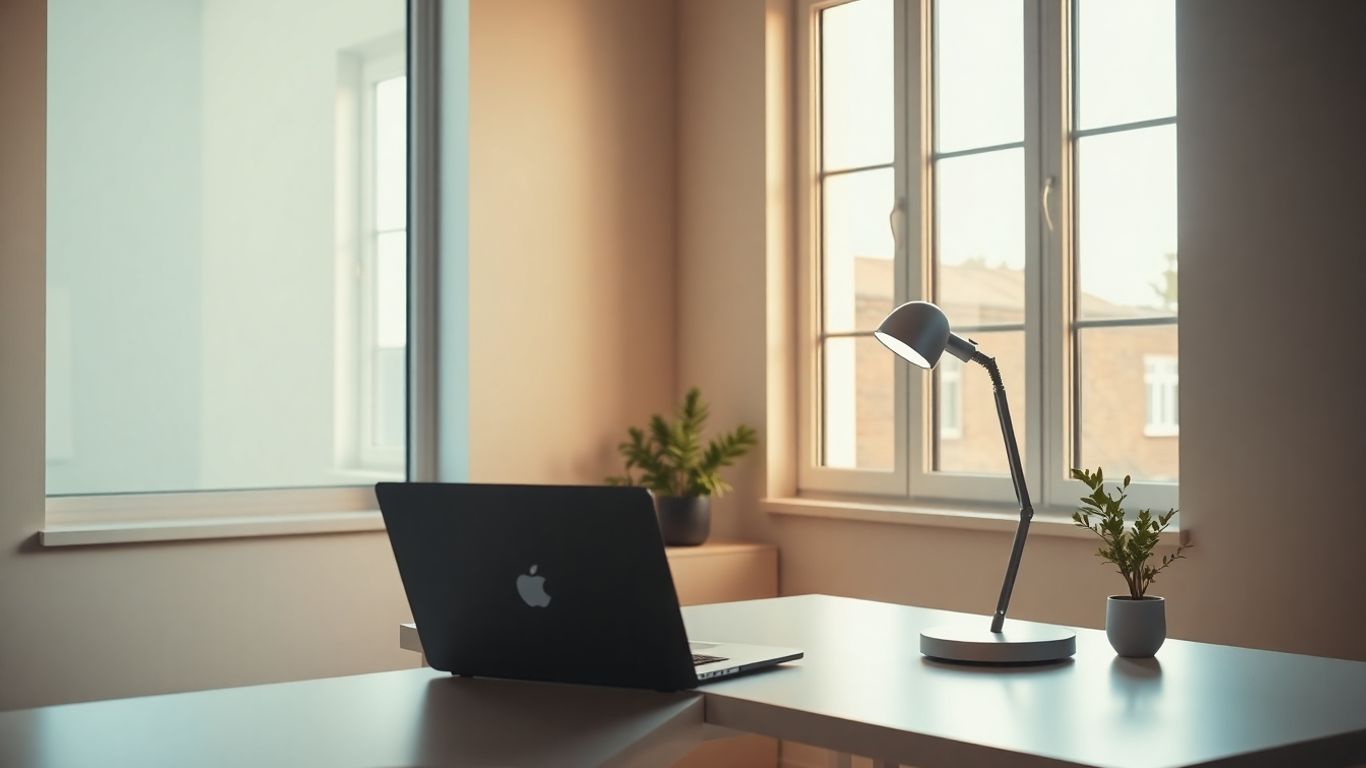
Your desk lamp isn't just about looking good on your desk; it's a workhorse for your productivity. Getting it right means less eye strain and more focus. It's easy to just plonk any old lamp down, but a bit of thought goes a long way.
Correct Lamp Placement To Avoid Glare
This is a big one. Nobody wants to be squinting at their screen because of a nasty reflection. The general rule of thumb is to position your lamp on the side of your desk opposite your dominant hand. So, if you're right-handed, pop it on the left. This way, your hand and any notes you're using won't cast annoying shadows on your work. It also helps prevent direct glare from bouncing off your monitor and into your eyes.
Adjusting Height And Angle For Task Focus
Once you've got the placement sorted, think about height and angle. You want the light to fall directly onto your task – be it a book, a notepad, or your keyboard – without shining straight into your eyes or creating harsh shadows. An adjustable lamp, like one with a flexible arm or a gooseneck, is your best friend here. Aim to have the lamp head about 15 to 36 inches above your work surface. This gives you a good spread of light without being too intense.
Choosing Lamps That Complement Your Decor
While function is key, your desk lamp also contributes to the overall feel of your workspace. You don't want something that clashes with everything else. Think about the style you're going for. Modern, minimalist spaces might suit a sleek LED desk lamp with clean lines. If your office is more traditional or cosy, a lamp with a fabric shade or a classic metal finish could work better. It's about finding a balance between a practical tool and a piece that makes your workspace feel more inviting and personal. After all, you're spending a lot of time here, so it should feel right.
Elevating Your Workspace With Modern Lighting
The Impact Of Monitor Bias Lighting
Ever feel like your eyes are just done after a long day staring at a screen? You're not alone. Staring at a bright monitor against a dark background can really tire out your eyes. That's where monitor bias lighting comes in. It's basically a soft light strip you stick to the back of your monitor. It casts a gentle glow onto the wall behind your screen, reducing that harsh contrast. This makes it much easier on your eyes, especially during those marathon work sessions or late-night deadlines. It's a simple fix, really, but it makes a surprising difference to eye strain. Plus, it can even make the colours on your screen look a bit richer.
Exploring Smart Lighting Systems
Smart lighting is getting pretty clever these days. We're talking about lights you can control with your phone or even your voice. You can set schedules, change colours, and adjust brightness without getting up. Imagine your lights dimming automatically as the sun sets, or brightening up when you start your workday. It's not just about convenience, though. These systems can help with your body's natural sleep-wake cycle, which is a big plus when you're working from home. Setting them up can be a bit fiddly at first, but once it's done, it's pretty cool.
Considering Pendant Light Clusters
If you've got a bit more space or just want to add a real design flair to your office, pendant light clusters are worth a look. Instead of one big light, you have several smaller lights hanging down, often at different heights. They look really stylish and can spread light out more evenly, which is great for larger desks or open-plan areas. You can pick ones that match your decor, whether that's sleek and modern or a bit more industrial. Just be aware that these often need a bit more planning, and sometimes professional installation, to get them looking just right and working safely.
Designing Your Ideal Home Office Light Scheme
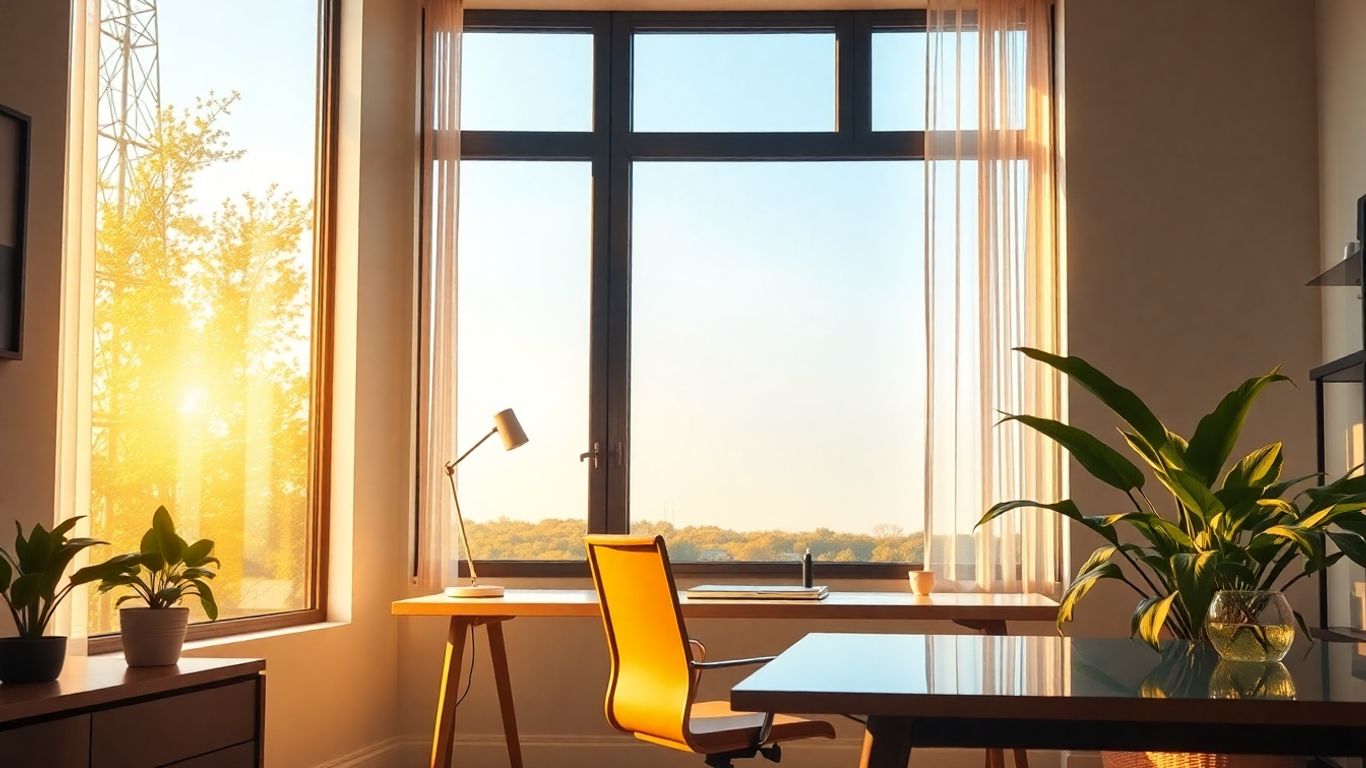
Matching Lighting Style To Your Décor
So, you've got the layers sorted – ambient, task, and accent lights are all working together. Now, let's talk about making your home office look good. It's not just about function, is it? The right lighting can really tie the whole room together, making it feel like a proper part of your home, not just a forgotten corner with a desk. Think about the overall vibe you're going for. Is it sleek and modern, with clean lines and minimalist fixtures? Or perhaps something a bit warmer, more traditional, with cosy lamps and perhaps some wall sconces? Whatever your style, there are plenty of light bulb options, from energy-saving LED bulbs in the UK to decorative smart bulbs, that can fit the bill. Don't just grab any old light with a bulb; consider the finish of the lamp – brushed metal, wood, ceramic – and how it complements your furniture and colour scheme. It’s about creating a space that feels right for you, a place you actually want to spend time in.
Prioritising Flexibility And Adaptability
Life changes, and so should your workspace lighting. What works for intense focus one day might be too bright for a relaxed video call the next. That's where flexibility comes in. Think about lights with adjustable brightness settings – being able to dim or brighten your workspace on demand is a game-changer. Smart lighting systems are brilliant for this, letting you control everything from your phone or even with voice commands. You can set different scenes for different tasks or times of day. Even simple things, like having a desk lamp that you can easily move or adjust the angle of, make a big difference. Consider portable options too; maybe a clip-on light for a shelf or a floor lamp that can be repositioned easily. The goal is to have a lighting setup that can adapt to your changing needs throughout the day and as your work evolves. It’s about having control.
Conducting A Lighting Audit For Your Space
Before you start buying new fixtures, it’s a good idea to take a look at what you’ve already got. This is your lighting audit. Sit at your desk and really pay attention. Where are the dark spots? Is there any annoying glare on your screen, especially from windows? Is the light too harsh in the evenings, or not bright enough for detailed tasks? Make a list of what’s working and what isn’t. You might find that your main overhead light is fine for general illumination, but you desperately need a good task lamp. Or perhaps you have too much direct sunlight coming in, and you need some blinds or diffusers. This audit helps you pinpoint exactly what you need, so you don't waste money on things you don't. It’s a practical step that stops you from just guessing and ensures you’re making smart choices for your specific home office. It’s about being methodical.
A well-planned lighting scheme isn't just about brightness; it's about creating an atmosphere that supports your productivity, well-being, and personal style. By thoughtfully layering different light sources and considering how they interact with your space and décor, you can transform your home office into a truly inspiring and functional environment.
Getting your home office lighting just right can make a big difference to how you feel and work. Think about the different kinds of light you need – maybe a bright light for focused tasks and a softer glow for when you're relaxing. Experimenting with different bulbs and fixtures can help you create a space that's both practical and cosy. For more tips on making your workspace shine, check out our website!
Wrapping Up Your Bright Ideas
So, there you have it. Getting your home office lighting just right doesn't have to be a huge headache. By mixing up your lights – think ambient, task, and maybe a bit of accent – and making the most of that lovely natural light, you can really change how your workspace feels. Plus, going for LEDs is a no-brainer for saving a bit of cash and being kinder to the planet. Remember, a few simple tweaks can make a big difference to how productive and comfortable you feel. Don't be afraid to play around and find what works best for you. Your eyes, and your work, will thank you for it.
Frequently Asked Questions
What's the best way to light up my home office?
Think of lighting like building with blocks! You need a main light for the whole room (that's ambient light), a bright light for your desk work (task light), and maybe a smaller light to make things look nice (accent light). Mixing these makes your office feel just right.
Should I use natural light in my office?
Definitely! Sitting near a window is brilliant. Daylight makes you feel more awake and happier. Just make sure to use blinds or curtains so the sun doesn't shine right on your screen and hurt your eyes.
What kind of bulbs are best for saving energy?
Go for LED bulbs! They use way less electricity than old-fashioned ones, last for ages, and you can get them in all sorts of brightness and colours. They're a smart choice for your wallet and the planet.
How do I stop my desk lamp from making glare?
The trick is placement. Put your lamp on the opposite side of your writing hand so your own shadow doesn't get in the way. Make sure the light shines on your desk, not straight into your eyes or onto your computer screen.
What is 'monitor bias lighting'?
It's a soft light placed behind your computer screen. It helps your eyes by making the contrast between your bright screen and the darker room less harsh. It can make long hours in front of the computer much more comfortable.
How can I make my office lighting match my style?
Just like picking furniture, choose lights that look good with the rest of your room. Whether you like things modern and sleek or cosy and traditional, there are lamps and fixtures to suit every taste. Your office should feel like *your* space!

