

Can I Replace Halogen with LED? Your Guide to the Switch
So, you've probably noticed those old halogen bulbs in your house. They've been around forever, right? But things are changing, and everyone's talking about LED bulbs. You might be wondering, can you replace halogen bulbs with LED? It seems like a good idea, saving money and all that. But then you start thinking about the fittings, the dimmers, and whether it's actually going to work. Well, don't worry, we're going to break it all down for you. This guide is here to help you figure out if you can swap out those old halogens for some shiny new LEDs without any hassle.
Key Takeaways
- Yes, you can replace halogen bulbs with LED bulbs in most UK homes.
- LEDs use much less energy than halogens, saving you money on electricity bills.
- Check the bulb fitting (like GU10 or MR16) and consider if your dimmer switch is compatible.
- LEDs last a lot longer than halogens, meaning fewer replacements and less waste.
- For complex setups or if you're unsure, it's best to get a qualified electrician involved.
Understanding Why You Can Replace Halogen With LED
Right then, let's get stuck into the nitty-gritty of swapping out those old halogen bulbs for something a bit more modern and, frankly, sensible: LEDs. It might sound like a faff, but honestly, it's one of those home improvements that actually makes a difference without you having to be an electrician. You've probably noticed those old halogen bulbs in your house. They've been around forever, haven't they? But things are changing, and everyone's talking about LED bulbs. You might be wondering, can you replace halogen bulbs with LED? It seems like a good idea, saving money and all that. But then you start thinking about the fittings, the dimmers, and whether it's actually going to work. Well, don't worry, we're going to break it all down for you.
The Environmental and Financial Benefits of LEDs
First things first: Why should you switch from halogen to LED at all? The reasons are compelling – starting with cost savings. LEDs are significantly more energy-efficient, using about 75% less electricity than halogen bulbs. This not only reduces your electricity bill but also benefits the environment. The more bulbs you replace with LEDs, the greater your savings. Unlike older bulb types, LEDs contain no harmful substances like mercury, making them safer for the environment and easier to dispose of responsibly.
Longevity and Durability Compared to Halogen
Think of halogen bulbs as the old-school way of doing things. They work by heating a tiny filament until it glows, which, as you can imagine, uses a fair bit of energy and gets pretty hot. LEDs, on the other hand, are a completely different kettle of fish. They use semiconductors to produce light, which is way more efficient. This means they use significantly less electricity to produce the same amount of light, and they don't get dangerously hot. Plus, they last ages. We're talking thousands of hours longer than a typical halogen bulb. This means fewer trips to the shop for replacements and less waste overall.
Energy Efficiency: A Key Reason to Switch
Here's a quick rundown of why LEDs are the clear winner when it comes to energy use:
- Energy Use: LEDs can use up to 80% less energy than halogens. That's a big chunk off your electricity bill.
- Heat Output: Halogen bulbs get very hot, wasting energy as heat. LEDs produce very little heat, meaning more energy goes into producing light.
- Lifespan: While not directly energy efficiency, the long life of LEDs means you're not constantly manufacturing and disposing of old bulbs, which has its own environmental footprint.
So, while the initial cost of an LED bulb might be a bit more than a halogen, the savings on your energy bills and the reduced need for replacements quickly make up for it. It's a win-win for your wallet and the planet.
Making The Switch: Practical Steps For Replacing Halogen Bulbs
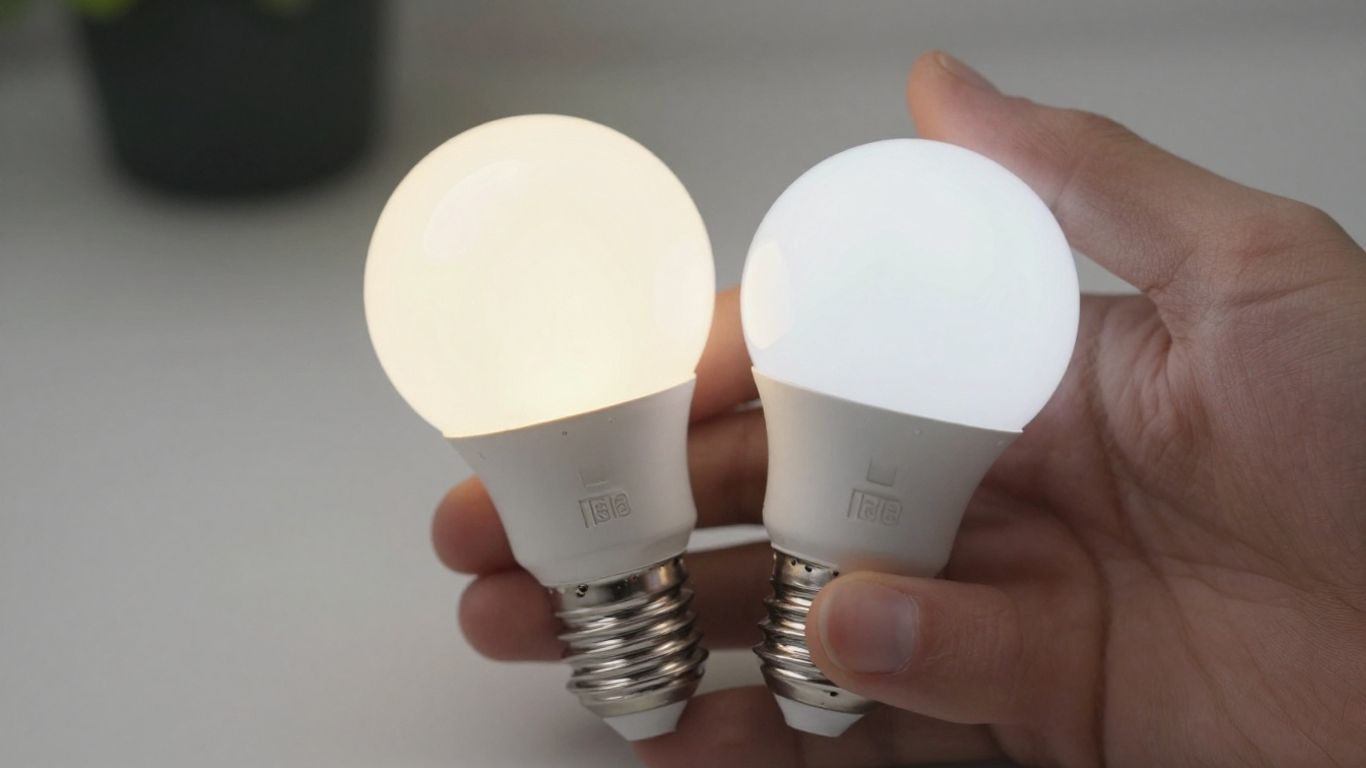
So, you've decided to ditch the old halogen bulbs for some snazzy new LEDs. Good move! But before you start unscrewing everything, let's talk about how to actually do it without causing a blackout or, worse, a minor electrical incident. It's usually pretty straightforward, but there are a few things to keep in mind.
Matching Bulb Fittings and Bases
This is probably the most important bit. You can't just shove any old LED bulb into a fitting designed for a halogen. They come in all sorts of shapes and sizes, and the base – that's the bit that screws or pushes into the light socket – needs to match. Most halogen bulbs have a specific base type, often printed right on the glass or the metal part. You'll see things like GU10 (those twist-and-lock ones) or MR16 (the ones with two pins, often used in spotlights). Your new LED bulb needs to have the exact same base type. If you're unsure, the best trick is to take the old halogen bulb with you to the shop. It's like taking a sample to the paint counter, but for light bulbs.
Here's a quick look at common types:
| Halogen Type | Common LED Replacement Base |
|---|---|
| GU10 | GU10 |
| MR16 | MR16 |
| Bayonet (B22) | B22 |
| Screw (E27) | E27 |
Assessing Your Existing Lighting Fixtures
Now, think about the light fitting itself. Most modern fittings will be perfectly happy with an LED bulb. However, some older or more specialised fixtures might need a bit more thought. For instance, if you have low-voltage spotlights (often the MR16 type), they usually connect to a transformer. These transformers step down the mains electricity to a lower voltage that the bulb needs. Older halogen transformers might not be compatible with the way LEDs work, as LEDs use much less power. You might find the light flickers or doesn't work at all. In these cases, you might need to swap the old transformer for a new one specifically designed for LEDs. Conventional transformers are usually fine, but the electronic ones can be a bit fussy.
If your halogen bulbs are the kind that get really hot, like those little spotlight bulbs, remember that LEDs run much cooler. This is a good thing for safety, but it also means you might be able to use LED bulbs in fittings that were previously considered too enclosed for hot halogen bulbs. Always check the bulb's specifications, though.
Simple Bulb Replacement: What To Expect
For most standard light fittings, like those in your living room or kitchen ceiling lights, swapping a halogen for an LED is as simple as changing a regular light bulb. You just need to make sure you've got the right base type, as we discussed. Turn off the power at the switch (or even better, the fuse box if you're feeling extra cautious), unscrew the old halogen bulb, and screw in the new LED. Give it a moment, turn the power back on, and voilà! You should have light. If you're replacing a bulb in a fixture where the bulb is hard to reach, or if you're dealing with anything that looks a bit complicated, it might be worth getting a second opinion or calling in an electrician. Safety first, always.
Navigating Compatibility: Dimmers and Transformers
Right then, let's talk about the fiddly bits when you're swapping out those old halogen bulbs for shiny new LEDs. It's not always as simple as just screwing in a new bulb, especially if you've got dimmer switches or those little transformers lurking about.
Ensuring Your Dimmer Switches Work With LEDs
If you like to dim your lights – and who doesn't sometimes? – you need to make sure you buy dimmable LED bulbs. They're clearly marked on the packaging, so have a good look before you buy. If you put a non-dimmable LED bulb on a dimmer switch, you'll likely get a horrible flickering effect, or it might not work at all. It's a bit like trying to use a square peg in a round hole, really.
Some older dimmer switches just aren't designed to work with the low power draw of LEDs, even if the bulb itself is dimmable. If you find your new dimmable LEDs are still flickering, it's a strong sign that your dimmer switch itself needs an upgrade to an LED-compatible model. You might need to look for switches specifically designed for LED use, as they handle the lower wattage much better.
Understanding Transformer Requirements for Spotlights
This is where things can get a bit more technical, particularly with spotlights. If you're dealing with low-voltage spotlights (like MR16s), they often have a transformer to step down the voltage from your mains supply. Some older transformers aren't designed to work with the low power draw of LEDs and can cause flickering or prevent the bulb from lighting up.
- GU10 fittings: These are the ones with the two chunky pins that twist and lock into place. When you're swapping halogen GU10s for LED GU10s, you usually only need to worry about the dimmer switch itself. Most of the time, you can just replace the bulb, but if you have dimming issues, the dimmer module behind the switch might be the culprit.
- MR16 fittings: These are the 12-volt spotlights with two thin pins. They're a bit more complicated because they connect to a transformer, often hidden away in the ceiling void. Halogen MR16s need a certain amount of power to run, and older transformers might not provide enough for LEDs, which are much more energy-efficient. This can cause problems like flickering or a reduced lifespan for your new LED bulbs. You might need to swap the old transformer for one specifically designed for LEDs.
- Conventional vs. Electronic Transformers: Conventional transformers usually work fine with LEDs. However, older electronic halogen transformers often aren't compatible, so you may need to switch to an LED-compatible transformer.
Troubleshooting Common Dimming Issues
So, you've swapped out those old halogen bulbs for shiny new LEDs, and everything should be rosy, right? Well, sometimes things don't go quite to plan. Don't panic if you run into a snag; most common problems have pretty straightforward fixes. It's usually just a case of a little detective work.
- Flickering Lights: This is the most frequent culprit for flickering. An incompatible dimmer switch is often the cause. Older dimmer switches weren't designed for the way LEDs work. If you have a dimmer, make sure the LED bulb you bought is specifically labelled as 'dimmable' and that your dimmer switch itself is LED-compatible. You might need to upgrade the dimmer switch if it's too old.
- Bulbs Not Lighting Up: It sounds simple, but sometimes a bulb just isn't seated correctly in its fitting. Turn off the power at the mains, and gently but firmly push the LED bulb fully into its socket. Give it a little wiggle to make sure it's snug. If that doesn't work, try swapping it with a known working LED from another fixture. If the problem follows the bulb, the bulb itself might be faulty. If the problem stays with the fixture, the issue might be with the fixture or the wiring.
- Buzzing Sounds: Similar to flickering, buzzing can also indicate an incompatibility between the LED bulb and the dimmer switch or transformer. An LED-specific dimmer or transformer might be needed.
If you've tried a couple of different LED bulbs and are still experiencing issues like flickering, buzzing, or the lights not turning on, it's a strong sign that there's an incompatibility with your existing dimmer switch or potentially the transformer in your light fitting. Don't keep trying different bulbs; it's time to look at the switch or transformer itself.
Choosing The Right LED Bulb For Your Needs
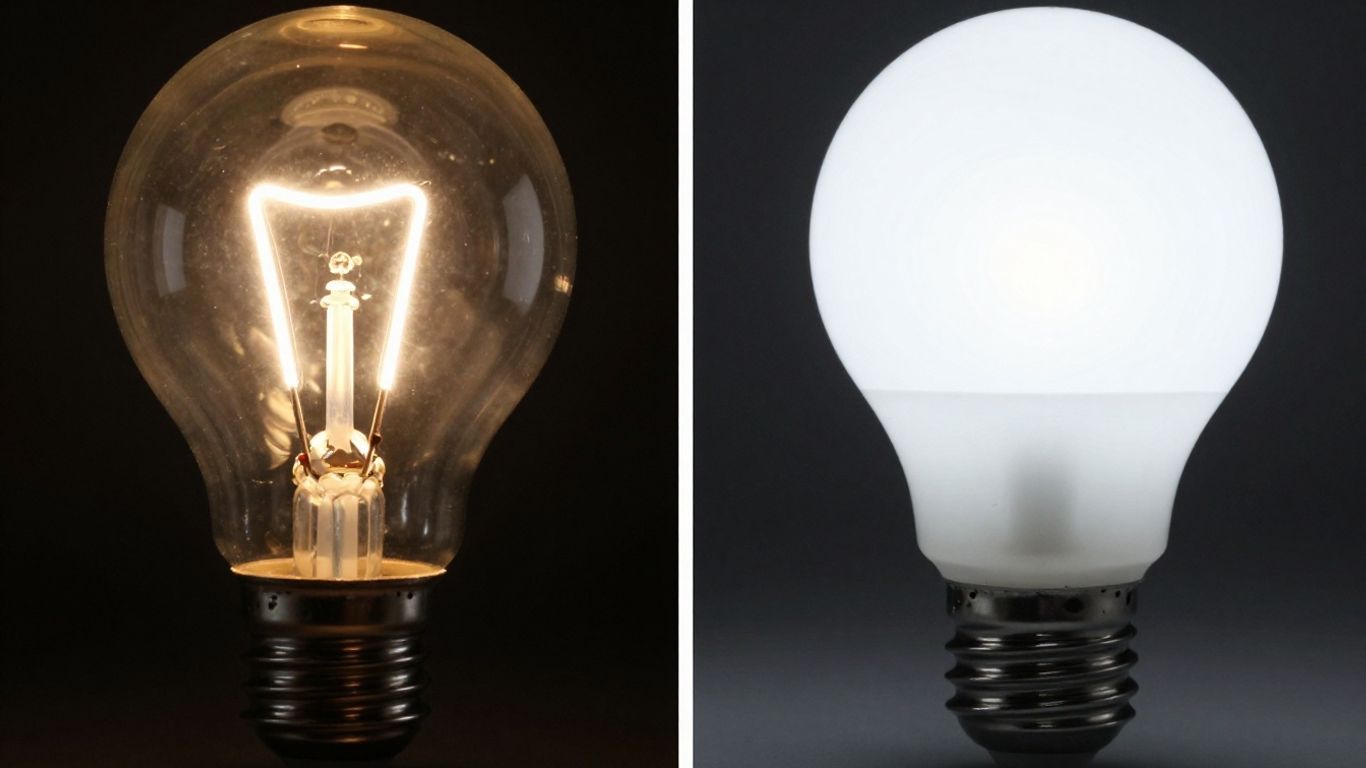
So, you've decided to make the switch to LEDs, which is brilliant! But now you're faced with a wall of options. It's not just about grabbing any old bulb; getting the right one makes a real difference to your home's atmosphere and your wallet. Let's break down what you need to look for.
Selecting Brightness: Lumens Over Watts
For years, we've all looked at watts to gauge how bright a bulb is. But here's the thing: watts actually measure how much energy a bulb uses, not how much light it throws out. The real measure of brightness is lumens. The higher the lumen count, the brighter the light. So, if you're after a cosy vibe in your living room, you'll want fewer lumens. For a kitchen or a home office where you need to see clearly, aim for a higher lumen count. The good news is that with modern LED bulbs, you can get a really bright light without using a ton of electricity. It's a bit of a learning curve, but once you get it, it makes choosing so much easier.
Here's a quick comparison to give you an idea:
| Bulb Type | Typical Brightness (Lumens) | Typical Energy Use (Watts) |
|---|---|---|
| Incandescent | 800 | 60 |
| Halogen | 800 | 43 |
| CFL | 800 | 15 |
| LED | 800 | 9 |
Understanding Colour Temperature: Warm vs. Cool Light
This is all about the 'feel' of the light, and it's measured in Kelvin (K). It can really change how a room feels, so don't underestimate its impact on your mood and the overall atmosphere. Think of it like this:
- Warm White (2700K - 3000K): This is like the cosy glow of a traditional incandescent bulb. It's great for living rooms, bedrooms, and anywhere you want to relax. It makes things feel inviting and comfortable.
- Cool White (3500K - 4100K): This light is a bit more neutral and can make colours appear more vibrant. It's a good choice for kitchens, bathrooms, and workspaces where you need good visibility without a yellowish tint.
- Daylight (5000K - 6500K): This is the closest to natural sunlight. It's very bright and can help with focus, making it ideal for home offices, garages, or areas where you need to see fine details.
Picking the right colour temperature is key to creating the desired ambiance in each room. What works for a relaxing bedroom might be too dim for a functional kitchen.
Identifying The Correct Bulb Base Type
Right then, let's talk about how light bulbs actually connect to your lamps and ceiling fixtures. It might seem a bit technical, but honestly, it's pretty straightforward once you know what you're looking for. Getting the right fitting is key – you don't want a bulb that's loose or, worse, doesn't fit at all. It's not just about looks; it's about making sure the bulb is secure and works as it should.
This is the most important bit, really. You need to make sure the new LED bulb you buy actually fits into your existing light socket. It's not like they're all one-size-fits-all, unfortunately. The easiest way to check is to take a look at the old bulb you're replacing. Most of the time, the fitting type will be printed on the bulb itself, or you can just look at the base where it screws or pushes in.
Here are the common ones you'll find in UK homes:
- Bayonet Cap (BC): The most common type in the UK, with two pins that twist into the socket. Often labelled B22.
- Small Bayonet Cap (SBC): Similar to BC but smaller, usually found in smaller lamps. Often labelled B15.
- Screw Caps (Edison Screw): These screw into the socket. The most common is the ES (E27), but you'll also find SES (E14) for smaller fittings.
- Pin Fittings (e.g., GU10, MR16): These are common for spotlights and downlights. They have pins that push into a socket. GU10s have a twist-and-lock mechanism, while MR16s usually just push in.
When To Call In The Professionals
So, you've swapped out those old halogen bulbs for shiny new LEDs, and everything should be working perfectly, right? Well, sometimes things don't go quite to plan. Don't panic if you run into a snag; most common problems have pretty straightforward fixes. It's usually just a case of a little detective work.
Identifying Complex Electrical Setups
If you've tried a couple of different LED bulbs and are still experiencing issues like flickering, buzzing, or the lights not turning on, it's a strong sign that there's an incompatibility with your existing dimmer switch or potentially the transformer in your light fitting. Older dimmer switches weren't designed for the way LEDs work, and they can cause all sorts of problems. If you have a dimmer, make sure the LED bulb you bought is specifically labelled as 'dimmable' and that your dimmer switch itself is LED-compatible. You might need to upgrade the dimmer switch if it's too old. Also, if you're dealing with low-voltage spotlights (like MR16s), they often have a transformer to step down the voltage. Some older transformers aren't designed to work with the low power draw of LEDs and can cause flickering or prevent the bulb from lighting up. You might need to replace the transformer with an LED-compatible one.
Ensuring Safety and Compliance
Trying to mess with transformers or dimmer modules yourself can be a bit risky if you're not sure what you're doing. It's easy to get the wiring wrong, and that could lead to electrical faults or even a fire hazard. Plus, if you damage anything, you're on your own. A qualified electrician can safely test your wiring, check the compatibility of your switches and transformers, and replace any components that aren't suitable for LED bulbs. They'll make sure everything is up to current UK safety standards and can even advise on the best LED-compatible components for your home.
Professional Advice For Tricky Installations
Honestly, if you're not comfortable with electrics, or if you've got MR16 fittings, it's probably best to call in a qualified electrician. They know exactly what they're doing and can make sure everything is wired up correctly and safely. They can check if your existing dimmer switch is compatible, swap out transformers if needed, and even replace the whole fitting if it's not suitable for LEDs. It might cost a bit upfront, but it's much safer than risking damage or a fire, and they'll often provide a certificate to show the work meets UK safety standards. It's a small price to pay for peace of mind, especially when you consider how much you'll save on your electricity bills in the long run.
Here's a quick rundown of when to get an electrician involved:
- Persistent flickering or buzzing that you can't resolve.
- Bulbs that simply won't light up after checking the fitting and trying a different bulb.
- If you suspect your dimmer switch or transformer is the issue and you're not comfortable replacing it yourself.
- Any time you feel unsure or unsafe working with the electrical fittings.
If you're unsure about a tricky repair or a job that seems too big, it's always best to get help from the experts. Don't risk making things worse! For reliable solutions and peace of mind, check out our website for more information and to find the right professionals for your needs.
So, Should You Make the Switch?
Right then, after all that chat, the short answer is a pretty definite yes, you can swap your old halogen bulbs for LEDs in your UK home. It's not just a good idea, it's practically a must these days, especially with the savings you'll see on your electricity bill. We're talking about using way less energy, which is good for your wallet and the planet. Just remember to check if your bulbs need to be dimmable and, if you're unsure about anything, especially with dimmer switches or tricky fittings like MR16s, it's always best to get a qualified electrician in. They'll make sure it's all done safely and correctly. So, go on, make the switch – your home and your bank account will thank you for it.
Frequently Asked Questions
Can I simply swap my old halogen bulbs for new LED ones?
In most cases, yes! It's usually as easy as unscrewing the old halogen bulb and screwing in a new LED one, especially if they have the same fitting. However, if you have a dimmer switch, make sure you buy LED bulbs that are marked as 'dimmable'. Sometimes, older dimmer switches don't get along with LEDs, which can make them flicker. It's often a good idea to try just one new LED bulb first to see how it behaves before changing all of them.
Will my LED bulbs work with my dimmer switches?
It really depends. Some LED bulbs are designed to be dimmable, but not all of them are. If you have a dimmer switch, you absolutely must pick up 'dimmable' LED bulbs. Even then, older dimmer switches might still cause issues, leading to flickering or improper dimming. If this happens, you might need to swap your old dimmer for one that's compatible with LEDs. In trickier situations, especially with spotlights, an electrician might need to check the wiring or the transformer.
How do I choose the right LED bulb for my needs?
When you're choosing an LED bulb, forget about watts for brightness – that's an old way of thinking. Instead, look at 'lumens'. The more lumens a bulb has, the brighter the light will be. Also, consider the 'colour temperature'. 'Warm white' gives a cosy, traditional feel, while 'cool white' is brighter and more modern, which is great for kitchens or bathrooms. And don't forget to check the bulb base type (like GU10 or E27) to make sure it fits your light fitting.
Are LED bulbs actually cheaper to run?
Definitely! LEDs use much less electricity compared to halogen bulbs – we're talking up to 80% less. This means your electricity bills will be noticeably lower. On top of that, LED bulbs last a whole lot longer, so you won't be buying new ones nearly as often. It's a win-win situation for both your wallet and the environment.
What's the difference between lumens and watts?
Watts used to tell us how bright a bulb was, but that's mainly about how much energy it used. Now, with LEDs being so efficient, we use 'lumens' to measure brightness. A higher lumen count means a brighter light. So, when you're comparing bulbs, look at the lumens to see how bright they'll be, and the watts to see how much electricity they'll use.
Do I need to worry about transformers when switching to LED spotlights?
Yes, this is an important point for spotlights, especially those using MR16 fittings. Halogen spotlights often need a specific type of transformer. Older transformers might not work correctly with the lower power needs of LED bulbs, leading to problems like flickering or the bulbs not lasting as long. You might need to replace your old transformer with one that's specifically designed to work with LEDs. It's worth checking this before you buy your new bulbs.

