

Choosing the Right Light Bulb: A Comprehensive Guide for UK Homes
Choosing the right light bulb for your home can feel a bit overwhelming with all the options out there. It's not just about screwing in a bulb and flicking a switch; there's actually quite a bit to consider. From the type of fitting in your lamp to how bright you want the room to be, and even the colour of the light, it all plays a part in making your home feel just right. This guide will help you sort through the choices so you can pick the perfect light bulb for every spot in your house.
Key Takeaways
- Make sure the bulb's cap fitting matches your light fixture – B22 and E27 are common in the UK.
- LED bulbs are the most energy-efficient and last the longest, saving you money and helping the environment.
- Brightness is measured in lumens; pick a higher lumen count for brighter light.
- Colour temperature (Kelvin) affects the mood – warm white for cosy areas, cool white for tasks.
- Consider smart bulbs for features like remote control, scheduling, and voice commands.
Understanding Light Bulb Fittings And Shapes
Right then, let's get down to the nitty-gritty of light bulbs. Before you even think about brightness or colour, you've got to make sure the bulb actually fits your lamp or light fixture. It sounds obvious, but honestly, it's where a lot of people get tripped up. It's like trying to put a square peg in a round hole, isn't it? You'll find most UK homes use one of two main types of fittings, but there are a few others lurking about too.
Matching Cap Fittings To Your Fixtures
This is the most important bit. You can't just grab any old bulb off the shelf. You need to know what kind of socket you're dealing with. Most of the time, it's a simple case of looking at the old bulb you're replacing or checking the fixture itself. If you're ever unsure, taking a photo on your phone can be a lifesaver when you're at the shop.
Exploring Common Bulb Cap Types
Here's a quick rundown of the most common cap types you'll come across:
- B22 (Bayonet Cap): This is probably the most common in the UK. You'll recognise it by the two little pins on the side. You just push it in and give it a twist to lock it. Easy peasy.
- E27 (Edison Screw): This one's got a screw-in base, like a big screw. You just twist it in until it's snug. It's pretty standard across Europe and often found in table lamps or more modern fixtures.
- GU10: You see these a lot in spotlights, especially the ones recessed into ceilings. They have two pins and a twist-and-lock mechanism, similar to the bayonet but usually a bit more robust for directional lighting.
- E14 (Small Edison Screw or SES): Think of this as the little brother of the E27. It's a smaller screw fitting, often used in smaller lamps, chandeliers, or decorative lights where a full-sized bulb would look out of place.
The Impact Of Bulb Shape On Light Distribution
Once you've got the fitting sorted, the shape of the bulb itself matters too. It's not just about looks, though some shapes are definitely more stylish than others! The shape influences how the light spreads out.
- GLS (General Lighting Service): This is your classic, everyday bulb shape, often like a pear. It's designed to spread light fairly evenly, making it good for general room illumination.
- Candle/Flame Tip: These are shaped like a candle flame and are great for adding a bit of decorative flair, especially in wall lights or chandeliers where the bulb is visible.
- Globe: As the name suggests, these are round. They look good when they're on display and provide a nice, diffused light.
- Reflector/Spotlights: These are designed to direct light in a specific direction, making them ideal for highlighting artwork or providing task lighting where you need a focused beam.
Getting the fitting and shape right from the start saves you a lot of hassle. It means the bulb will work safely and effectively, and you'll get the kind of light you actually want in that particular spot.
Exploring Different Types Of Light Bulbs
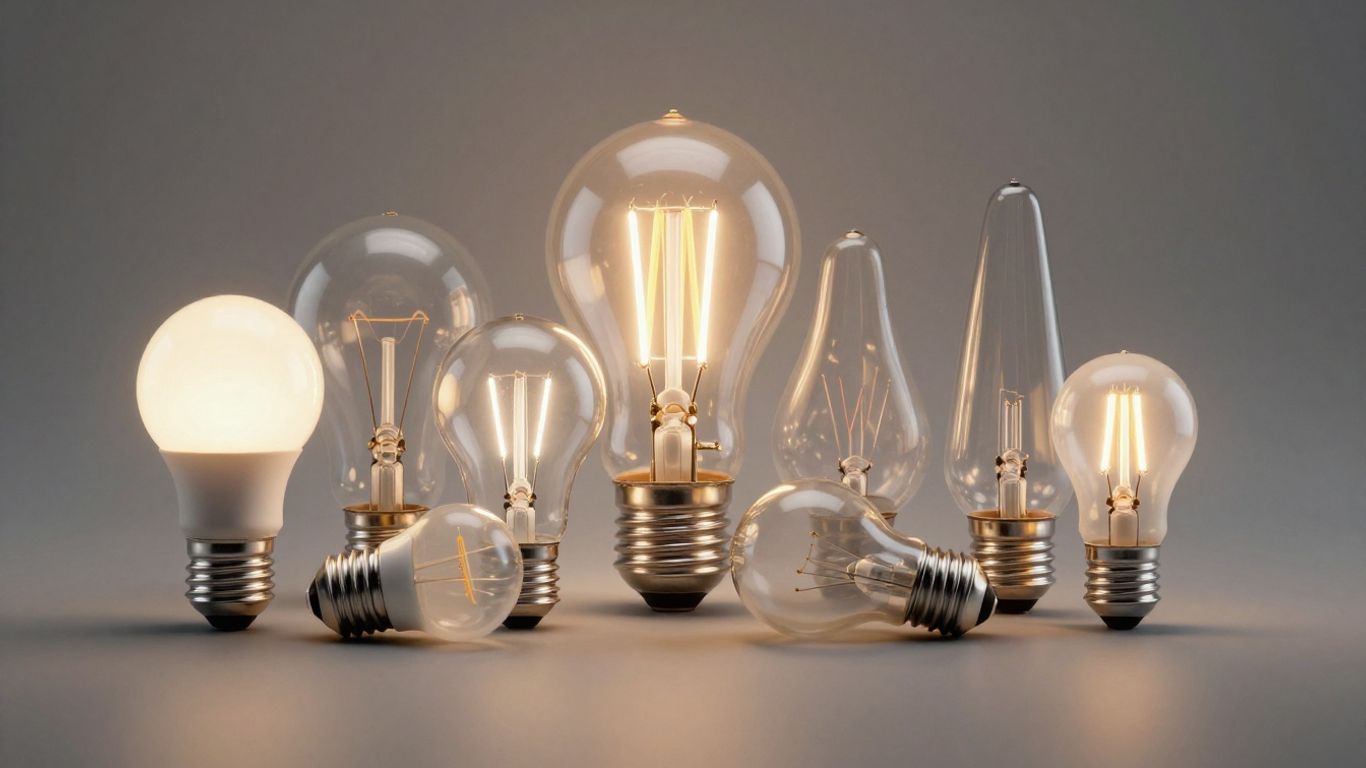
Right then, let's talk about the actual bulbs themselves. It feels like just yesterday we were all swapping out the old ones for those twisty fluorescent ones, remember? Now there's even more to think about. It can feel a bit much, but honestly, understanding the main players makes picking the right one much simpler.
LED Bulbs: The Modern Energy-Saving Choice
These are pretty much the go-to these days, and for good reason. LED (Light Emitting Diode) bulbs are super efficient. They use way less electricity than older types, which is brilliant for your bills and the planet. Plus, they last for ages – we're talking thousands of hours, so you won't be up a ladder changing them every few months. They come in all sorts of shapes and sizes now, so you can usually find an LED version to replace pretty much any old bulb you have, from your main ceiling lights to those little ones in your cooker hood.
- Massive energy savings: Often use up to 80% less power than traditional bulbs.
- Incredible lifespan: Can easily last 15-25 years with average use.
- Instant brightness: No more waiting for them to warm up.
- Durable: Less likely to break if dropped compared to glass bulbs.
LEDs are a bit more expensive to buy upfront, but they really do pay for themselves over time with the energy and replacement costs you save. It's a bit like buying a more expensive, but much more reliable, tool.
Halogen Bulbs: A Brighter, Less Efficient Option
Halogen bulbs are a bit like the upgraded version of the old incandescent ones. They give off a really bright, crisp light, which is why you often see them used in spotlights or places where you need a strong beam of light. They do switch on instantly, which is handy. However, they're not nearly as good on the energy front as LEDs. They also don't last as long, and they get quite hot when they're on, which is something to be mindful of, especially if you have them in enclosed fixtures.
- Good light quality: Often preferred for their bright, clear light.
- Dimmable: Most halogen bulbs work well with dimmer switches.
- Lower upfront cost: Generally cheaper to buy than LED bulbs.
Compact Fluorescent Lamps (CFLs): A Step Towards Efficiency
Remember these? The ones that looked like mini-tubes twisted into a bulb shape. CFLs were a big step up from the old incandescent bulbs when they first came out. They use much less energy and last a good while longer, though not as long as LEDs. One thing to remember with CFLs is that they can take a few seconds to reach their full brightness, so they might not be the best choice for areas where you need instant light. Also, and this is important, they contain a small amount of mercury, so you need to be careful when disposing of them – you can't just chuck them in the regular bin.
- Better energy use: Use around 75% less energy than old-style bulbs.
- Decent lifespan: Typically last up to 10,000 hours.
- Variety of colours: Available in different shades of white light.
Incandescent Bulbs: The Traditional Warm Glow
These are the classic bulbs, the ones that have been around forever. They give off that lovely, warm, yellowish light that many people find really cosy and inviting. They work by heating up a tiny wire filament until it glows. The big downside? They're incredibly inefficient. Most of the energy they use just turns into heat, not light. Because of this, they use a lot more electricity and don't last very long at all. While they're cheap to buy, you'll likely spend more on your electricity bill and replacements over time. You'll find these are becoming harder to buy new in the UK due to energy regulations.
Key Factors For Choosing The Right Light Bulb
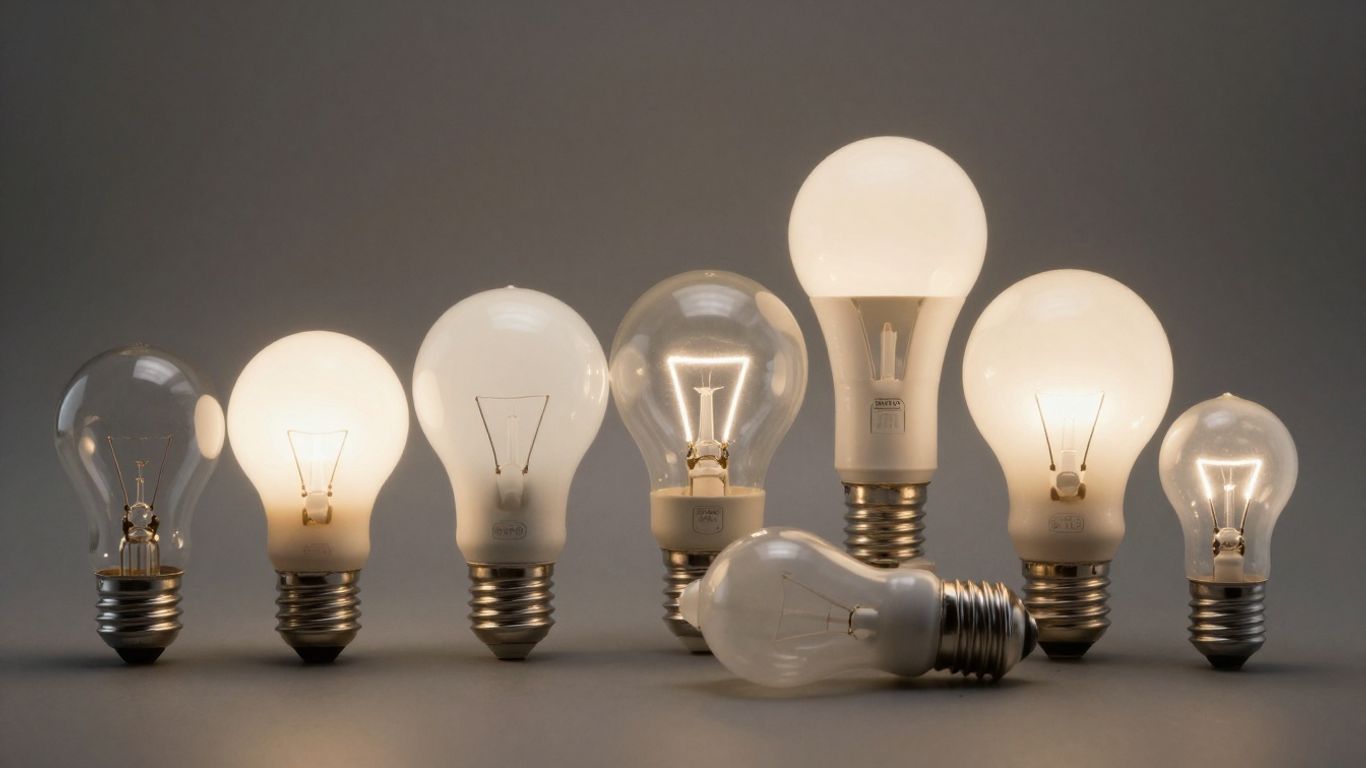
Picking the right light bulb for your home might seem a bit much at first, but honestly, it's not that complicated once you know what to look for. It’s all about getting the right balance for each room and your wallet. Let's break down the main things to consider.
Brightness Measured In Lumens
Forget watts for a second; lumens are where it's at when you want to know how bright a bulb actually is. Think of lumens as the actual light output. More lumens mean a brighter bulb. So, if you're trying to light up a kitchen for cooking or need good light for reading, you'll want a higher lumen count. For a more relaxed vibe in the living room, you might go for something with fewer lumens.
Here's a rough guide:
- Task Lighting (e.g., reading, kitchen worktops): Aim for 800-1100 lumens.
- General Room Lighting: Around 450-800 lumens is usually good.
- Ambient or Mood Lighting: 200-400 lumens will give a softer glow.
Colour Temperature And Room Ambiance
This is all about the 'feel' of the light. Colour temperature is measured in Kelvin (K). Lower Kelvin numbers mean warmer, more yellowish light, which is great for cosy spaces like bedrooms or living rooms. Higher Kelvin numbers give off a cooler, bluer light, which is better for areas where you need to be alert, like kitchens or home offices.
- Warm White (2700K - 3000K): Think cosy, relaxing, like a traditional incandescent bulb. Perfect for bedrooms and living rooms.
- Cool White (4000K - 5000K): Brighter, more neutral. Good for kitchens, bathrooms, and workspaces.
- Daylight (5000K - 6500K): Very bright, blueish. Best for areas needing maximum visibility or task lighting.
Wattage: Understanding Energy Consumption
Wattage tells you how much electricity a bulb uses. While it used to be a good indicator of brightness, that's not really the case anymore, especially with LEDs. LED bulbs use significantly less wattage than older types of bulbs for the same amount of light. So, a 10W LED might give you the same brightness as a 60W old-style bulb. This is where the real energy savings come in. Always check the lumens to know the brightness, and then look at the wattage to see how much energy it's using.
Choosing the right bulb isn't just about picking one off the shelf. It's about thinking about what you'll be doing in that room and what kind of atmosphere you want to create. Getting these factors right means you'll have lighting that works for you, saves you money, and feels just right.
Smart Bulbs And Advanced Lighting Features
Smart bulbs are really changing the game when it comes to home lighting. They're not just about turning lights on and off anymore; they offer a whole new level of control and customisation that traditional bulbs just can't match. If you're looking to make your home a bit more modern and convenient, these are definitely worth a look.
Convenience Of Remote Control
One of the biggest draws of smart bulbs is the ability to control them from pretty much anywhere. Forget getting out of bed to switch off a light you left on downstairs, or fumbling for a switch in the dark. You can use an app on your smartphone or even just your voice to manage your lights. It’s pretty handy, especially when you’re already comfy on the sofa.
Customisable Settings And Schedules
Smart bulbs really shine when it comes to setting the mood. You can often adjust the brightness, and some even let you change the colour of the light. Fancy a warm, cosy glow for movie night? Or a bright, energising light to start your day? You can set up schedules too, so your lights can automatically turn on when you get home or switch off at bedtime. It’s a nice way to add a bit of automation to your daily routine.
Here’s a quick rundown of what you can typically do:
- Adjust brightness levels.
- Change light colour (on colour-changing models).
- Set timers and schedules for lights to turn on/off.
- Create custom lighting 'scenes' for different activities.
Integration With Smart Home Systems
If you've already got a smart home setup, smart bulbs can fit right in. They can often connect with systems like Amazon Alexa, Google Assistant, or Apple HomeKit. This means you can control your lights as part of a larger automation, like saying "Goodnight" and having all your lights turn off, or having them come on when your smart security system detects you've arrived home. It really ties everything together.
While the initial cost of smart bulbs might be a bit higher than standard LED bulbs, the long-term benefits in convenience, customisation, and potential energy savings through smart scheduling can make them a worthwhile investment for many UK homes. Plus, the sheer novelty of controlling your lighting with your voice is pretty cool.
It's worth noting that most smart bulbs are LED-based, so you're getting the energy efficiency benefits of LED technology alongside these advanced features. When you're looking at different bulb options, keep an eye out for smart capabilities if you're after a more connected and adaptable lighting experience.
Energy Efficiency And Long-Term Savings
When you're looking at new light bulbs, the energy efficiency is a big deal, honestly. It's not just about saving a few quid on your electricity bill, though that's a nice bonus. It's also about doing your bit for the planet, which feels pretty good, right? LED bulbs are the clear winners here, using significantly less power than older types of bulbs.
Reducing Your Carbon Footprint With LEDs
Switching to LEDs is one of the simplest ways to make your home a bit greener. They use so much less energy that it directly translates to lower carbon dioxide emissions. Think of it as a small change with a surprisingly big impact. It’s like choosing a reusable shopping bag over plastic – a small habit that adds up.
Comparing Energy Consumption Across Bulb Types
It's helpful to see how different bulbs stack up against each other. You might be surprised by the differences, especially when you look at how much energy they use over their lifespan.
| Bulb Type | Typical Wattage | Lifespan (Hours) | Estimated Annual Cost* |
|---|---|---|---|
| Incandescent | 60W | 1,000 | £10 |
| Halogen | 42W | 2,000 | £7 |
| CFL | 15W | 10,000 | £2 |
| LED | 10W | 25,000 | £1 |
*Estimated annual cost based on 3 hours of use per day at current UK electricity prices.
Long-Term Cost Benefits Of Efficient Bulbs
While the initial price of an LED bulb might be a bit more than a traditional one, the savings over time are substantial. You'll notice it on your monthly bills because they sip electricity. Plus, they last for ages, meaning you won't be constantly buying replacements. It really does add up, making them a smart financial choice in the long run.
Choosing energy-efficient lighting isn't just a trend; it's a practical way to manage household expenses and reduce environmental impact. The upfront cost of a bulb is only a small part of the picture when you consider its total energy use and how long it will last before needing replacement.
Selecting The Best Light Bulb For Each Room
Choosing the right light bulb for each room really makes a difference, doesn't it? It’s not just about having light; it’s about creating the right feel and making sure the space works for what you need it to do. Let's break it down room by room.
Living Rooms and Bedrooms: Creating Ambiance
For living rooms and bedrooms, the goal is usually comfort and relaxation. You want a warm, inviting glow. Think about using bulbs with a lower colour temperature, typically between 2700K and 3000K. This gives off that cosy, yellowish light that’s perfect for unwinding after a long day or settling in for a film. Dimmable LED bulbs are brilliant here because they let you adjust the brightness. You can have it bright enough for reading or dial it down for a more intimate, relaxed atmosphere. For general lighting in a living room, aiming for around 1500-3000 lumens is a good starting point, but you can use lamps with lower lumen bulbs for softer, localised light.
- Living Room: Layer your lighting with a mix of overhead, task (like reading lamps), and accent lights. Dimmable, warm white LEDs are your best friend.
- Bedroom: Focus on soft, warm light. Bedside lamps are great for reading, and smart bulbs can even be programmed to wake you gently.
- Ambiance Tip: Consider smart bulbs that allow you to change colour temperature and brightness via an app, letting you set the perfect mood for any occasion.
Lighting in these spaces should encourage relaxation and comfort, making them feel like a true sanctuary within your home.
Kitchens and Bathrooms: Task and General Lighting
These are the workhorse rooms, so you need bright, clear light. In the kitchen, you need to see what you're doing when preparing food, chopping vegetables, or cleaning. This means you'll want bulbs with a higher lumen output, perhaps in the 2000-4000 lumen range for general lighting, and definitely brighter lights directly over work surfaces. A cooler colour temperature, around 4000K to 5000K, can help with visibility and make colours appear more true. Bathrooms also benefit from bright, clean light, especially around the mirror for grooming. Again, LEDs are a great choice here for their efficiency and longevity, especially in areas that might be used for shorter bursts of time.
- Kitchen: Bright, neutral to cool white light (4000K-5000K) is best for task areas. Aim for 2000-4000 lumens for overall illumination.
- Bathroom: Similar to the kitchen, bright light is needed, especially near the mirror. Consider IP-rated bulbs for areas prone to moisture.
- Task Lighting: Don't forget under-cabinet lights in the kitchen or spotlights in the bathroom for focused illumination where you need it most.
Hallways and Utility Areas: Brightness and Safety
Hallways, staircases, and utility areas like laundry rooms or garages are primarily about safety and practicality. You need good, consistent light to prevent trips and make sure you can see clearly. Bright, neutral white light (around 4000K) often works well here. While you might not need the highest lumen counts of a kitchen, you still want enough light to feel secure. Energy-efficient LED bulbs are ideal for these areas, especially hallways where lights might be left on for longer periods. They last a long time, meaning fewer bulb replacements in hard-to-reach places.
- Hallways: Bright, neutral light (around 4000K) for safety and visibility.
- Utility Areas: Focus on functional, bright light to make tasks easier.
- Safety First: Ensure all areas are well-lit to prevent accidents, especially on stairs.
Remember, a simple light bulb replacement can significantly change how a room feels and functions. Taking a moment to consider the purpose of the room and the type of light needed will lead to a much more satisfying result.
Recycling And Disposal Of Old Bulbs
So, you've finally upgraded your home lighting to those snazzy LED bulbs, or maybe you're just clearing out old stock. That leaves you with a pile of old light bulbs, and the big question is: what do you do with them? Tossing them in the general bin might seem easiest, but it's not always the best idea for the environment, especially with certain types.
Environmentally Friendly Disposal of LEDs
Good news for LED users! These modern marvels are generally the easiest to get rid of responsibly. They don't contain any nasty chemicals like mercury, which is a big plus. Most local recycling centres will happily take them off your hands. Some larger electrical retailers also have collection points. It’s always worth a quick check on your local council's website to find the nearest drop-off spot. It’s a simple step that makes a difference.
Proper Recycling of CFLs Containing Mercury
Now, compact fluorescent lamps (CFLs) are a bit different. You know, those twisty bulbs that were the energy-saving stars before LEDs took over? They contain a small amount of mercury. Because mercury is a hazardous substance, you can't just chuck these in your regular bin. They need special treatment. Most local recycling facilities have specific bins for fluorescent tubes and CFLs. You might also find collection points at hardware stores or council waste centres. It’s important to handle them carefully to avoid breaking them, and if one does break, make sure to air out the room and clean up the fragments safely, avoiding a vacuum cleaner.
Here's a quick rundown:
- LEDs: Generally safe for recycling at local centres or retailer drop-offs.
- CFLs: Contain mercury; require special recycling at designated points.
- Incandescent & Halogen: Often can go in general waste, but always check local rules first.
When it comes to getting rid of old bulbs, a little bit of thought goes a long way. Making sure you recycle or dispose of them correctly helps keep potentially harmful materials out of landfill and reduces waste overall. It’s a small action that contributes to a healthier planet for everyone.
When your old light bulbs stop working, it's important to know how to get rid of them properly. Some bulbs, like energy-saving ones, need special handling to keep harmful stuff out of the environment. Don't just toss them in the regular bin! We've got all the info you need to recycle or dispose of your old bulbs safely. Visit our website for easy guides and tips.
So, What's the Verdict?
Right then, choosing the right light bulb might seem a bit much at first, with all the different types and technical bits. But honestly, it's not that complicated once you get the hang of it. Whether you're trying to save a few quid on your electricity bill with LEDs, or just want the perfect cosy glow for your living room, there's a bulb out there for you. Don't forget to check the fitting and how bright you need it to be. Making these small changes can really make a difference to your home and even the planet. So next time you're in the shop, you'll know exactly what to pick. Happy lighting!
Frequently Asked Questions
What's the best type of light bulb to use to save electricity?
LED bulbs are the champions of saving electricity! They use way less power than older bulbs and last for ages, meaning you'll save money on your bills and won't have to change them very often.
How do I know if a new bulb will fit my lamp?
You need to check the fitting! Most UK homes use a bayonet fitting (like B22), but some might have a screw fitting (like E27). Look at your old bulb or the light fixture to see which type you need. It's like making sure you have the right key for a lock!
What does 'lumens' actually mean?
Lumens tell you how bright a bulb is. Think of it like this: the more lumens, the more light comes out. So, if you need a really bright light for reading or working, look for a bulb with a higher lumen number.
Does the colour of the light matter?
Yes, it really does! 'Warm white' light is cosy and relaxing, perfect for bedrooms or living rooms. 'Cool white' or 'daylight' bulbs are brighter and more energising, making them great for kitchens, bathrooms, or places where you need to concentrate.
Are smart bulbs worth the extra cost?
Smart bulbs let you control your lights with your phone or voice – you can dim them, change colours, or set them on a timer. If you like having lots of control and fancy tech, they can be a fun and convenient addition to your home.
What should I do with my old light bulbs?
Don't just chuck them in the bin! LED bulbs can often be recycled at special collection points. If you have older CFL bulbs, these contain a tiny bit of mercury, so they definitely need to go to a special recycling centre to be handled safely.

