

Discover the Best Lighting for Your Kitchen Ceiling: A Comprehensive Guide
Picking the best lighting for your kitchen ceiling can feel like a big job, especially with all the choices out there. The right lights make cooking easier, help you see what you’re doing, and can even change the whole mood of your kitchen. Some people want something simple and out of the way, while others want their lights to stand out and make a statement. In this guide, we’ll look at different types of kitchen ceiling lights, so you can find something that fits your space and your style. Whether you’re after something modern, classic, or a bit quirky, there’s an option for everyone.
Key Takeaways
- Mixing different types of lights gives you a kitchen that’s bright and practical.
- Recessed lights are great for a clean, modern look and don’t get in the way.
- Pendant lights work well over islands or tables, adding a bit of character.
- Flush and semi-flush mounts are good for kitchens with lower ceilings.
- Don’t forget to pick bulbs that match the mood you want—warmer for cosy, cooler for energetic.
1. Recessed Lighting
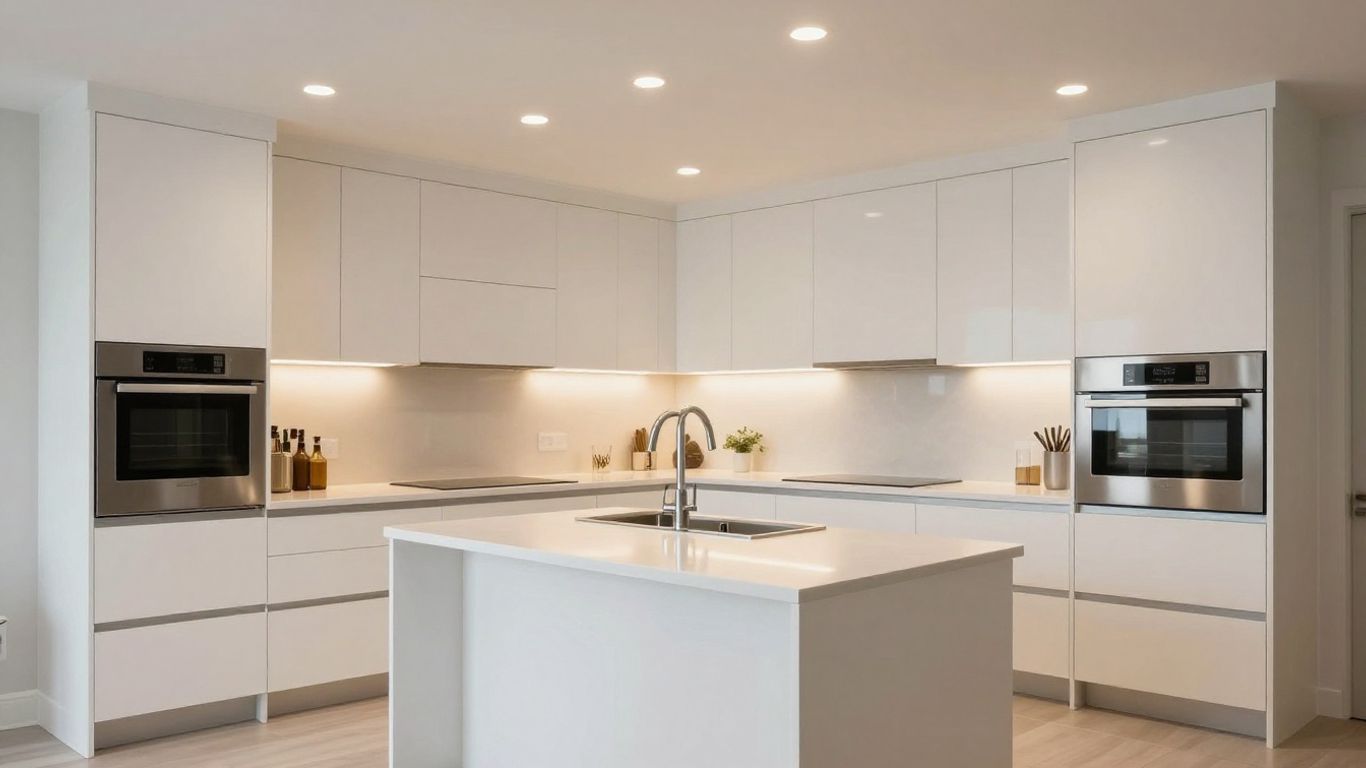
Recessed lighting, often called can lights or downlights, is a really popular choice for kitchens because they sit flush with the ceiling. This gives a clean, uncluttered look, which is great if you're going for a modern vibe. They're brilliant for providing general, even illumination across the whole room, making sure there aren't any dark corners. You can really control the mood by using dimmable LED bulbs with these.
When you're planning where to put them, think about spacing them out evenly. This helps avoid shadows, especially over work surfaces. For a standard kitchen, you might find that placing them about 4-6 feet apart works well, but it really depends on the size of your room and the beam angle of the lights themselves. It’s also worth considering the type of trim you use; some are quite basic, while others can add a subtle decorative touch.
Here’s a quick look at some common bulb types:
- LED Bulbs: These are the go-to these days. They're super energy-efficient, last for ages, and come in all sorts of brightness levels and colour temperatures. You can find smart bulb options too, which let you control them from your phone.
- Halogen Bulbs: While less common now due to energy use, they offer excellent colour rendering, making food look its best.
- Incandescent Bulbs: These are being phased out, but if you do find them, they give off a warm, familiar light.
When choosing your recessed lights, think about the 'cutout' size – that's the hole you'll need in the ceiling. Common sizes are 4-inch and 6-inch, and this will influence the type of bulb and fixture you can use. Getting the right size bulb replacement is key for a good fit.
For kitchens, using a mix of ambient and task lighting is always a good idea. Recessed lights are fantastic for the ambient part, but you might want to add pendants or under-cabinet lights for specific tasks. If you're looking for something a bit more decorative to complement your kitchen, perhaps something like farmhouse wood chandeliers could be a nice addition elsewhere in your home.
2. Pendant Lights
Pendant lights are a really popular choice for kitchens, and for good reason. They hang down from the ceiling, usually on a cord or chain, and they're brilliant for adding both light and style. Think of them as the jewellery for your kitchen ceiling.
They're especially good for task lighting over key areas like kitchen islands or breakfast bars. This means you get a focused beam of light right where you need it for chopping, cooking, or just having a cuppa. But they're not just practical; they can really change the whole look of your kitchen. You can get them in all sorts of materials – glass, metal, wood, even ceramic – and styles, from super modern to more traditional or industrial.
When you're picking them out, think about the size of your space. You don't want them to be too big and overwhelming, or too small and get lost. A good rule of thumb is to consider the width of the island or table they'll be over. For a standard kitchen island, two or three pendants spaced evenly often looks just right.
| Style | Best For |
|---|---|
| Glass Pendants | Modern and minimalist kitchens |
| Metal Pendants | Industrial and farmhouse styles |
| Wooden Pendants | Scandinavian and rustic kitchens |
| Ceramic Pendants | Contemporary and eclectic kitchens |
Using LED bulbs with your pendant lights is a smart move. They use less electricity and last ages, which is a win-win. Plus, you can get dimmable LED bulbs, so you can adjust the mood from bright and functional for cooking to a softer glow for evening relaxation. It’s all about layering your lighting, and pendants are a fantastic way to do that.
Pendant lights offer a great way to add personality to your kitchen. They can be a real focal point, drawing the eye and adding character. Don't be afraid to mix and match slightly different styles if your kitchen has a more eclectic feel, but generally, sticking to a consistent material or colour family will give a more polished look.
3. Flush Mount Lights
Flush mount lights fit right up against the ceiling, which is perfect if you don’t have much headroom to spare. These lights are a lifesaver for small or low-ceilinged kitchens because they won’t hang down and get in the way. Often overlooked, flush mount fixtures create a good amount of general light—enough so you can see what you’re chopping or where the crumbs landed, without casting dark corners everywhere.
Here are a few reasons people pick flush mount lights for kitchen ceilings:
- Save space and keep pathways clear in busy kitchens.
- Work well in rooms with ceilings around 8 feet or lower.
- Come in heaps of styles, so it’s not all boring plastic domes anymore.
- Easy to add your choice of bulb, from classic to smart LEDs.
- Replacing the bulb is simple, even if you’re not good with tools.
Choosing the right bulb makes a big difference. Smart bulbs adjust brightness or colour with your phone. LED bulbs mean no more constant replacements, and modern designs suit every taste.
| Bulb Type | Lifespan (hours) | Average Energy Use | Notes |
|---|---|---|---|
| Standard | 1,000 | High | Warm look, older tech |
| LED | 15,000 – 25,000 | Low | Bright, energy-saving |
| Smart LED | 15,000 – 25,000 | Low | App control, colour options |
Flush mount lights deliver plenty of light without stealing headspace, especially when paired with the right LED or smart bulb. Swapping out a bulb is quick—even if you spill the spice rack in the process.
4. Chandeliers
While you might think of chandeliers as being strictly for dining rooms or grand entrances, they can actually bring a surprising amount of flair to a kitchen. A well-chosen chandelier can transform your kitchen from purely functional to a real showstopper. They add a touch of elegance and can really make a statement, especially in larger kitchen spaces or those with a more traditional or transitional design.
Think about the size of your kitchen. A massive, multi-tiered crystal number might overwhelm a smaller room, but a more streamlined, modern chandelier with clean lines could be just the ticket. For those with lower ceilings, a semi-flush mount chandelier can give you that dramatic look without sacrificing headroom.
When picking out bulbs for your chandelier, consider the mood you want to create. Dimmable LED bulbs are a great choice, allowing you to adjust the brightness from a bright, functional light for cooking to a softer glow for evening relaxation.
Here are a few things to keep in mind:
- Proportion is Key: Make sure the chandelier's size fits the room. A good rule of thumb is to add the length and width of your kitchen in feet, and that number in inches is a good starting point for the fixture's diameter. For an 8-foot ceiling, aim for a fixture that's around 20-24 inches tall.
- Style Match: Consider your kitchen's overall style. Wrought iron can suit a farmhouse look, while polished chrome or brass might fit a more contemporary setting.
- Bulb Choice: Opt for LED bulbs for energy efficiency and longevity. Warm white bulbs (around 2700K-3000K) create a cosy atmosphere, while cooler tones might be better if you need brighter task lighting.
Chandeliers aren't just about light; they're about adding personality and a focal point to your kitchen. Don't be afraid to go a little dramatic if your space allows.
5. Semi-Flush Mount Lights
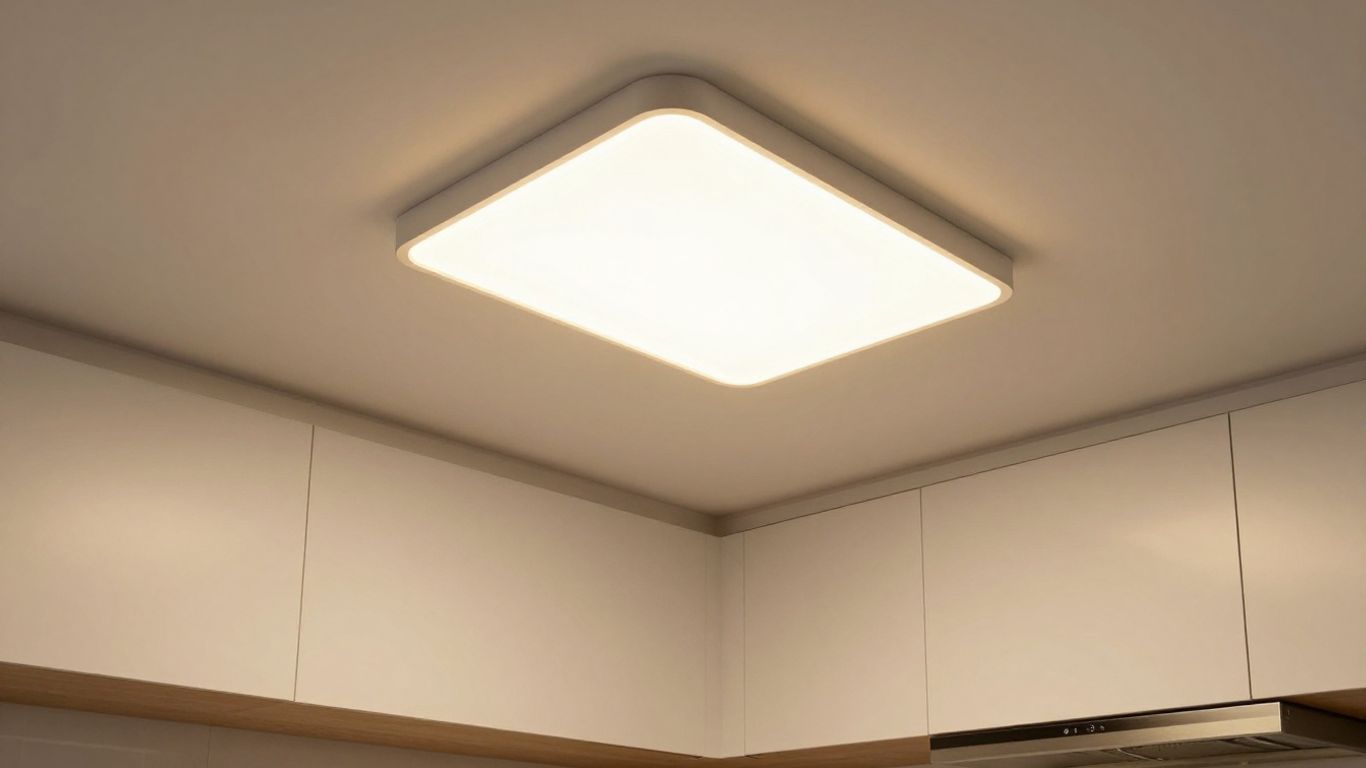
Semi-flush mount lights sit somewhere between flush mount fixtures and chandeliers. They hang just a short distance from the ceiling, making them a strong choice for kitchens with standard height ceilings. These fixtures offer a good blend of style and practicality—giving you more design options without sacrificing too much headroom.
Here's why people turn to semi-flush mount lights in the kitchen:
- They give more personality than true flush mounts, letting you play with different looks, finishes, and sizes.
- You can use a wide range of bulbs—classic, energy-saving LEDs, smart bulbs, or even colour-changing models for a bit of fun.
- They cast ambient light outwards and downwards, which helps fill the room evenly but still adds a bit of drama with shadows and highlights.
A lot of kitchens in the UK now use LED light bulbs for energy savings and long bulb life. Smart bulbs are another solid option—they're easy to dim, can change colour, and you can control them from your phone. If you haven't swapped to LEDs yet, they’re worth a try for lower running costs and less frequent light bulb replacement.
| Bulb Type | Average Lifetime | Energy Usage | Bonus Features |
|---|---|---|---|
| Traditional | 1,000 hours | 60W-100W | Warm light, cheap upfront |
| LED | 15,000 hours | 6W-12W | Energy saving, cool/warm, dimmable |
| Smart (LED) | 15,000 hours | 7W-12W | App control, colour change |
Choosing the right semi-flush mount means getting the size right for your kitchen—too big and it’s overwhelming, too small and it looks lost. The sweet spot is usually something that’s about a third of your kitchen’s width or length.
To sum up, semi-flush mount lights offer a real mix of style, flexibility, and easy maintenance. They work especially well if you want a statement light without the fuss of a bulky fixture.
6. Track Lighting
Track lighting is one of those options that pops up a lot when people start thinking about practical kitchen lighting. The basic idea is simple: you’ve got a track mounted to the ceiling, with adjustable bulbs that you can twist and point where you actually need the light. This flexibility makes track lighting a solid choice for busy kitchens where you want to light up different workspaces without a fuss.
What stands out is how easy it is to swap out bulbs or adjust their position if your kitchen’s layout (or your mind) changes. With all the bulbs lined up on one track, you can mix smart bulbs, low-energy LED options, or even go for a bolder style with industrial-looking fittings. Got a picky chef in the family? You can aim a bulb right at the chopping block or over the oven. Need to light up a kids’ homework corner at the counter? Just twist a spotlight their way.
Some quick pros of track lighting in the kitchen:
- Flexible—direct light exactly where it's needed.
- Works well with modern LED bulbs or smart bulbs, so you can control the brightness or even set timers.
- Simple to keep updated if you want to replace bulbs with better ones, like switching to a brighter LED light bulbs UK option or a colour-changing bulb.
Here’s a quick comparison of bulb types for your track lighting:
| Bulb Type | Energy Use | Lifespan (hours) | Dimmable | Smart Capability |
|---|---|---|---|---|
| LED | Low | 15,000–50,000 | Yes | Often available |
| Halogen | Medium | 2,000–4,000 | Yes | Rare |
| Smart LED | Low | 15,000–25,000 | Yes | Yes |
| Incandescent | High | 1,000 | Limited | No |
If you want a lighting solution that can handle everything from midnight snack runs to Sunday meal prepping, track lighting with LED or smart bulbs is easily adjusted as life (and your kitchen) changes.
7. Spotlights
Spotlights are a really practical choice for kitchen ceilings, especially when you need focused light in particular areas. Unlike general ceiling lights, spotlights let you point light exactly where you need it, like over a hob or worktop. They’re usually installed in a row or cluster, so you can aim each one in a different direction. This makes them handy for things like chopping veggies or reading recipes—jobs where you don’t want any guesswork.
Here are a few points to help you get the most out of kitchen spotlights:
- LED spotlights are the most common nowadays. They’re efficient, don’t heat up much, and last for ages. LED light bulbs in the UK can be found in almost any hardware shop or online.
- Smart bulbs can fit many spotlights, letting you change the brightness or even the colour temperature with a tap on your phone. Perfect for mood lighting or late-night snacks.
- Always pay attention to bulb replacements and fixture type. Some spotlights have replaceable bulbs, while others are sealed units.
- If your kitchen is on the larger side, consider ‘range light bulbs’ or adjustable heads. They throw light further and cover more space.
Here’s a quick table comparing spotlight bulb types:
| Bulb Type | Lifespan (hours) | Energy Use | Dimmable? |
|---|---|---|---|
| LED | 15,000–50,000 | Very Low | Often |
| Halogen | 2,000–4,000 | Moderate | Sometimes |
| Smart LED | 15,000–40,000 | Very Low | Always |
When you’re planning out spotlights, try a mix of direct and angled heads to avoid annoying shadows and make sure you’ve always got light where it matters most.
Swapping out a bulb in a spotlight is usually straightforward—just twist and pull. Honestly, if you can change a regular light bulb, you’ll have no trouble with these. If you like simplicity, stick with basic LED bulbs, but if you want to play with lighting scenes and colours, smart bulbs are worth every penny.
8. Ceiling Lights
Ceiling lights are a bit of a catch-all term, aren't they? They're basically any light fixture that's mounted directly onto the ceiling. This means they can cover a whole range of styles, from simple, no-fuss discs to more decorative pieces. They're often a go-to for general room illumination, especially in hallways, smaller rooms, or places where you don't want a light hanging down too far.
When you're thinking about ceiling lights, it's worth considering a few things:
- Size and Scale: You don't want a tiny light in a big room, or a massive one in a small space. A good rule of thumb is to add the room's length and width in feet, and that number in inches is a good starting point for the fixture's diameter. For example, a 10ft by 12ft room might suit a light around 22 inches across.
- Ceiling Height: If you've got low ceilings, a flush mount or semi-flush mount is usually best. These sit closer to the ceiling, so you don't bump your head. For higher ceilings, you've got more freedom to choose something a bit more substantial.
- Bulb Type: Most ceiling lights will take standard bulbs, but it's worth checking. LED bulbs are a smart choice because they last ages and use less electricity. You can get them in all sorts of colours, from warm white for a cosy feel to cool white for brighter, more focused light.
Choosing the right ceiling light is about balancing how much light you need with the overall look of your kitchen. It's not just about brightness; it's about how the fixture fits in with everything else.
Think about the style too. You can get really modern, minimalist designs, or something more traditional with glass or metal details. They're a solid option for providing that all-important background light that makes a room feel complete.
9. Farmhouse Pendants
Farmhouse pendants are a brilliant way to inject some rustic charm and character into your kitchen. They often feature materials like distressed metal, wood, or clear glass, giving them that cosy, lived-in feel that's so popular in farmhouse-style homes. These aren't just for show, though; they provide excellent task lighting, especially when hung over a kitchen island or a breakfast nook.
When choosing farmhouse pendants, think about the overall vibe you're going for. Do you want something with a bit of an industrial edge, perhaps a metal cage design? Or maybe a more classic look with a simple glass shade?
Here are a few things to consider:
- Material: Look for finishes like matte black, brushed nickel, oil-rubbed bronze, or even natural wood.
- Shade Style: Options range from open cages and bell shapes to mason jar-inspired designs.
- Bulb Type: Many farmhouse pendants look fantastic with exposed Edison-style LED bulbs, which give off a warm, inviting glow and are also energy efficient. You can find these in various wattages and colour temperatures to suit your preference.
Hanging them at the right height is key to both their functionality and aesthetic appeal. Generally, you'll want them about 30-36 inches above your countertop or island surface. This ensures you have enough clearance to work without bumping your head, while still providing direct light where you need it most.
Don't be afraid to mix and match a few different pendant styles if you have a larger island or a series of them. Just make sure they share a common element, like the material or colour, to keep the look cohesive. It adds a personalised touch that makes your kitchen feel truly unique.
10. Industrial Chandeliers
Industrial chandeliers have become a bold choice for kitchen ceilings, combining a raw, urban edge with practical lighting. Typically crafted from metals like iron or steel and showcasing exposed bulbs, these fixtures are designed to echo old factories or warehouses. Unlike more traditional ornate chandeliers, industrial styles emphasise form and function, often using simple lines, dark finishes, and minimalist structures.
If you're considering this striking option for your kitchen, here are a few things to think about:
- Industrial chandeliers work well over islands or dining tables, acting as a statement piece and providing focused light where it’s most needed.
- Smart bulbs can be integrated into these fittings, letting you customise colour temperature and brightness to suit different moods or times of day.
- LED light bulbs UK are practically made for these fixtures: they're energy-efficient and available in classic filament styles, perfect for that exposed bulb look.
- Regular light bulb replacement is a thing of the past with LEDs – many now last for years, so you spend less time on ladders and more time appreciating your lighting.
- Mixing industrial materials (like black metal and clear glass) can complement modern cabinets or rustic farmhouse kitchens. In fact, farmhouse wood chandeliers blend seamlessly with industrial styles if you want a softer touch.
Quick comparison of suitable bulbs for industrial chandeliers:
| Bulb Type | Energy Efficiency | Lifespan | Appearance |
|---|---|---|---|
| LED (filament) | Very high | 15,000 – 25,000 hrs | Classic clear, warm glow |
| Smart bulb | High | 10,000 – 20,000 hrs | Adjustable, modern look |
| Standard halogen | Moderate | 1,000 – 2,000 hrs | Brighter, hotter, less style |
Industrial chandeliers don't just light your kitchen, they set the tone. Pick the right bulbs to show off your fixture, save energy, and make the whole space feel intentional.
Go for a fixture you genuinely like, not just one that fits a trend. Test a few bulb types to find the one that gives the warmth or brightness your kitchen needs.
Looking to add a touch of grandeur to your space? Our industrial chandeliers offer a unique blend of style and substance, perfect for making a statement. These striking fixtures bring a bold, eye-catching element to any room. Explore our collection today and find the perfect centrepiece to elevate your home's look. Visit our website to see the full range!
Wrapping Up Your Kitchen Lighting Project
So, we've looked at all sorts of lights for your kitchen ceiling. It’s not just about brightness, is it? It’s about making the space work for you, whether you’re chopping veggies or just having a cuppa. Remember to think about the different kinds of light – the general glow, the focused beams for work, and those little touches that make things look nice. Mixing and matching is key, really. Don't forget about dimmers, they're a game-changer for setting the mood. And of course, pick something that looks good with your kitchen. A bit of planning goes a long way to making your kitchen a really pleasant place to be. Happy lighting!
Frequently Asked Questions
What's the best type of light for general kitchen lighting?
For general lighting that lights up the whole kitchen, recessed lights are a top choice. They sit flat against the ceiling, so they don't get in the way. You can also use flush mount lights, which are similar but might hang down a little. Think of these as the main lights that make sure you can see everywhere.
How do I light up my kitchen work areas, like the counter or sink?
To make sure you can see clearly when you're chopping veggies or washing dishes, you need task lighting. Pendant lights hung over an island or sink are great for this. Under-cabinet lights are also fantastic for lighting up your countertops without making glare.
Can I use decorative lights in my kitchen?
Absolutely! Lights aren't just for seeing; they're for looking good too. Chandeliers can add a bit of sparkle, especially in a dining area within the kitchen. Farmhouse or industrial-style pendants can also be a real statement piece that shows off your personal style.
What are dimmers, and why should I use them in the kitchen?
Dimmers are like a volume control for your lights. They let you make the lights brighter for cooking or dimmer for a more relaxed meal. Having dimmers means you can change the mood of your kitchen easily, making it perfect for everything from busy meal prep to a quiet family dinner.
What kind of light bulbs are best for the kitchen?
LED bulbs are a smart choice because they save energy and last a really long time. For the colour of the light, warm white bulbs (around 2700K to 3000K) make the kitchen feel cosy. If you want a brighter, more energetic feel, cooler white bulbs (around 3500K to 5000K) work well.
How many lights do I really need in my kitchen?
It's not just about the number, but about having different types of light. You'll want general lights for the whole room, task lights for where you work, and maybe some accent lights to highlight cool features. Layering these different lights creates a kitchen that's both practical and looks great.

