

Elevate Your Space: Choosing the Perfect Modern Kitchen Ceiling Light
So, you're looking to spruce up your kitchen and the ceiling light is the next thing on your list? It's a big deal, really. The right kitchen ceiling light modern design can totally change how the whole room feels. It’s not just about seeing where you’re chopping onions, it’s about the vibe. We’ll chat about the basics of kitchen lighting, then look at some cool fixture ideas, and finally, how to pick the best one for your space. Let's get your kitchen looking and feeling just right.
Key Takeaways
- Think about the main light (ambient), the light for working (task), and the light for showing off stuff (accent). Getting this mix right makes your kitchen work better.
- Modern kitchen ceiling light options range from neat recessed lights to stylish pendants over islands, and even dramatic chandeliers. There's something for every look.
- Match your light fixture to your kitchen's style. Clean lines for modern, rustic bits for farmhouse, and exposed looks for industrial spaces.
- Always check your kitchen's size and ceiling height before buying. Make sure the light you pick is practical for cooking and looks good.
- Dimmable switches are your best friend for changing the mood from busy cooking time to relaxed evening meals. Plus, LEDs save energy and last ages.
Understanding Kitchen Lighting Essentials
The Three Pillars Of Kitchen Illumination
Think of your kitchen lighting like a good recipe – it needs a few key ingredients to work properly. It’s not just about having one big light in the middle, though that’s a start. We’re talking about a layered approach, and it all boils down to three main types of light. Getting these right means your kitchen will be a joy to be in, whether you're whipping up a Sunday roast or just grabbing a midnight snack.
Ambient, Task, And Accent Lighting Explained
First up, we have ambient lighting. This is your general, all-over light. It’s the foundation that makes sure you can actually see where you’re going without bumping into things. Think of ceiling lights that spread light evenly across the room. Then there's task lighting. This is the focused light you need for specific jobs – like chopping vegetables on the worktop, reading a recipe, or washing up. You want this light to be bright and direct, cutting out shadows where you’re working. Finally, accent lighting is the bit that adds personality. It’s used to draw attention to nice features, like a splashback, a piece of art, or even a fancy spice rack. It adds depth and makes the kitchen feel more interesting.
Balancing Light For A Functional Space
Getting the balance right between these three types is what makes a kitchen truly functional and pleasant. You don’t want a kitchen that’s so bright it feels like an operating theatre, but you also don’t want it so dim that you can’t see what you’re doing. A good mix means you can adjust the lighting throughout the day. For instance, you might want bright task lighting when you’re cooking, but a softer, warmer ambient light when you’re eating dinner at the table. Dimmable switches are brilliant for this, letting you tweak the mood. It’s all about making the space work for you, whatever you’re doing in it.
The right lighting isn't just about brightness; it's about creating different moods and making sure every corner of your kitchen is usable and looks good. It’s a bit like choosing the right ingredients – each one plays its part.
Here’s a quick rundown:
- Ambient: General illumination for the whole room.
- Task: Bright, focused light for work areas (countertops, sink, hob).
- Accent: Highlights specific features or decor.
Choosing the right bulb type is also important. LED bulbs are a popular choice these days because they last ages and don't use much electricity. You can get them in different colours, from a warm, cosy glow to a crisp, clean white, so think about the vibe you want for your kitchen.
Exploring Modern Kitchen Ceiling Light Fixtures
When you're thinking about updating your kitchen, the ceiling light often gets overlooked. But honestly, it's a big deal. It's not just about brightness; it's about the whole vibe of the room. Let's look at some popular choices that really fit that modern kitchen look.
Sleek Recessed Lighting For Minimalist Designs
Recessed lights, sometimes called can lights, are brilliant for a clean, uncluttered look. They sit right up in the ceiling, so they don't stick out or get in the way. This makes them perfect for modern kitchens where you want smooth lines and a streamlined feel. You can put them all over the ceiling to give a really even, general light, which is great for making sure the whole space is usable. Plus, you can get them with dimmers, so you can change the mood from bright and functional for cooking to something softer for evening.
- Even illumination: Covers the whole room without dark spots.
- Minimalist aesthetic: Keeps the ceiling looking clean and uncluttered.
- Adaptable: Works well with different kitchen layouts.
Statement Pendant Lights Over Islands
Pendant lights are fantastic for adding a bit of personality. They hang down from the ceiling, and you often see them grouped over a kitchen island. They're not just for light; they're a design feature. You can find them in all sorts of materials and shapes – think sleek metal, glass, or even concrete. Choosing the right pendant can really make your island pop and become a focal point in the kitchen. They're also great for task lighting right where you need it for food prep.
Contemporary Chandeliers As Focal Points
Don't dismiss chandeliers just because they sound fancy. Modern chandeliers have moved on from being just for formal dining rooms. You can get really stylish, contemporary versions that have simpler designs and clean lines. They can add a touch of drama and sophistication to your kitchen, especially if you have a larger space or a central island. It's a way to bring in a bit of glamour without being over the top. Just make sure the size fits the room so it doesn't feel too heavy.
Versatile Track Lighting Solutions
Track lighting is super practical. It's basically a bar with several lights on it that you can often move around. This means you can point the light exactly where you need it, which is brilliant for kitchens. Need more light over the sink for washing up? Just adjust a head. Want to highlight a splashback or some artwork? Angle a light towards it. It's a flexible option that works well in many different kitchen styles, not just modern ones, and it's easy to add more lights or change them later if your needs change.
When picking out any ceiling light, think about the bulb type. LED bulbs are a good shout because they use less energy and last ages. You can get them in different colours, from a cool white to a warmer, more yellow light, so you can choose what feels best for your kitchen's atmosphere. Dimmable switches are also a really good idea for most kitchen lights, giving you control over the brightness.
Integrating Lighting With Kitchen Design Styles
Modern Kitchens: Clean Lines and Functionality
Modern kitchens are all about keeping things simple and functional. Think clean lines, uncluttered surfaces, and a focus on practicality. When it comes to lighting, this means fixtures that blend in rather than stand out. Recessed lighting is a top choice here, offering a smooth, unobtrusive glow that highlights the kitchen's architecture without drawing attention to itself. Sleek pendant lights, especially those with minimalist designs in materials like brushed metal or matte black, can also work well, particularly over an island. The goal is to have lighting that complements the streamlined look, so fixtures in neutral colours are usually best. Using dimmable switches is a good idea too, letting you adjust the mood from bright and functional for cooking to softer for evening relaxation.
Farmhouse Charm With Rustic Fixtures
Farmhouse kitchens have that cosy, inviting feel, often with natural materials and a touch of vintage charm. Lighting plays a big part in creating this atmosphere. Think about pendant lights with a slightly distressed metal finish, or perhaps a chandelier made from wrought iron. Fixtures that incorporate wood or have a slightly aged look fit right in. Edison bulbs, with their warm, visible filaments, are also a popular choice for adding that rustic touch. It’s about finding lights that feel a bit handmade and full of character, adding warmth and a sense of history to the space. Combining these statement pieces with softer ambient lighting from ceiling-mounted fixtures helps balance the style with the need for good illumination.
Industrial Aesthetics With Exposed Elements
Industrial-style kitchens embrace raw materials, exposed brickwork, and a generally utilitarian vibe. The lighting here often mirrors this aesthetic. Track lighting is a great option, as its adjustable heads allow you to direct light precisely where you need it, whether it's over a prep area or a specific feature. Pendant lights with metal shades, exposed bulbs, or cage-like designs really lean into the industrial look. Materials like steel, concrete, and dark metals are common. The idea is to have lighting that looks robust and functional, almost like it's part of the building's structure. Don't be afraid of fixtures that look a bit raw or unfinished – it's all part of the charm.
Timeless Elegance In Traditional Settings
Traditional kitchens aim for a classic, elegant feel, often featuring detailed cabinetry, rich wood tones, and a sense of enduring style. Lighting in these kitchens should reflect that sophistication. Ornate chandeliers, perhaps with crystal or intricate metalwork, can serve as a stunning focal point. Pendant lights with more decorative designs, maybe in brass or a dark, polished finish, also fit well. The key is to choose fixtures that have a sense of craftsmanship and detail. Warm-toned bulbs are usually preferred to create a welcoming and comfortable atmosphere, complementing the classic materials and finishes found in traditional cabinetry and countertops. It’s about creating a look that feels both luxurious and lived-in.
When choosing lights for any kitchen style, remember to think about how the fixture itself looks when it's switched off, as well as the quality of light it provides when it's on. The material, finish, and overall design of the light should harmonise with your kitchen's existing elements.
Practical Considerations For Your Kitchen Ceiling Light
Assessing Your Kitchen Layout and Ceiling Height
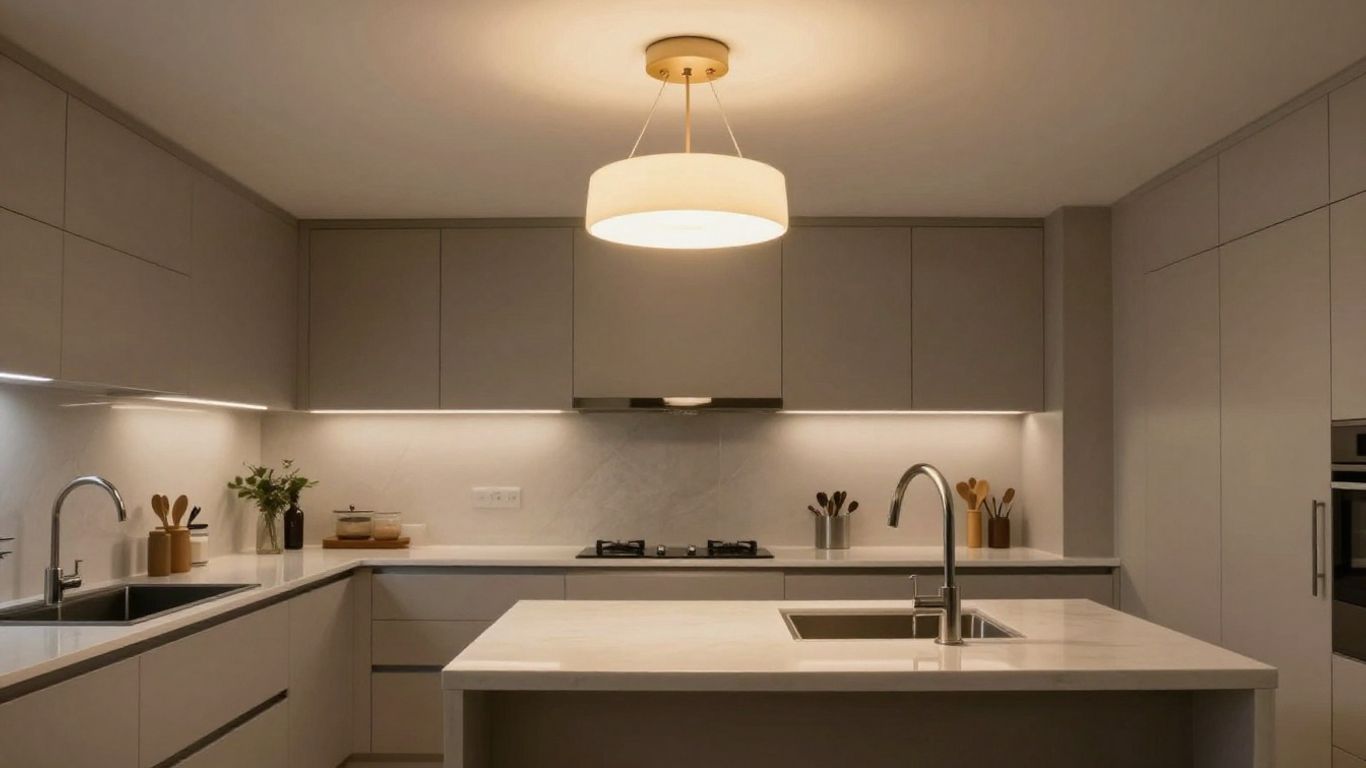
Before you get too carried away with fancy designs, take a good look at your kitchen itself. How big is the room? What's the ceiling height like? A massive, sprawling kitchen might need a few different light sources to feel properly lit, whereas a smaller galley kitchen might feel overwhelmed by too many big fixtures. If you've got low ceilings, you'll want to steer clear of anything too bulky that hangs down too far, as it can make the space feel cramped. Recessed lights are often a good bet for lower ceilings, or perhaps a flush-mount fixture. For higher ceilings, you've got more freedom to play with pendant lights or even a more dramatic chandelier.
Prioritising Functionality and Task Lighting
Let's be honest, a kitchen isn't just for looking pretty; it's where the actual work happens. So, while aesthetics are important, don't forget about making sure you can actually see what you're doing. Think about where you do most of your prep work – usually at the countertops. You'll want good, focused light there to avoid chopping your fingers off. The sink area and the hob are other key spots that need plenty of light. Ambient lighting is great for the overall feel, but task lighting is what makes your kitchen practical. You might need to combine different types of lights to get this right, like under-cabinet lights for your work surfaces alongside your main ceiling lights.
Choosing the Right Bulb Type and Colour Temperature
This is where things can get a bit technical, but it's worth paying attention to. For a start, most people are going for LED bulbs these days, and for good reason. They use a lot less energy than old-fashioned bulbs and last for ages, meaning fewer trips up a ladder for a light bulb replacement. But then there's the colour temperature. This is measured in Kelvin (K). Lower numbers, like 2700K to 3000K, give off a warmer, yellowish light, which can make a kitchen feel cosy and inviting. Higher numbers, like 3500K to 5000K, produce a cooler, bluer light, which can make a space feel more energetic and is often better for task lighting. It's a bit of a balancing act to get the right feel for your kitchen.
The Benefits Of Dimmable Switches
Seriously, if you're fitting new lights, get dimmers. It's such a simple thing, but it makes a massive difference. You can have bright light when you're cooking or cleaning, and then turn it down low for a more relaxed atmosphere when you're eating or just chilling in the kitchen. It means your lighting can adapt to whatever you're doing. You can go from a bright, functional workspace to a soft, ambient glow without changing a single bulb. It’s all about flexibility and making your kitchen work for you at different times of the day.
Getting the lighting right is more than just picking a nice-looking fixture. It's about how the light actually works in your space, how it helps you do things, and the mood it creates. Think about the practicalities first, then let the style follow.
Enhancing Your Kitchen With Advanced Lighting
Beyond the basics, there's a whole world of clever lighting options that can really make your kitchen shine. We're talking about the kind of lighting that's not just about seeing, but about creating an atmosphere and making your life a bit easier. Think energy efficiency and smart controls – it's all about making your kitchen work better for you.
Energy-Efficient LED Panels and Light Troughs
LED panels are brilliant for giving off a really even, soft light. They're flat and unobtrusive, so they don't take up much visual space, which is great for modern kitchens. Light troughs, on the other hand, are like channels where you can hide LED strips. They give a really clean, modern look, especially when you put them under cabinets to light up your work surfaces. They're super energy-efficient, meaning they'll save you a bit on your electricity bill over time, and they last for ages, so you won't be constantly swapping out bulbs.
- Even Light Distribution: Perfect for eliminating shadows on your countertops.
- Sleek Aesthetics: They blend in beautifully, keeping your kitchen looking uncluttered.
- Longevity: LEDs last much longer than traditional bulbs.
The Role Of Natural Light With Skylights
Don't forget about the sun! Skylights and solar tubes are fantastic for bringing natural light into your kitchen. This not only makes the space feel bigger and more airy but also cuts down on the need for artificial lights during the day. It's a win-win, really. Maximising natural light can really transform the feel of your kitchen, making it a much more pleasant place to be.
Natural light can significantly impact the mood and perceived size of a kitchen. Integrating skylights or solar tubes thoughtfully can reduce reliance on artificial lighting and create a brighter, more welcoming environment throughout the day.
Smart Lighting For Modern Kitchens
Now, this is where things get really interesting. Smart lighting lets you control your lights using your phone or voice commands. You can dim them, change their colour, or even set schedules. Imagine being able to dim the lights for a relaxed dinner without getting up, or having them turn on automatically when you enter the kitchen. It adds a layer of convenience and customisation that's hard to beat. Plus, many smart bulbs are LEDs, so you get the energy savings too. It's about making your kitchen lighting work for you, exactly when and how you want it to.
Coordinating Your Kitchen Ceiling Light
Matching Fixtures With Kitchen Colours And Materials
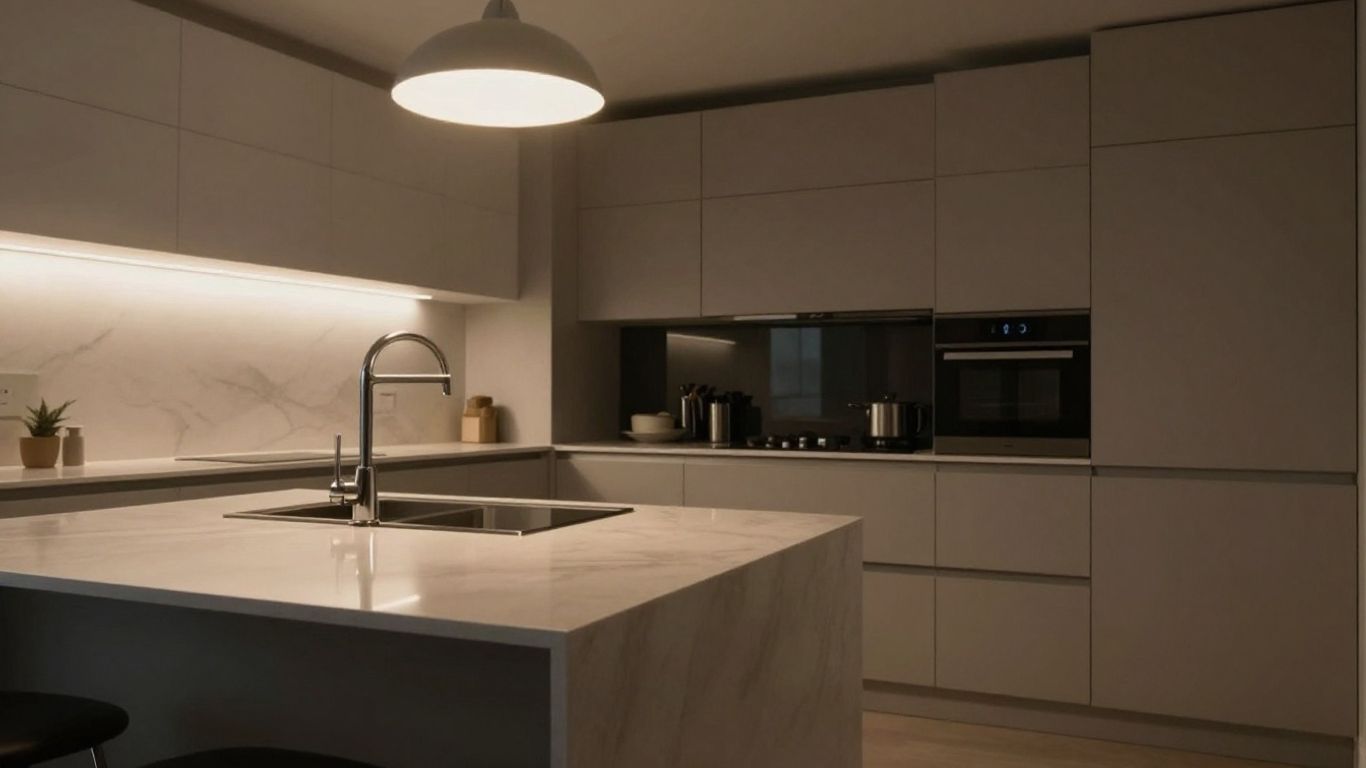
Picking out the right ceiling light isn't just about brightness; it's also about making sure it looks good with everything else in your kitchen. Think about the colours you've used – are they warm and earthy, or cool and modern? If you've got a lot of wood tones, maybe a fixture with a brushed brass or a matte black finish would work well. For kitchens with lots of white or grey, a sleek chrome or even a pop of colour could be just the thing. It’s about creating a look that feels put together, not like an afterthought. The materials of your cabinets and countertops matter too. If you have granite, perhaps a metal fixture with some texture would complement it. If it's a smooth, modern laminate, a more minimalist, clean-lined light might be better. The goal is for the light fixture to feel like a natural part of the room's overall design.
Creating A Cohesive Look With Layered Lighting
Getting the lighting right in a kitchen is a bit like building a good meal – you need different elements working together. You've got your main lights, which are usually the ceiling fixtures, providing that general glow. Then you need task lighting, like the lights under your cabinets that make chopping vegetables easier, or a focused pendant over the sink. Don't forget accent lighting, which can highlight a nice bit of artwork or a cool backsplash. Layering these different types means you can change the mood of the kitchen depending on what you're doing. Need bright light for cooking? Turn everything on. Want a relaxed vibe for a quiet evening? Just use the ambient lights on a dimmer. It makes the space much more useful and pleasant.
Here’s a quick breakdown of how to layer:
- Ambient: Your main ceiling lights (recessed, flush mounts) for overall brightness.
- Task: Focused lights for work areas (under-cabinet, sink pendants, island pendants).
- Accent: Lights to draw attention to features (spotlights on shelves, wall washers).
Selecting The Perfect Modern Kitchen Ceiling Light
So, you've thought about the style, the colours, and how you'll layer the light. Now it's time to pick that main ceiling fixture. For modern kitchens, you're often looking for clean lines and a simple silhouette. Recessed lighting is a popular choice because it practically disappears into the ceiling, giving you a smooth, uncluttered look. If you want something more noticeable, a statement pendant light hung over your kitchen island can really define the space and add a touch of personality. Think about the size of your kitchen and the height of your ceiling. A huge, ornate chandelier might overwhelm a small kitchen, while a tiny flush mount might get lost in a large, open-plan space. It’s all about balance. And don't forget the bulbs! LED bulbs are the way to go these days – they save energy and last ages. You can get them in different shades of white, from a warm, cosy glow to a bright, crisp light. Dimmable switches are also a brilliant idea, letting you adjust the brightness for different times of day or activities. It really makes a difference to how the kitchen feels.
When choosing your main ceiling light, consider its scale relative to the room. A fixture that's too large can make the space feel cramped, while one that's too small might look insignificant. Aim for a size that feels proportionate and balanced within the overall kitchen design.
Choosing the right light for your kitchen ceiling can really change the feel of the room. It's not just about brightness; it's about setting the mood and making sure everything looks just right. Think about how you use your kitchen – is it a place for quick meals, or do you love to entertain? The answer will help you pick the perfect overhead light. For more ideas on making your kitchen shine, check out our range of lighting solutions on our website!
Wrapping Up Your Kitchen Lighting Project
So, picking the right lights for your kitchen isn't just about making things bright. It's about getting the look and feel just right, while also making sure you can actually see what you're doing when you're cooking up a storm. Whether you're after that super modern, clean look with some clever recessed lights, or you fancy something a bit more cosy with pendants, there are loads of options out there. Remember to think about how you use your kitchen – do you need bright lights for chopping veggies, or more of a relaxed vibe for evening meals? Mixing and matching different types of light, like the main ceiling lights with some under-cabinet ones, can make a big difference. Get it right, and your kitchen will feel so much better, a proper hub for everything you do.
Frequently Asked Questions
What are the main types of kitchen lighting?
Think of kitchen lighting in three main jobs: ambient light for overall brightness, task light for focused work like chopping, and accent light to make cool features stand out. Getting a good mix of these makes your kitchen work well and look great.
What's the difference between recessed lights and pendant lights?
Recessed lights are fitted right into the ceiling, giving a clean, modern look with light shining down. Pendant lights hang down from the ceiling, often over islands or tables, and can be a stylish feature as well as a light source.
How do I choose the right light colour?
You can choose between warm white lights, which feel cosy and inviting (good for relaxing areas), or cool white lights, which are brighter and more energising (great for work zones). It's about the mood you want to create.
Are dimmable lights worth it in the kitchen?
Definitely! Dimmable lights are super handy. You can make the kitchen bright for cooking or dim it down for a more relaxed meal or when entertaining guests. It gives you lots of control over the atmosphere.
Should I use LED bulbs?
Yes, LED bulbs are a smart choice. They use less electricity, last a really long time, and come in all sorts of brightness and colour options. They're good for your wallet and the planet.
How can I make my kitchen lighting look stylish?
To make your kitchen lighting stylish, think about matching your light fixtures to your kitchen's overall look. For example, sleek lights for modern kitchens, or rustic ones for a farmhouse feel. Layering different types of lights, like having ceiling lights plus under-cabinet lights, also adds depth and interest.

