

Illuminate Your Space: The Ultimate Guide to Top Light Fixtures
Picking the right light fixtures can really make a difference in how your home looks and feels. It's not just about having enough light to see; it's about creating the right mood and highlighting your favourite bits. This guide is here to help you sort through the different types of top light options out there, so you can make your space shine.
Key Takeaways
- Understand the various kinds of lighting available for different needs.
- Think about style, energy use, and how you'll put up lights when picking.
- Look into smart lighting for easier control and convenience.
- Learn how to use lighting to make outdoor areas look good too.
- Follow simple tips to keep your lights working well.
1. Ceiling Lights
Ceiling lights are pretty much the backbone of any room's lighting setup. They're the fixtures that get fixed right up to the ceiling, and their main job is to give off that general, all-over light. Think of them as the main event, the ones that stop your rooms from feeling like a cave.
There's a whole bunch of different kinds, too. You've got your flush-mounts, which sit right up against the ceiling – great for rooms with lower ceilings or if you don't want anything too in-your-face. Then there are semi-flush-mounts, which hang down just a little bit, giving a bit more visual interest without taking up too much space. These are often a good shout for hallways or smaller bedrooms.
These lights are usually controlled by a wall switch, and they're the first thing you'll want to sort out when you're thinking about how to light a space properly. They're not just about brightness, though; the style of ceiling light you pick can really set the tone for the whole room. Whether you're going for something modern and minimalist or a bit more traditional, there's a ceiling light out there for you.
Here's a quick rundown of common types:
- Flush-Mount Lights: Sit directly on the ceiling. Good for low ceilings.
- Semi-Flush-Mount Lights: Hang a few inches below the ceiling. Offer a bit more style.
- Chandeliers: More decorative, often with multiple bulbs, for a statement.
- Pendant Lights: Hang down on a cord or rod, good for task lighting.
When you're picking out your ceiling lights, it's worth thinking about the kind of bulbs you'll use. LED bulbs are a really popular choice these days because they last ages and don't use much electricity. You can even get smart bulbs that you can control with your phone or voice assistant, which is pretty handy.
Getting the right ceiling light means you can really change how a room feels. It's the foundation for everything else, so it's worth taking a bit of time to get it right.
2. Chandeliers
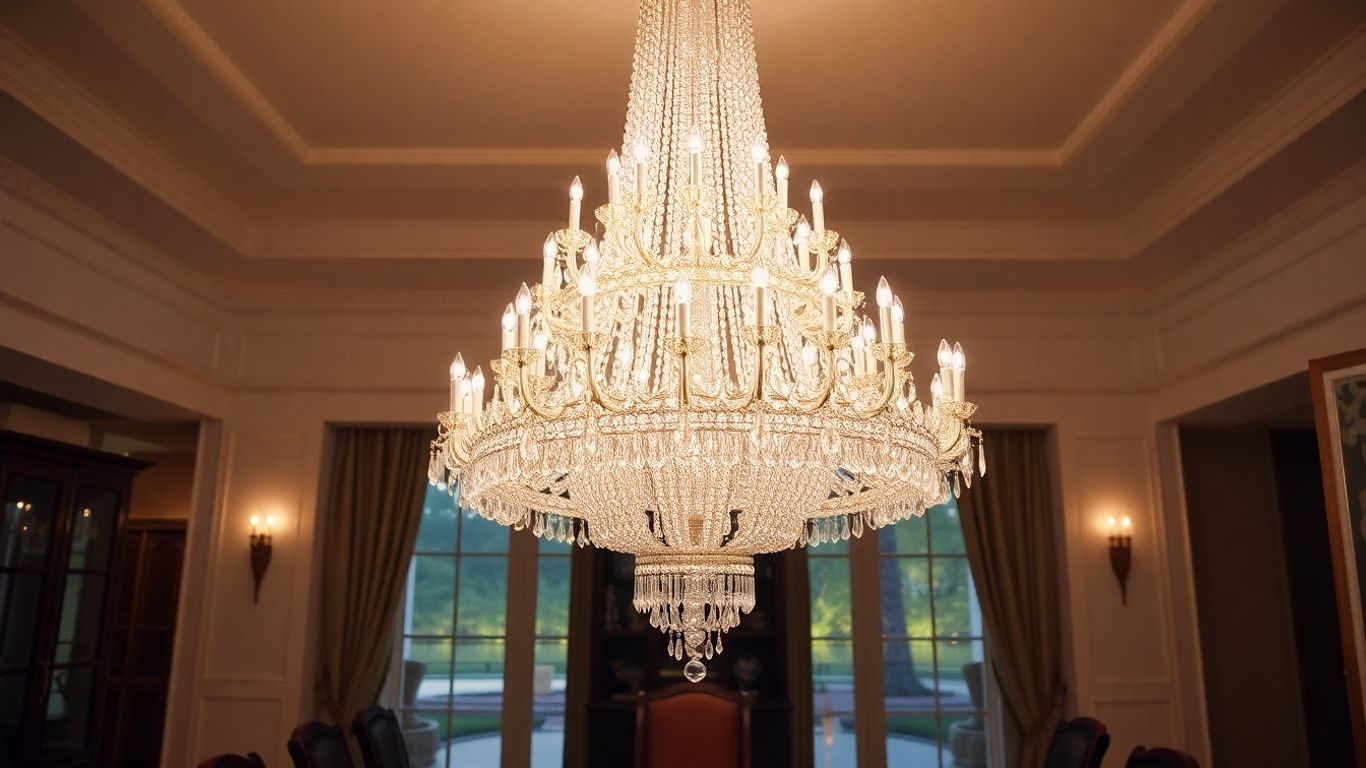
Chandeliers are often seen as the showstoppers of home lighting. They're not just about brightness; they're statement pieces designed to grab attention and add a touch of drama or elegance to a room. Think of them as the jewellery for your ceiling.
Traditionally, chandeliers were associated with grand dining rooms or ballrooms, dripping with crystals and intricate metalwork. While those classic styles are still around, modern chandeliers have really evolved. You can now find them in all sorts of designs, from minimalist geometric shapes to industrial-inspired pieces with exposed bulbs. They're fantastic for making a focal point in a living room, above a dining table, or even in a large entryway to welcome guests with a bit of sparkle.
When picking a chandelier, size and scale are super important. You don't want something that overwhelms a small space or gets lost in a huge room. A good rule of thumb is to consider the room's width and height. For dining tables, the chandelier should generally be about half to two-thirds the width of the table, and it should hang high enough so people don't bump their heads – usually at least 7 feet from the floor.
Here are a few popular styles you might come across:
- Crystal Chandeliers: The classic choice, offering maximum sparkle and glamour.
- Modern/Contemporary Chandeliers: Often featuring clean lines, geometric forms, and materials like metal, glass, or even wood.
- Rustic/Farmhouse Chandeliers: Think wrought iron, distressed finishes, and simpler silhouettes.
- Sputnik Chandeliers: Recognisable by their radiating arms, giving a mid-century modern vibe.
Choosing the right chandelier can really transform a space. It's about finding that perfect balance between the fixture's design and the room's overall style and proportions. Don't be afraid to go for something that makes a statement, but always keep practicality in mind too.
And don't forget about the bulbs! While many chandeliers come with specific bulb requirements, you can often use LED bulbs to save energy and get a longer lifespan. Just make sure the bulb type and brightness (lumens) suit the mood you want to create. Replacing bulbs is usually straightforward, but always check the fixture's manual if you're unsure.
3. Pendant Lights
Pendant lights are a really popular choice for adding a bit of focused light to a specific area. They hang down from the ceiling, usually on a cord, chain, or a rod, and are brilliant for illuminating what's directly below them. While some people think of them purely for ambient lighting, they're actually fantastic for task lighting too. Think about chopping vegetables in the kitchen or reading a book in your favourite armchair – a pendant light can be just the ticket.
They come in all sorts of shapes and sizes, from really simple, minimalist designs to more elaborate, decorative ones. Because they tend to cast light in a more concentrated area compared to, say, a chandelier, they're not always the best choice for lighting up an entire large room on their own. However, they really shine when used over kitchen islands, breakfast bars, or even as a pair or trio over a dining table if the style is right. They can also be great for hallways or bedrooms.
Here are a few common places you'll find pendant lights working their magic:
- Kitchen Worktops: Providing bright, direct light for food prep.
- Dining Tables: Adding a stylish focal point and illuminating meals.
- Bedside Tables: A modern alternative to traditional lamps for reading.
- Hallways: Creating a welcoming glow and guiding the way.
When picking out a pendant, consider the bulb. You'll want something that gives off the right kind of light for the job. For task lighting, a brighter LED bulb is usually best, and you can find smart bulbs that let you control the brightness and colour temperature from your phone. For a softer, more ambient feel, a frosted bulb or one with a lower lumen output might be more suitable. It's worth checking out the range of LED bulbs available in the UK, as they're energy-efficient and long-lasting, meaning fewer trips up a ladder for replacements.
Pendant lights are incredibly versatile. They can be used individually for a subtle touch or grouped together for a more dramatic effect. The key is to match the style and scale of the pendant to the room and its purpose.
4. Wall Sconces
Wall sconces are a fantastic way to add both style and practical illumination to your home. They're mounted directly onto the wall, often protruding outwards, and can really change the feel of a room. Think of them as decorative elements that also happen to provide light. They come in all sorts of shapes and sizes, from simple, minimalist designs to more ornate, traditional styles. You can find them facing upwards, downwards, or even emitting light in both directions, and they can be shaded or unshaded, which makes a big difference to the kind of light they give off.
These fixtures are incredibly versatile, serving purposes from ambient mood lighting to focused task illumination. For instance, a shaded sconce might cast a soft, diffused glow perfect for a hallway or living room, while an unshaded, directional sconce could be ideal for reading by a bedside or highlighting a piece of art. When choosing, consider the material of the shade – a fabric shade will produce a warmer, softer light than a glass one. They're a great way to add layers of light to a space, complementing your main ceiling lights.
Here are a few common uses for wall sconces:
- Ambient Lighting: Use them in hallways, living rooms, or dining areas to create a warm, inviting atmosphere.
- Task Lighting: Place them beside a bed for reading or above a desk for focused work.
- Accent Lighting: Position them to highlight artwork, architectural features, or plants.
When thinking about placement, a general rule of thumb is to mount them about 60-70 inches from the floor, but this can be adjusted depending on the room's size and the specific fixture. You might also want to consider installing a dimmer switch with your sconces; this really lets you control the mood. If you're looking for a wide selection of these stylish fixtures, MillerLights.com has a great range.
Installing wall sconces can sometimes involve working with your home's electrical system. If you're not comfortable with DIY electrical work, it's always best to get a qualified electrician to do the job safely. They can also advise on the best placement for optimal light distribution and safety.
5. Lamps
When we talk about lamps, we're generally referring to light fixtures that aren't permanently fixed in place. Think of them as the flexible friends of your lighting setup. They're usually plug-in or battery-powered, and often have a switch right on the lamp itself, making them super easy to use. Historically, lamps had a body, a bulb, and a shade, but today, the main thing that makes something a 'lamp' is its portability and how it's not a permanent part of your home's structure.
Lamps really fall into two main camps: floor lamps and table lamps. Floor lamps are the taller ones that stand on their own on the floor, great for tucking into a corner or beside a comfy chair. Table lamps, on the other hand, are smaller and designed to sit on surfaces like side tables, desks, or consoles. They're perfect for adding a bit of focused light where you need it most, like for reading or just creating a cosy atmosphere.
Here's a quick rundown of what lamps are good for:
- Ambient Lighting: Many lamps, especially those with fabric shades, diffuse light softly, helping to create a relaxed mood in a room. They're ideal for general illumination without being harsh.
- Task Lighting: Desk lamps, for instance, are designed to provide a more concentrated beam of light. This is brilliant for activities like reading, writing, or crafting, helping to prevent eye strain.
- Decorative Accents: Lamps themselves can be quite stylish. Their bases and shades can add a lot of personality and visual interest to your decor, acting as a statement piece.
Choosing the right bulb for your lamp is also a big deal. You've got everything from standard incandescent bulbs (though these are becoming less common) to energy-saving LEDs and even smart bulbs that you can control with your phone. When you're picking out replacement bulbs, especially for LED light bulbs in the UK, it's worth checking the wattage (or equivalent) and the colour temperature to get the effect you're after. A warmer light is great for living rooms, while a cooler, brighter light might be better for a study area.
It's easy to forget how much lamps contribute to a room's feel. A well-placed lamp can completely change the mood, turning a dark corner into a cosy reading nook or highlighting a favourite piece of art. Don't underestimate the power of a good lamp to make your space feel more welcoming and functional.
6. Floor Lamps
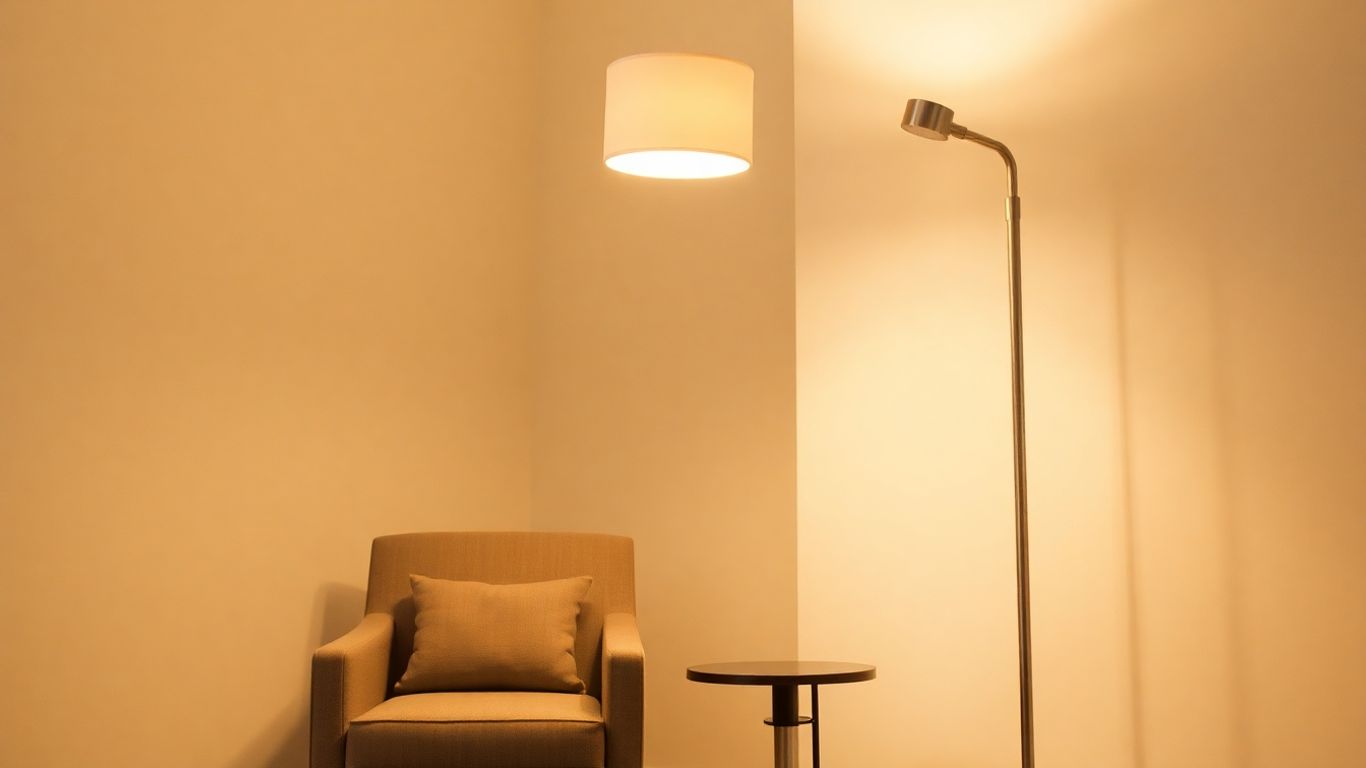
Floor lamps are fantastic for adding a bit of extra light and style to a room without needing any major installation. They're basically tall, freestanding lights that you just plug in and place where you need them. Think of them as versatile pieces that can fill an empty corner or provide focused light for a reading nook.
These lamps can really make a statement, acting as a decorative element as much as a light source. Their height means they can cast light from a higher point, which is great for general room illumination or directing light downwards for specific tasks. Just be mindful of where you put them; a busy walkway isn't the best spot as they can be easily knocked over.
Here are a few common uses for floor lamps:
- Ambient Lighting: Place one in a corner to soften the overall light in a living room or bedroom.
- Task Lighting: Position a floor lamp next to an armchair or sofa for reading or crafting.
- Accent Lighting: Use a directional floor lamp to highlight a piece of art or a plant.
When choosing a bulb for your floor lamp, consider the type of light you want. Standard incandescent bulbs give a warm glow, while LED bulbs are much more energy-efficient and last longer. You can even get smart bulbs that let you control the brightness and colour from your phone. Remember to check the maximum wattage your lamp can handle to avoid any issues.
Floor lamps offer a flexible way to brighten up your home. They don't require wiring and can be moved around as your needs or room layout changes. This makes them a great option for renters or anyone who likes to redecorate frequently.
7. Table Lamps
Table lamps are brilliant for adding a bit of focused light where you need it most, without taking over the whole room. They're not usually the main light source, but they're perfect for bedside tables, desks, or even a little corner table in the living room. Think of them as the helpful sidekicks to your main lighting.
There are generally two main types you'll come across:
- Bedside/End Table Lamps: These are designed to give off a softer, more diffused glow. They're great for reading a book before you nod off or just creating a cosy atmosphere. They often come with shades to help spread the light gently.
- Task Lamps: These are more about precision. If you're working at a desk, doing a craft, or need to see something clearly, a task lamp is your best bet. They usually have a more concentrated beam of light, and many have flexible arms so you can point the light exactly where it's needed.
When you're picking one out, consider the bulb. You'll want something that gives the right kind of light for what you'll be using the lamp for. For reading, a brighter LED bulb might be good, but for a cosy vibe, a warmer, lower-wattage bulb could be better. Lots of modern lamps take LED bulbs now, which are great for saving energy. You can even get smart bulbs that let you change the colour or brightness from your phone!
Choosing the right table lamp can really make a difference to how a room feels. It's not just about having a bulb with light; it's about creating the right mood and making sure you can actually see what you're doing without straining your eyes. Plus, they add a nice decorative touch too.
Don't forget about the shade, either. The material and colour of the lampshade will change how the light looks. A plain white shade will let more light through than a dark, thick one. It's all about finding that balance between style and function. And if you're in the UK, you'll find loads of options for LED light bulbs to fit whatever lamp you choose.
8. Spotlights
Spotlights, or directional lights as they're sometimes called, are brilliant for really drawing attention to specific things in your home. Think of them as little light pointers. You can aim them at artwork, a favourite plant, or even a cool architectural feature you're proud of. They usually have a sort of shade, often cone-shaped, that helps focus the light beam.
While they're fantastic for accent lighting, you can also swivel them around to bounce light off walls or ceilings for a broader, softer glow. It's all about where you point that beam.
Here's a quick rundown of what makes them tick:
- Directional Beam: The main job is to send light exactly where you want it.
- Adjustable: Most have a hinge or joint so you can change the angle.
- Focused Light: They give a strong, concentrated light, not a general wash.
- Versatile Use: Great for highlighting, but can also add general light.
The real beauty of spotlights is their flexibility; you can change the mood or focus of a room just by repositioning them. They're not just for museums or galleries; they can add a touch of drama and sophistication to any living space. You might find them as individual units or as part of a track lighting system, giving you even more control over where the light falls. When choosing bulbs, consider LED options for energy efficiency and longevity – they're a smart choice for spotlights that you might have on for a while. You can get smart bulbs too, which let you control brightness and colour from your phone. Just make sure the bulb fits the fitting and provides the right kind of light for what you're trying to highlight.
9. Track Lights
Track lighting systems are a really versatile option for illuminating your home. They consist of a metal track, usually mounted on the ceiling or wall, with several light fixtures that can be moved along the track. This means you can change the direction and position of the lights whenever you need to, which is pretty handy.
The main advantage of track lights is their flexibility. You can use them for all sorts of lighting needs, from general room illumination to highlighting specific features like artwork or architectural details. They're great for task lighting in a kitchen or even for creating mood lighting in a living room. Because you can direct each light head individually, you get a lot of control over where the light goes.
Here are a few common types of track lighting:
- Standard Track Lights: These are the most common, featuring a simple track and adjustable spotlights. They're a good all-rounder for most rooms.
- Monorail Track Lights: These have a more decorative, often curved, track and can accommodate a wider variety of fixture styles, sometimes even with shades.
- Cable Track Lights: Instead of a rigid track, these use cables stretched between two points, offering a more minimalist and modern look.
When choosing track lights, think about the type of bulbs you'll use. Many systems are compatible with different kinds of bulbs, including energy-efficient LED bulbs UK. You'll want to consider the brightness and colour temperature to get the right atmosphere for your space. Replacing old bulbs is also straightforward with most track systems.
Track lighting offers a modern and adaptable approach to home illumination. Its ability to direct light precisely where it's needed makes it a practical choice for various applications, from accentuating decor to providing functional task lighting. The modular nature of these systems allows for easy adjustments as your needs or room layout change.
If you're looking for a lighting solution that can adapt to your changing needs and style, track lights are definitely worth considering. They provide a clean look and can be a great way to add stylish ceiling light fixtures to any room.
10. LED Ceiling Lights
Right then, let's talk about LED ceiling lights. These things have really taken over, haven't they? And honestly, it's not hard to see why. They're a proper game-changer when it comes to lighting up your home.
The big win with LED ceiling lights is how much energy they save. Seriously, compared to those old-school bulbs, they sip electricity. This means your energy bills should drop, which is always a good thing. Plus, they last ages. We're talking years, not months, so you won't be up a ladder changing bulbs every other week. It's a bit of a 'fit and forget' situation, which suits me just fine.
Here are a few reasons why they're so popular:
- Energy Efficiency: Uses a fraction of the power of traditional bulbs.
- Longevity: Lasts significantly longer, reducing replacement hassle and waste.
- Versatility: Available in a huge range of styles and brightness levels.
- Instant Brightness: No more waiting for them to warm up.
When you're looking for LED bulbs to fit your ceiling lights, you'll see terms like 'lumens' (which is how bright the light is) and 'kelvins' (which is the colour of the light, from warm yellow to cool white). It's worth checking what your current bulbs are and what you prefer. For a cosy living room, you might want a lower kelvin number, something around 2700K. If you need bright light for a kitchen or study, aim for 4000K or higher.
You can get smart LED bulbs too, which are pretty neat. They let you control the brightness and even the colour from your phone or with your voice. It sounds a bit fancy, but it's actually quite handy for setting the mood or just turning lights off when you're already tucked up in bed.
Replacing a bulb is straightforward enough. Just make sure the power is off at the switch, let the old bulb cool down if it's been on, and then unscrew it. Pop the new one in, and you're done. Always check the fixture's maximum wattage to make sure your new bulb is suitable – you don't want to cause any electrical bother.
Brighten up your space with our fantastic LED ceiling lights! They're a brilliant way to light up any room, offering great energy savings and a clean, modern look. Discover the perfect lighting solution for your home. Visit our website today to explore our full range of LED ceiling lights!
Time to Shine
So, there you have it. Lighting your home is a big deal, isn't it? It's not just about screwing in a bulb; it's about setting the whole vibe. Whether you're after a cosy nook for reading or a bright space to get things done, the right fixture makes all the difference. We've looked at all sorts, from fancy chandeliers to simple ceiling lights and those handy wall sconces. Don't forget to think about the room you're lighting and what you actually do in there. And hey, if you're still scratching your head, maybe pop over to BulbBarn or MillerLights.com – they've got loads of options to get you started. Now go on, make your place look amazing!
Frequently Asked Questions
What's the main difference between ceiling lights and pendant lights?
Ceiling lights are fitted right onto the ceiling to give off general light for the whole room. Pendant lights hang down from the ceiling, often by a cord or chain, and are great for lighting up specific spots like a kitchen island or a dining table.
Are chandeliers only for fancy rooms?
Not at all! While chandeliers can add a touch of glamour, they come in all sorts of styles now. You can find modern, rustic, or even simple ones that work well in dining rooms, entryways, or even living rooms to create a lovely focal point.
What are wall sconces best used for?
Wall sconces are brilliant for adding a bit of extra light without taking up floor or table space. They're perfect for hallways, beside a bed for reading, or to highlight artwork, creating a warm and inviting feel.
Why should I consider LED ceiling lights?
LED ceiling lights are a smart choice because they use much less electricity than older types of bulbs, saving you money on your energy bills. Plus, they last a really long time, meaning you won't have to change them very often.
How do I choose the right size light fixture for my room?
It's important to get the size right! For example, a chandelier shouldn't be too big or too small for the room it's in. A good rule of thumb is to measure your room and look for guides online that suggest fixture sizes based on the room's dimensions.
What's the difference between a floor lamp and a table lamp?
Both are types of lamps, meaning they aren't fixed in place. A floor lamp is a tall, freestanding light that sits on the floor, while a table lamp is smaller and designed to be placed on a table, desk, or other surface.

