

Transform Your Evenings: The Ultimate Guide to Choosing Lights for Your Patio
Picture this: it’s a warm evening, and your patio is transformed into a magical outdoor retreat, all thanks to thoughtfully planned lighting. Whether you are starting new, or updating your patio, lighting is one of the recommended steps in the guide to designing a patio. This is my second favorite upgrade (grills are my #1). Whether you’re hosting dinner parties or enjoying quiet evenings outdoors, a strategic patio lighting plan is the key to creating an inviting atmosphere. Let me show you how to illuminate your outdoor space like a pro. And let me give you one pro tip right here at the beginning – dimmable patio lights are the bomb!
Key Takeaways
- Layering your patio lighting with ambient, task, and accent lights creates depth and mood.
- Choose fixtures with high IP ratings (like IP65) for durability against weather, and opt for commercial-grade string lights for longevity.
- LED technology is a smart choice for patio lighting, offering energy efficiency and a long lifespan.
- Strategic lighting for walkways and entry points improves safety and security, especially when paired with motion sensors.
- Phased installation and the use of timers or smart plugs are budget-friendly ways to manage your patio lighting project.
Understanding The Layers Of Patio Lighting
Getting your patio lighting just right is all about mixing things up. It’s not just about chucking up a few bulbs and hoping for the best. Think of it like painting a picture; you need different shades and techniques to make it pop. The real magic happens when you layer different types of light.
Creating A Canopy Of Light
This is a fantastic way to make your patio feel like a special, enclosed space, almost like a room outdoors. Imagine draping string lights across a pergola, a large umbrella, or even between trees. It creates a lovely, starry effect overhead. It gives off enough light to see by, but it’s soft and inviting. It really draws your eye upwards, making the whole area feel bigger and more dramatic. You can get some really nice modern bamboo lamps to complement this look, adding a natural touch.
Highlighting Architectural Features
Don't let the nice bits of your patio get lost in the dark. Use lights to trace the lines of columns, arches, or even the edges of your seating areas. This adds definition and makes those features stand out. It’s a simple trick that adds depth and makes your patio look more considered. You can use small spotlights or even LED strips tucked away to achieve this.
Mixing And Matching Lighting Sources
Why stick to just one type of light? Combine your string lights with other fixtures for a more interesting look. Maybe some wall sconces for general light, a few spotlights on plants, and some lanterns for a bit of portability. This layering adds texture and allows you to focus light where you need it. It means you can adjust the mood depending on what you’re doing. It’s all about creating different zones and moods on your patio.
The right colour temperature makes a big difference. Warm white light, usually between 2700K and 3000K, is best for seating and dining areas. It makes people look good and feels really cosy. Cooler lights are better for practical spots like paths, but can feel a bit harsh in a relaxation area.
Enhancing Safety With Strategic Lighting
Making sure your patio is safe, especially after dark, is a big deal. It’s not just about looking good; it’s about preventing trips and making sure everyone feels secure. Good lighting can really make a difference here, turning a potentially hazardous space into somewhere you can relax without worry.
The Impact of Dimmable Controls
Dimmable controls are a game-changer for patio safety and atmosphere. They let you fine-tune the brightness of your lights, which is brilliant for a few reasons. Firstly, you can reduce glare, especially from brighter lights, making it easier on the eyes. This is super helpful if you have lights pointing towards seating areas. Secondly, dimming lights can help prevent light pollution, which is good for the environment and for enjoying the night sky. It also means you can set the mood perfectly – bright enough to see clearly when needed, but soft and cosy for relaxing evenings. Most modern LED bulbs are dimmable, so it's worth checking when you buy.
Transforming Your Space With String Lights
String lights, often seen as fairy lights, are a versatile option that can impart a magical vibe to any backyard. They can be draped across trees, patios, pergolas, or fences, offering a soft, warm glow. Available in various styles such as globe lights, Edison bulbs, or classic fairy lights, they cater to different aesthetic preferences and are perfect for year-round use. They're not just for decoration, though. Properly spaced, they can provide enough ambient light to make pathways and seating areas visible, reducing the risk of trips and falls. Think about using them along the edge of your patio or under the eaves of a covered area for a gentle, guiding light.
Creating a Welcoming Glow
When people arrive, or when they're just moving around your garden, you want them to see where they're going. This means lighting up paths, steps, and the main entrance to your patio or house. Think about using low-level lights along pathways, maybe bollard lights or even simple stake lights spaced out. For steps, recessed lights built into the risers are a neat trick, or you could use motion-activated lights. The front door area should be welcoming, so a nice wall light or a pendant light can do the job. Clear pathways mean fewer stubbed toes and a much safer experience for everyone.
- Pathway Lighting: Use stake lights, bollard lights, or recessed ground lights. Position them at regular intervals along paths and driveways. Solar-powered options are a low-maintenance choice.
- Deck and Step Lighting: Install recessed LED lights along the edges of steps or under railings. Deck lights can also be flush-mounted to the surface for a clean look.
- Motion Sensor Lights: These are brilliant for security. They switch on automatically when they detect movement, which can startle anyone who shouldn't be there and also lets you know if something's happening. You can put these near entry points, garages, or any darker corners of your garden.
All your outdoor lights need to be built to handle the weather – rain, sun, wind, you name it. Look for things like IP ratings, which tell you how well they're protected against dust and water. For wiring, it's best to use outdoor-rated cables and make sure everything is properly installed to keep it safe and out of the way. If you're not sure about the wiring, it's always a good idea to get a qualified electrician to sort it out for you.
Smart Strategies For Budget-Friendly Lighting
Phased Installation For Better Results
Don't feel like you need to buy all your patio lights in one go. It's perfectly fine to spread the cost and build your lighting setup over time. Think of it like planting a garden; you start with the basics and add more as you go. Begin with essential safety lights for pathways or steps, and then gradually add decorative or functional lights. This way, you can see how the light looks and works in your space before committing to more. You might find that after putting up some general ambient lights, you realise you need more focused task lighting near your outdoor kitchen, or perhaps some accent lights to really show off that nice shrub. Taking it slow lets you experiment and make better choices.
- Start with safety: Prioritise lighting for walkways and entry points. This is often the most critical need.
- Add ambient light: Introduce general illumination to create a welcoming atmosphere.
- Incorporate accent lighting: Highlight specific features like trees, sculptures, or seating areas.
- Consider task lighting: If you entertain or cook outdoors, add focused light where needed.
Utilising Timers And Smart Plugs
One of the easiest ways to save money and energy is by controlling when your lights are actually on. Simple outdoor timers are quite cheap and are brilliant for stopping those 'oh, I left the lights on all night' moments. You can set them to come on at dusk and switch off at a set time, like midnight, or even have different schedules for weekdays and weekends. For a bit more flexibility, smart plugs are a good shout. You can control them using your phone, which means you can turn lights on or off from anywhere, or even set them to react to the weather. This kind of automation not only saves electricity but also makes things more convenient. For instance, you could get some decorative LED bulbs for a lantern and control them with a smart plug.
Using timers and smart plugs means your lights are only on when you need them, saving energy and money without you having to think about it. It's a simple step that makes a big difference.
Making Lighting A Gradual Hobby
Instead of seeing patio lighting as just another expense, try making it a bit of a hobby. This change in how you think about it can make the whole process more enjoyable and less overwhelming. As you add new lights or upgrade existing ones, you're not just improving your patio; you're also learning more about design and technology. Perhaps one month you focus on adding some solar-powered lights to a garden bed, and the next you invest in a few more robust LED bulbs for your main patio area. It's a rewarding way to gradually build a beautiful and functional outdoor space that you can continually adapt and improve. You might even find yourself looking forward to seasonal updates or experimenting with different types of light bulbs, like those designed for a vintage look, to see how they change the feel of your patio.
Choosing The Right Lights For Your Patio
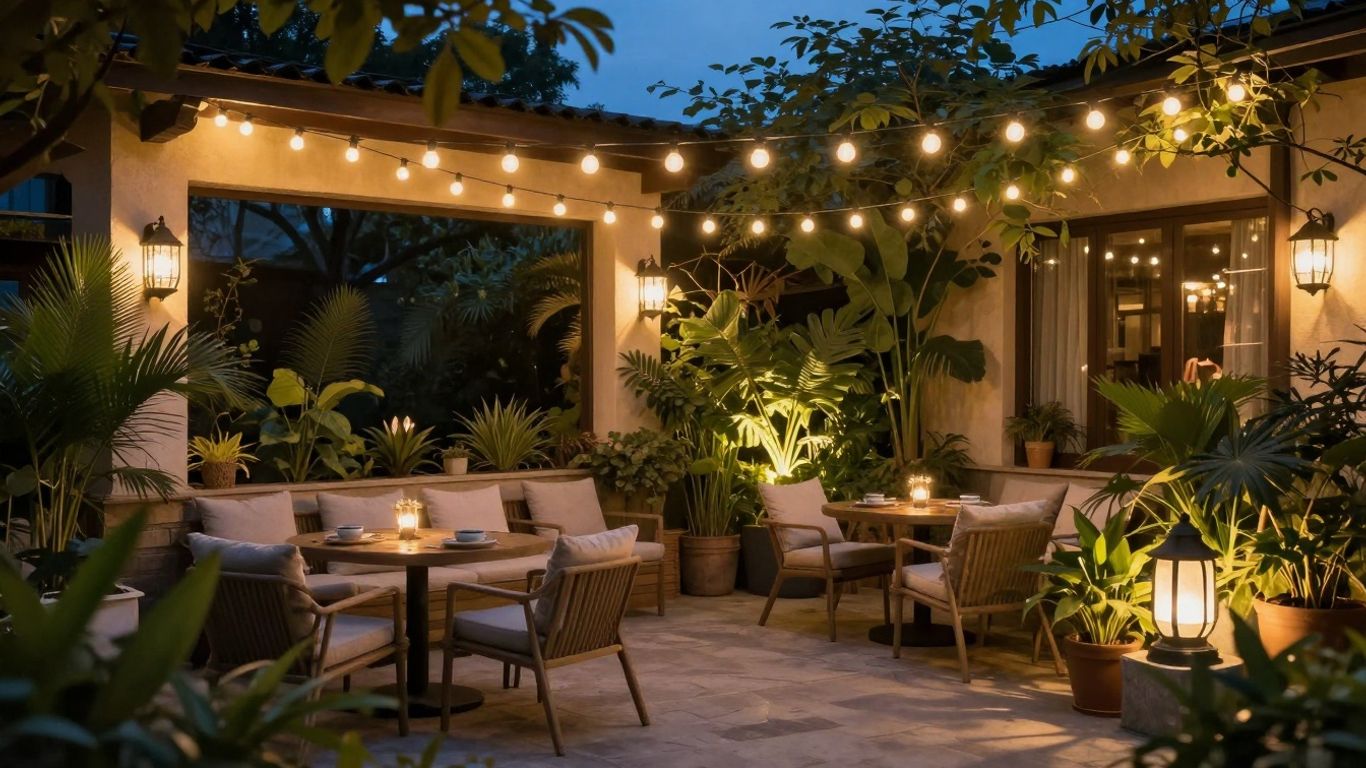
Getting the lighting right outside can really change how your patio feels after the sun goes down. It’s not just about seeing where you’re going; it’s about creating a mood, a proper vibe for relaxing or entertaining. Think about how a warm glow can make a big difference compared to harsh, bright lights. The key is to layer different types of light to create depth and atmosphere.
Ambient Lighting For Overall Illumination
This is your general, all-over light. Think of it like the main ceiling light in a room, but for your patio. String lights draped across a pergola or between trees work brilliantly here. They create a lovely, soft overhead glow that makes the space feel enclosed and cosy. You can also use wall-mounted fixtures or lanterns to provide a base level of light. The goal is to make the area feel welcoming and safe without being overly bright.
Task Lighting For Functional Areas
This is the brighter, more focused light you need for specific activities. If you have an outdoor kitchen or a barbecue area, you'll want good lighting right where you're working. Spotlights aimed at these zones, or even brighter wall lights, can do the trick. You might also need task lighting near seating areas if you enjoy reading outside. It’s all about putting light where you need it to perform a specific job.
Accent Lighting To Highlight Features
This is where you get to be a bit more creative. Accent lighting is used to draw attention to particular features of your patio or garden. Think about using small spotlights to highlight a nice tree, a sculpture, or the texture of a brick wall. You can also use LED strips tucked away to outline steps or the edges of planters. This adds depth and visual interest, making your patio look more considered and sophisticated. It’s like putting a spotlight on the best bits of your outdoor space.
Durability And Practical Considerations
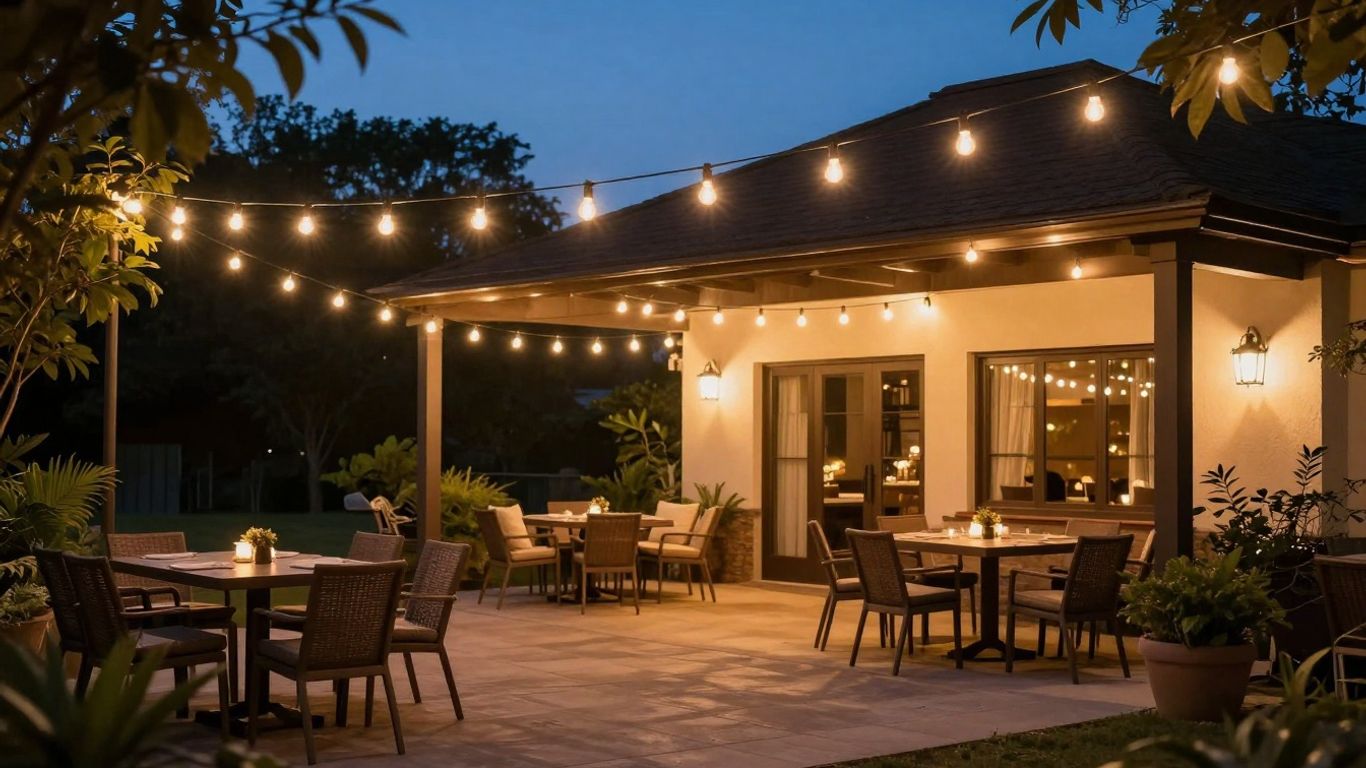
When you're picking out lights for your patio, it's not just about how they look, but how they'll stand up to the weather. You don't want to be replacing them every year, do you? That's where a bit of know-how comes in handy.
Understanding IP Ratings For Weather Resistance
This is a big one. IP ratings tell you how well a fixture is protected against dust and water. For anything that's going to be out in the open, exposed to rain and splashes, you'll want a higher rating. Think of it like this:
- IP44: Generally okay for covered areas, like under a porch roof. It offers some protection against splashing water.
- IP65: This is much better for exposed areas. It means the fixture is dust-tight and can handle water jets from any direction. This is usually the sweet spot for most patio lighting that isn't directly under cover.
- IP67/IP68: These are even more robust, offering protection against temporary immersion in water. You might not need this for standard patio lights, but it's good to know it exists.
Basically, the higher the second number, the better the water protection. Don't get caught out like I did with those 'weather-resistant' sconces that didn't survive the first big storm!
The Benefits Of Commercial-Grade String Lights
String lights are brilliant for creating that lovely, ambient glow, but not all are made equal. If you want them to last, look for commercial-grade options. They might cost a bit more upfront, but they're built tougher. This usually means:
- Thicker Cords: More robust wiring that can handle being outdoors.
- Rubber-Sealed Sockets: These protect the bulb connection from moisture, which is a common failure point for cheaper lights.
- Durable Materials: Often made with better plastics or metals that won't degrade in the sun or rain.
These are designed for heavy use, so they'll definitely outlast the flimsy ones you see in some shops. They're a worthwhile investment for long-term patio style.
Why LED Technology Is The Smart Choice
When it comes to bulbs, LED is the way to go. Seriously, it's a game-changer for outdoor lighting. Here's why:
- Energy Efficiency: LEDs use way less electricity than old incandescent bulbs. You'll notice it on your energy bill, especially if you have a lot of lights on.
- Longevity: They last for ages. We're talking thousands of hours, so you won't be constantly swapping out bulbs. This is great for those hard-to-reach spots.
- Durability: LEDs are solid-state, meaning they don't have fragile filaments like traditional bulbs. They're much more resistant to shock and vibration.
- Colour Options: You can get LEDs in all sorts of colours and warmth levels, from a cosy warm white (around 2700K) to brighter, cooler tones. For patios, a warm white is usually best for creating a welcoming atmosphere. You can even find dimmable LED bulbs, which are fantastic for setting the mood. For example, a bulb like this G95/G125 ST64 retro Edison lamp offers a warm glow and a long lifespan.
Choosing fixtures with the right IP rating and opting for commercial-grade string lights, coupled with the efficiency and longevity of LED technology, means you're setting yourself up for a durable, attractive, and cost-effective patio lighting system that will last for years to come.
Not all outdoor spaces require the same type of lighting. Choosing the right lighting fixture for each area ensures functionality and aesthetics. The right lights can enhance safety, style, and usability.
When thinking about how long our lights will last and how easy they are to use, it's important to consider the materials and design. We've put a lot of thought into making sure our products are tough and simple to handle. Want to see how we make our lights stand up to everyday life? Check out our range of LED Bulbs on our website!
So, Let's Get Your Patio Glowing!
Right then, we've gone through the basics of getting your patio lit up nicely. It's not just about sticking a few bulbs up, is it? Thinking about ambient, task, and accent lighting together really makes a difference. And remember those IP ratings – getting the right fixtures means they'll actually last. LEDs are a no-brainer for saving a bit of cash and hassle too. Don't feel like you have to do it all at once, either. Start small, see how it looks, and build from there. With a bit of planning, you can totally change how you use your outdoor space after the sun goes down. Happy lighting!
Frequently Asked Questions
What are the different kinds of lights I should use on my patio?
You'll want three main types of lights. First, 'ambient' lights give off a general glow, like ceiling lights. Then, 'task' lights are brighter and focused on areas where you do things, like the barbecue. Finally, 'accent' lights are used to draw attention to cool features, like plants or walls.
How can I be sure my outdoor lights can handle the weather?
Look for lights with a good 'IP rating'. A rating of IP65 or higher means they're protected from dust and water jets, so they'll last much longer outside. For covered areas, IP44 might be okay, but it's safer to go for higher ratings if you can.
Are commercial-grade string lights worth the extra cost?
Yes, they often are! Commercial-grade string lights usually have stronger sockets that are sealed against water. While they might cost more at first, they tend to last much longer than cheaper versions, saving you money and hassle in the long run.
How can I save money on my patio lighting project?
You don't have to buy everything at once! Break your project into smaller parts. Maybe start with lights for pathways, then add some for a favourite tree a few months later. Using timers or smart plugs also helps save electricity by turning lights off automatically.
What's the best way to make my patio feel extra cosy?
String lights are fantastic for creating a warm and inviting feel. Dimmable lights are also a great idea, as you can adjust the brightness to suit the mood, whether you're having dinner or just relaxing.
Should I use LED lights for my patio?
Definitely! LED lights are super energy-efficient, using much less electricity than old-fashioned bulbs. They also last a really long time, meaning you won't have to replace them very often, which is good for your wallet and the environment.

