

Troubleshooting LED Light Flickering: Simple Solutions for Your Home
Right then, let's talk about that annoying led light flickering. It's a common problem, isn't it? You're just trying to relax, or maybe read a book, and suddenly the lights start doing that weird blinking thing. It can be really distracting, and sometimes it makes you wonder if something more serious is going on with your electrics. Well, don't you worry, because we're going to break down why it happens and what you can do about it, from simple fixes to knowing when it's time to call in the pros. We'll get your lights sorted, no fuss.
Key Takeaways
- A loose bulb or a problem with the light socket itself is often the simplest reason for led light flickering.
- Using a dimmer switch that isn't compatible with your LED bulbs is a frequent cause of flickering.
- Sudden power surges or dips in your home's electrical current can lead to lights flickering.
- If multiple lights flicker at once, or if you notice burning smells or sparks, it's a sign of a more serious electrical issue that needs professional attention.
- To prevent future led light flickering, always choose good quality bulbs and fixtures, and make sure they're installed correctly.
Understanding The Causes Of LED Light Flickering
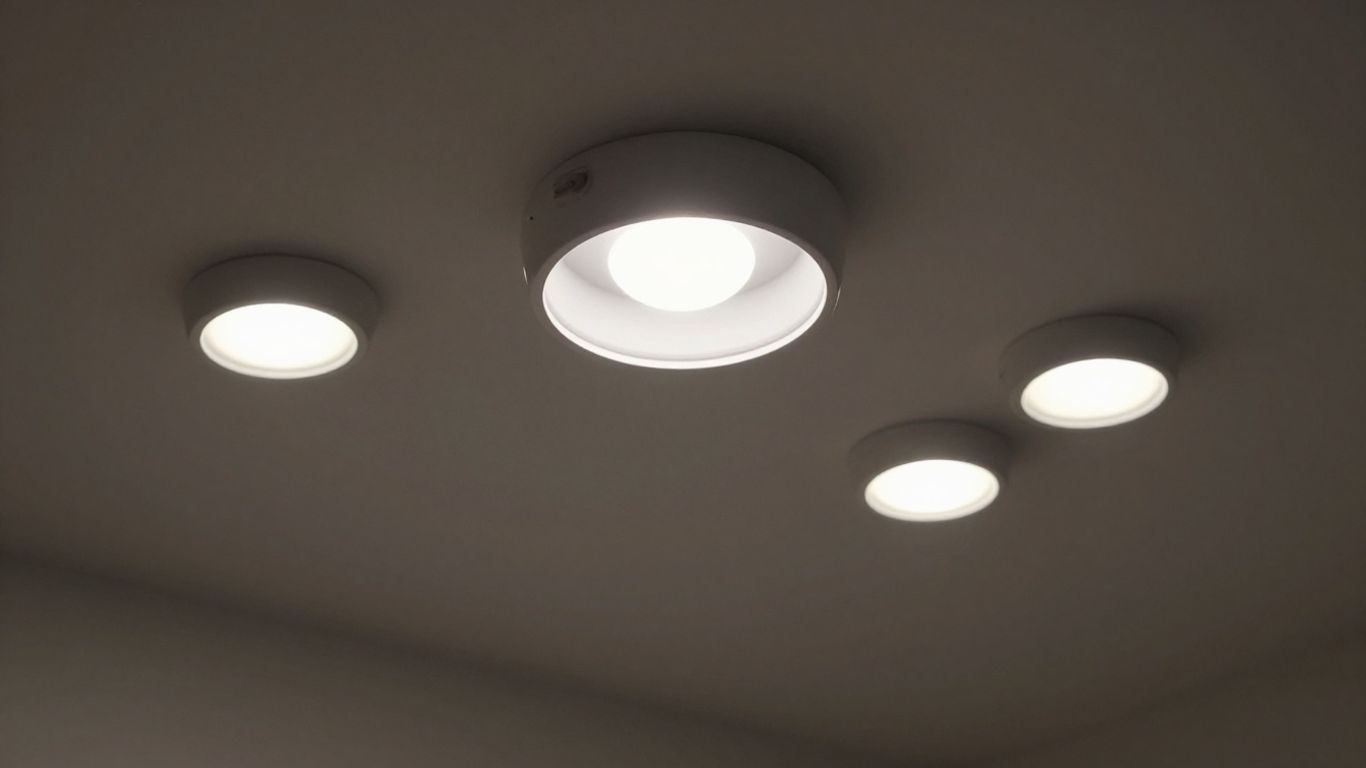
It's a bit annoying when your new LED lights start to flicker, isn't it? You'd think they'd be more reliable than those old incandescent bulbs, but sometimes they just don't behave. There are a few common culprits behind this flickering business, and knowing them can save you a lot of head-scratching.
Loose Bulb Or Socket Issues
Sometimes, the simplest explanation is the right one. A bulb that isn't screwed in tightly enough is a very frequent cause of flickering. It might seem obvious, but vibrations from doors closing, or even just settling in the house, can cause a bulb to loosen slightly in its socket. This poor connection means the electricity isn't flowing smoothly, leading to that irritating on-off effect. It's not just the bulb itself, either; the socket it screws into could also be a bit loose or worn out, causing a similar problem. This is especially true if the fixture has been up for a while or if it was installed a bit hastily.
Faulty Dimmer Switch Compatibility
If you've got dimmer switches, this is a big one. Most LED bulbs, especially the smart bulb varieties, aren't designed to work with older dimmer switches. Traditional dimmers work by rapidly switching the power on and off, which is fine for old-style bulbs. However, LEDs need a more consistent flow of power. When you try to dim an incompatible LED, the dimmer switch essentially chops up the power supply in a way the LED driver can't handle, resulting in that tell-tale flicker. It's like trying to feed a delicate plant with a fire hose – it just doesn't work well.
Inconsistent Electrical Current Flow
Beyond just the bulb and the dimmer, the electricity coming into your home needs to be steady. If your home's wiring is a bit old, or if you've got too many high-power appliances running on the same circuit, the electrical current can become inconsistent. Think of it like a busy road with too many cars – sometimes things get jammed up. When the voltage fluctuates, even slightly, it can affect the performance of your LED bulbs, particularly those with less robust internal components. This inconsistency can be caused by various things, from the local power grid having a wobble to an overloaded circuit in your own home. It's a bit more complex than a loose bulb, but it's definitely a possibility.
The internal components of LED bulbs, particularly the driver which regulates power, are sensitive to fluctuations. Cheaper, lower-quality bulbs often have less sophisticated drivers that are more prone to issues when the electrical current isn't perfectly stable. This can lead to flickering and a shorter lifespan for the bulb.
Troubleshooting Common LED Light Flickering Scenarios
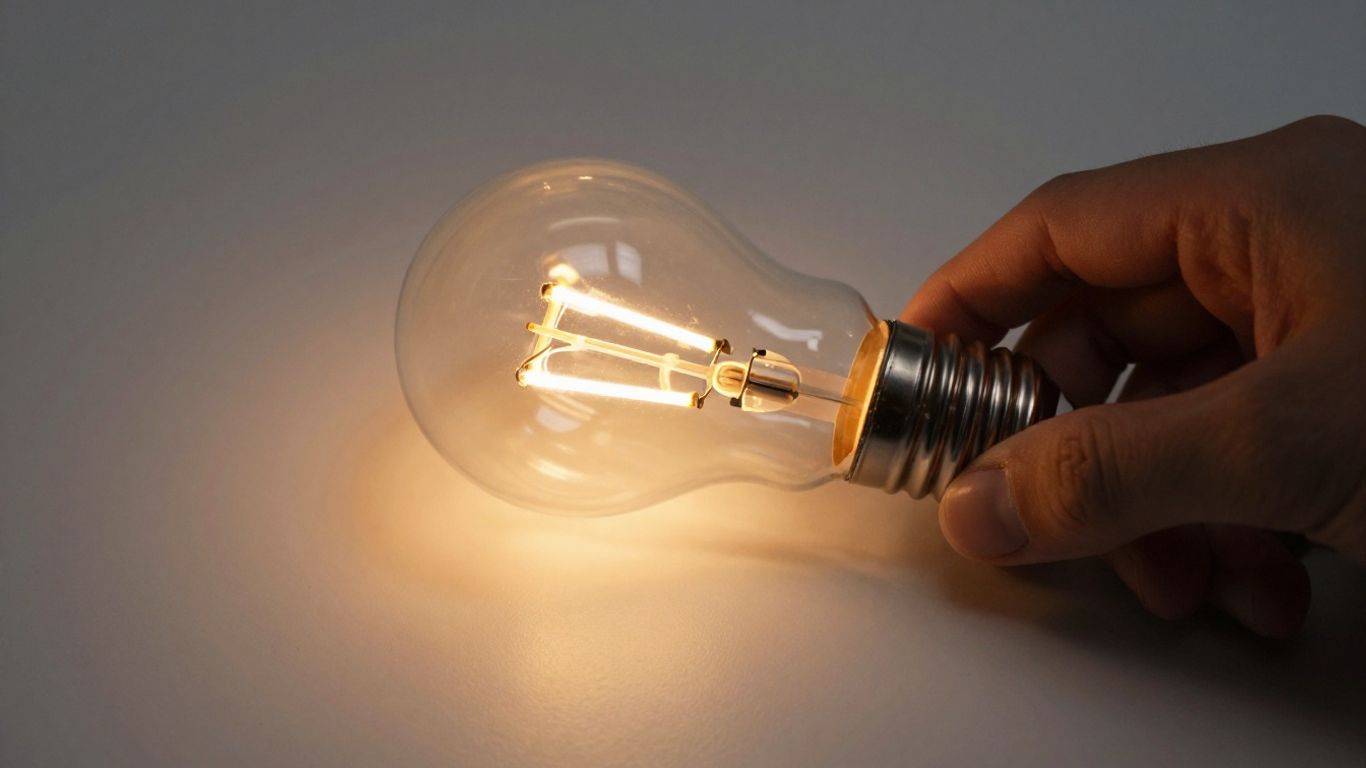
So, your LED lights have started doing that annoying flicker thing. Don't panic just yet! Often, it's something you can sort out yourself without needing to call in the cavalry. Let's look at the most frequent culprits and how to tackle them.
Addressing A Loose Light Bulb
This is probably the simplest fix, and it's surprising how often it's the cause. Over time, vibrations or even just the natural settling of your home can cause a bulb to loosen slightly in its socket. This intermittent connection is a prime suspect for flickering.
Here's what to do:
- Safety first! Make sure the light switch is turned off. If the bulb has been on for a while, give it a few minutes to cool down, especially if it's a traditional type (though most LEDs don't get that hot).
- Gently but firmly, twist the LED bulb clockwise into its socket. You want it snug, but don't force it – you don't want to crack the glass or damage the socket.
- Turn the light switch back on and see if the flickering has stopped. If it has, brilliant! You've fixed it.
If tightening the bulb doesn't do the trick, or if the bulb feels really loose even when tightened, the issue might be with the socket itself, which is a bit more involved (and we'll touch on that later).
Resolving Dimmer Switch Incompatibility
This is a big one, especially if you've recently switched to LED bulbs or installed a new dimmer. Many older dimmer switches were designed for incandescent bulbs, which work very differently from LEDs. They often work by rapidly switching the power on and off, a process that LEDs aren't always designed to handle smoothly. This mismatch can cause that tell-tale flicker.
- Check your dimmer: Is it an older model? Does it say it's compatible with LEDs? If not, this is likely your problem.
- Look for an LED-compatible dimmer: You'll need to replace your existing dimmer switch with one specifically designed for LED lights. These are readily available at most hardware stores.
- Consider smart bulbs: Some smart LED bulbs don't even need a separate dimmer switch; you can control their brightness via an app or voice command, bypassing the compatibility issue altogether.
Replacing a dimmer switch involves working with your home's electrical wiring, so if you're not comfortable with that, it's best to get an electrician to do it for you.
Checking For Circuit Overloads
Sometimes, flickering isn't about the bulb or the dimmer, but about the electrical circuit itself struggling to keep up. If you notice your lights flicker specifically when you turn on a high-power appliance – like a vacuum cleaner, a microwave, or even a hairdryer – on the same circuit, it could be a sign of an overload.
The electrical circuit in your home has a limit to how much power it can safely handle. When you plug in too many devices that draw a lot of electricity, you can temporarily strain the circuit, causing voltage dips that manifest as flickering lights. It's like trying to run too many appliances off a single extension cord – something's got to give.
- Observe the pattern: Does the flickering only happen when a specific appliance is switched on? Does it stop once the appliance is running steadily?
- Distribute the load: Try moving high-draw appliances to different circuits if possible. This spreads the electrical demand more evenly.
- Consider upgrading: If you frequently experience flickering when using certain appliances, your circuit might be undersized for your needs. This is a situation where consulting an electrician to discuss upgrading your wiring or circuit breaker capacity is a good idea.
When To Seek Professional Electrical Assistance
Sometimes, that flickering light isn't just a minor annoyance. It can be a sign that something more serious is going on with your home's electrical system. If you've tried the simple fixes and the flickering persists, or if you notice other worrying signs, it's definitely time to call in an expert. Trying to fix deeper electrical problems yourself can be risky, and frankly, it's just not worth the potential danger.
Identifying Signs Of Serious Electrical Problems
While a loose bulb is one thing, other symptoms point to a bigger issue. If you notice any of the following alongside flickering lights, don't delay in contacting a qualified electrician:
- Burning smells: A distinct smell of burning, especially near light fixtures or outlets, is a major red flag. It could mean wires are overheating.
- Sparks or discolouration: Seeing sparks when you flip a switch, or noticing discoloured or melted outlets and switch plates, indicates a serious problem.
- Buzzing or crackling sounds: Unusual noises coming from your light fixtures, switches, or even your electrical panel are never a good sign.
- Frequent tripping of circuit breakers: If breakers are constantly tripping, it suggests your circuits are overloaded or there's a fault somewhere.
Understanding Voltage Fluctuations
Sometimes, lights flicker because the voltage isn't steady. This can happen when large appliances, like your fridge or air conditioning unit, kick on. They draw a lot of power, which can cause a momentary dip in voltage, making your lights dim or flicker briefly. While an occasional flicker when a big appliance starts is often normal, if it's happening frequently or affecting multiple lights, it might mean your electrical system is struggling to cope with the demand. An electrician can check if your circuits are properly sized and if there are any issues with the main power supply coming into your home.
When Multiple Lights Flicker Simultaneously
If it's not just one light bulb acting up, but several lights across different rooms or even your whole house are flickering at the same time, this points towards a more widespread problem. It could be an issue with your main electrical panel, the wiring throughout your home, or even a problem with the power coming from the utility company.
When multiple lights flicker, it often suggests a problem that affects the entire circuit or even the main electrical supply. This isn't something to ignore, as it could indicate an overloaded system or faulty wiring that needs immediate attention to prevent potential hazards.
In these situations, a professional electrician is needed to diagnose the root cause. They can inspect your electrical panel, check the condition of your wiring, and determine if your system is adequate for your current needs. They might recommend upgrades to your panel or wiring to ensure a stable and safe electrical supply for your entire home.
Advanced Solutions For Persistent LED Light Flickering
Inspecting Wiring And Electrical Panels
Sometimes, the issue isn't with the bulb itself, but with the hidden stuff – the wiring and the main electrical panel. Over time, connections can loosen, or insulation might start to degrade. This is especially true if you've had any recent electrical work done, or if your home is a bit older. A loose wire in a junction box or a connection that's not quite right in your fuse box can cause all sorts of electrical gremlins, including that annoying LED flicker. It's not something you want to mess with if you're not comfortable, as it involves working with live electricity. A professional electrician can safely check these connections and ensure everything is secure and up to code. They'll look for signs of overheating, corrosion, or damage that could be disrupting the steady flow of power to your lights.
Considering Low-Quality Fixtures Or Bulbs
Let's be honest, we all like a bargain. But when it comes to LED bulbs and light fixtures, skimping on quality can really come back to bite you. Cheaper bulbs often use less robust internal components, like the driver that regulates the power. These budget drivers are more prone to failing or struggling with minor power fluctuations, leading to that irritating flicker. It's like buying a cheap pair of shoes; they might look okay at first, but they won't last and will probably cause you some discomfort along the way. If you've tried the simpler fixes and the flickering persists, it might be time to invest in some higher-quality LED bulbs or even a new fixture. Look for reputable brands known for their reliability.
Mitigating Electromagnetic Interference
This one's a bit more technical, but it's worth considering if your flickering is persistent and you've ruled out the more common causes. Electromagnetic Interference (EMI) can sometimes mess with the sensitive electronics inside LED bulbs and their drivers. Things like other electrical devices, faulty appliances, or even poorly shielded wiring in your home can emit electromagnetic fields. These fields can disrupt the stable operation of the LED, causing it to flicker. While it's tricky to completely eliminate EMI, sometimes repositioning certain appliances or using shielded cables can help. If you suspect EMI is the culprit, it might be worth consulting an electrician who has experience with these kinds of issues, as they can help identify the source and suggest solutions.
Preventing Future LED Light Flickering
So, you've managed to sort out that annoying LED flicker. Great stuff! But how do you stop it from happening again? It's all about being a bit more mindful when you're buying and installing your lights. Think of it like this: you wouldn't buy the cheapest car parts and expect them to last forever, right? Lighting's much the same.
Choosing High-Quality LED Products
When you're out shopping for new LED bulbs or fixtures, don't just grab the first pack you see. It really pays to invest in reputable brands. Cheaper, no-name bulbs often cut corners on the internal components, especially the driver. This little bit of tech is what regulates the power going to the LEDs, and if it's not up to scratch, it's a prime suspect for causing flicker. Look for bulbs that mention good thermal management and have decent warranties. It might cost a bit more upfront, but you'll likely save yourself hassle and money in the long run by not having to replace them as often.
Here's a quick rundown of what to look for:
- Brand Reputation: Stick with well-known manufacturers with a good track record.
- Certifications: Look for safety and quality marks like CE.
- Driver Quality: While hard to see, reviews or product specs might hint at the driver's quality.
- Warranty: A longer warranty often indicates the manufacturer's confidence in their product.
Ensuring Proper Installation Practices
Even the best bulbs can flicker if they're not installed correctly. This is where things can get a bit technical, so if you're not comfortable, it's always best to get a qualified electrician involved. Making sure connections are secure is key. Loose wiring, whether in the bulb socket, the fixture itself, or even further back in the junction box, is a common culprit.
When replacing a bulb, always make sure it's screwed in firmly but not so tight that you damage the socket. If you're installing a new fixture, double-check that all the wires are connected properly and securely, with no stray strands of copper showing. It's also worth remembering that LEDs often have specific requirements for dimmers. If you're using a dimmer switch, make sure it's specifically designed to be compatible with LED lights. Using an old dimmer with new LED bulbs is a recipe for flickering.
Regular Electrical System Maintenance
Your home's electrical system isn't something you can just set and forget. Like any part of your house, it needs a bit of TLC now and then. Scheduling regular check-ups with an electrician can help catch potential problems before they escalate into flickering lights or worse.
An electrician can inspect your wiring, check your fuse box or breaker panel for any signs of strain or outdated components, and test the overall stability of your electrical current. They can identify overloaded circuits or loose connections that you might not even know exist. Think of it as a health check for your home's power supply. It's a proactive step that can prevent a whole host of electrical gremlins, including those pesky LED flickers, and keep your home safe and sound.
Sometimes, even with the best intentions and high-quality products, external factors can still cause issues. Things like power surges from the grid or interference from other electronic devices in your home can occasionally affect your LED lights. While you can't always control these, having a well-maintained and robust electrical system in your home provides the best defence against them.
To stop your LED lights from flickering in the future, make sure you're using the right kind of dimmer switch. Not all dimmers work well with LEDs, and using the wrong one can cause that annoying flicker. For more tips on keeping your lights steady, check out our website.
Wrapping Up Your Flickering Light Woes
So, there you have it. Flickering lights can be a bit of a nuisance, can't they? Sometimes it's just a loose bulb needing a quick twist, other times it points to something a bit more involved like a dodgy dimmer switch or even wiring that's seen better days. We've gone through a few common culprits and simple fixes you can try yourself. But remember, if you've tried the easy stuff and the flickering carries on, or if you're seeing other odd signs like strange smells or heat, it's always best to get a qualified electrician to have a look. Safety first, after all!
Frequently Asked Questions
Why is my light bulb flickering?
A flickering light bulb usually means the electricity going to it isn't steady. This could be something simple like the bulb not being screwed in tightly, or it might be a sign of a bigger problem like a loose wire or too many things plugged into one electrical circuit.
Can I fix a flickering LED bulb myself?
Often, yes! First, try turning off the light and gently tightening the bulb in its socket. If that doesn't work, check if the dimmer switch is compatible with LED bulbs, as older dimmers can cause flickering. If you're unsure, it's best to get help.
When should I worry about a flickering light?
If a light flickers only for a second when a big appliance turns on, that's usually okay. But if it flickers all the time, or if you see sparks, smell burning, or notice multiple lights flickering at once, it's time to call a professional electrician straight away.
What's the difference between a loose bulb and faulty wiring?
A loose bulb is easy to fix by just tightening it. Faulty wiring is more serious; it could mean wires are old, damaged, or not connected properly. This can be a fire risk and often affects more than one light.
Do dimmer switches cause LED lights to flicker?
Sometimes, yes. LED bulbs need specific dimmer switches that are designed for them. If you use an old dimmer switch meant for regular bulbs, it can cause the LED to flicker because they work differently.
What if lights flicker all over my house?
If lights are flickering in many rooms, the problem is likely not with a single bulb or fixture. It could be an issue with your main electrical panel, the wiring throughout your home, or even the power coming from outside. This definitely needs an electrician to check.

