

Understanding Light Bulb Types in the UK: A Comprehensive Guide
Feeling a bit lost with all the light bulb choices out there? Don't stress! Picking the right bulb for your home doesn't have to be a head-scratcher. This guide's got your back. We'll cover everything from the different types of bulbs to what you should think about before buying. Plus, we'll look at how the right light can change the vibe in each room. Let's jump in and make lighting your home a breeze!
Key Takeaways
- Get to know the different types of light bulbs: LED, CFL, Halogen, and more.
- Consider energy efficiency to save on bills and help the planet.
- Think about brightness (lumens) and colour temperature to set the right mood.
- Match the bulb to the room's needs: living room, kitchen, or bedroom.
- Balance initial cost with long-term savings when choosing a bulb.
Understanding Different Light Bulb Types UK
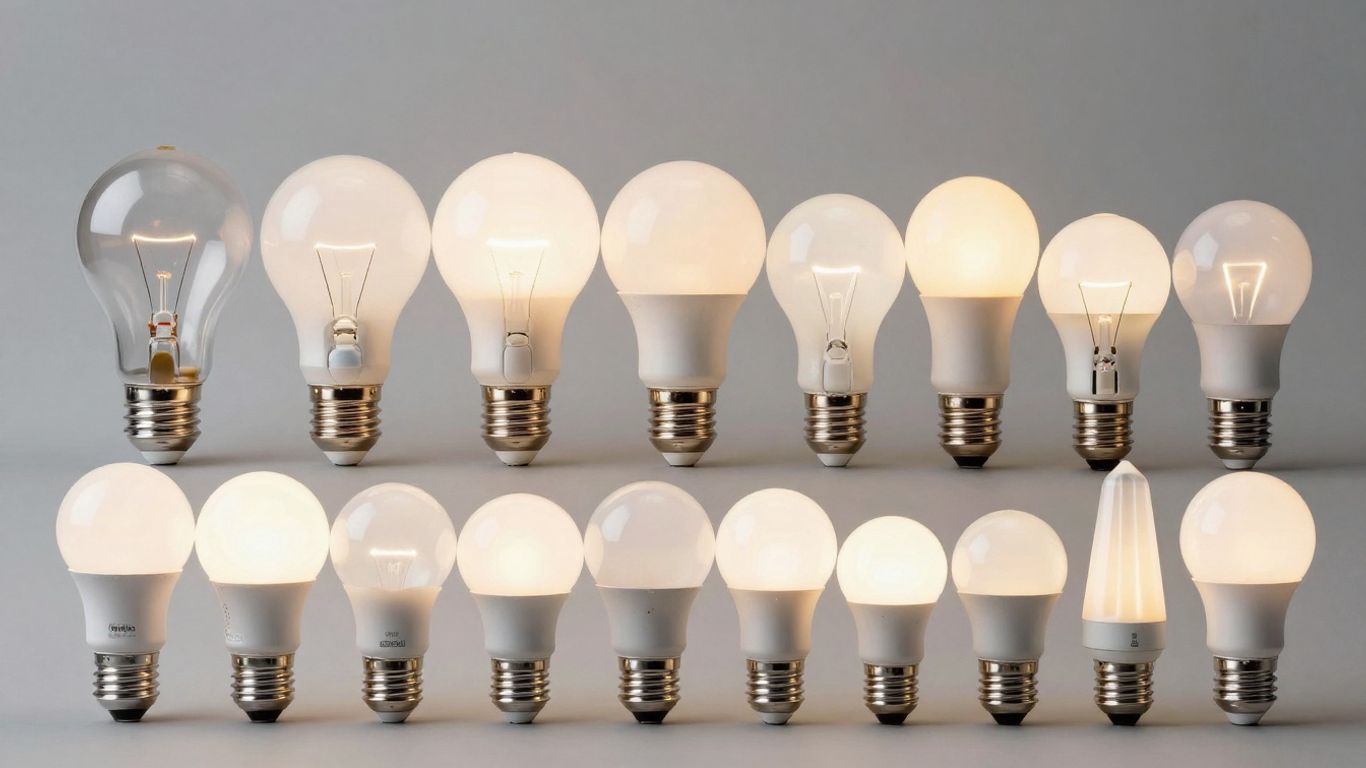
Choosing the right light bulb can feel a bit overwhelming these days, can't it? It seems like every time you pop to the shops for a simple replacement, there's a whole new range of options staring you down. Gone are the days when it was just a case of grabbing a standard bulb; now we've got LEDs, CFLs, and all sorts of fancy names. Let's break down the main players you'll find on the shelves here in the UK.
Light Emitting Diode (LED) Bulbs
These are pretty much the go-to choice for most people now, and for good reason. LED bulbs are incredibly energy-efficient and last for ages. Seriously, you can fit them and then pretty much forget about them for years. They use a fraction of the electricity compared to older types, which is great for your energy bills and the planet. You can get them in all sorts of shapes and sizes, so whether you need a tiny one for your fridge or a big one for your main ceiling light, there's likely an LED version available. They also come on instantly, no more waiting for them to warm up.
Compact Fluorescent Lamps (CFLs)
CFLs were the big energy-saving stars before LEDs really took over. They look a bit different, often with those twisty tubes. They're still more efficient than the old incandescent bulbs, but they don't quite match up to LEDs in terms of energy use or lifespan. One thing to note is that some people find the light from CFLs a bit harsh, and they can take a moment to reach full brightness. Also, because they contain a small amount of mercury, you need to dispose of them properly when they eventually give up the ghost.
Halogen Bulbs
Halogen bulbs are basically a more efficient version of the old-fashioned incandescent bulbs. They give off a nice, bright light that many people are used to, and they're often found in spotlights or specific task lighting. However, compared to LEDs and even CFLs, they're not very energy-efficient at all. They get quite hot when they're on and don't last nearly as long as LED alternatives. While they might still be around for certain applications, most people are moving away from them in favour of more modern options.
When you're looking at bulbs, you'll often see 'lumens' mentioned. This is actually the best way to tell how bright a bulb will be, rather than 'watts' which just tells you how much energy it uses. So, more lumens means a brighter light.
Here's a quick look at how they stack up:
| Bulb Type | Energy Efficiency | Lifespan (approx.) | Common Uses |
|---|---|---|---|
| LED | Very High | 15,000-25,000+ hours | General lighting, spotlights, decorative |
| CFL | Medium | 8,000-15,000 hours | General lighting |
| Halogen | Low | 2,000 hours | Spotlights, task lighting |
Common Bulb Shapes and Their Uses
When you're looking for a new light bulb, you'll notice they come in all sorts of shapes and sizes. It's not just about how they look, though; the shape actually affects where the light goes and how bright a room feels. Picking the right one can really change the feel of a space, whether you're trying to create a cosy vibe or need bright light for a specific task.
General Lighting Service (GLS) Bulbs
These are the classic, all-purpose bulbs you probably picture when someone says 'light bulb'. They've been around for ages and are used in all sorts of places, from simple pendant lights in the ceiling to some wall lamps. You can get them in different finishes, like clear or frosted glass, and they work with most standard fittings. They're usually pretty affordable and give off a good amount of light, making them a reliable choice for general illumination.
Candle Bulbs
Candle bulbs are designed to look a bit like a candle flame, often with a slightly curved or pointed tip. They're a popular choice for decorative light fittings, like chandeliers or wall sconces, where the bulb itself is on display. They add a touch of elegance and are great for creating a softer, more ambient light. You'll find them in various sizes and cap fittings to suit different fixtures.
Golf Ball Bulbs
As the name suggests, these bulbs are small and round, a bit like a golf ball. They're perfect for situations where you don't have much space, like in some smaller wall lights or decorative lamps where a larger bulb just wouldn't fit. Despite their compact size, they can still provide a decent amount of light, and they come in different finishes too.
Pygmy Bulbs
These are seriously tiny bulbs, even smaller than golf ball ones. Pygmy bulbs are used in very specific places where space is extremely limited, such as inside small glass shades on decorative lights or even in some night lights. They're designed to fit into tight spots and provide a subtle glow. You can find them in different types, including LED versions which are a good way to get a bit of light without using much power.
Specialist Light Bulbs for Specific Applications
Strip Light Bulbs
These are the long, thin bulbs you often see tucked away under kitchen cabinets or illuminating picture frames. They come in specific lengths, usually around 221mm and 284mm, and are designed for focused lighting in tight spots. While you can still find them in older incandescent versions, LED strip lights are now the go-to, offering better efficiency and longevity. They're great for adding a bit of practical light where you need it most without taking up much space.
GU10 Spotlight Bulbs
GU10s are those little twist-and-lock bulbs you see in many modern downlights, floor lamps, and even some bathroom mirror lights. They're really common for a reason – they provide a directed beam of light. You can get them in different beam angles, so you can choose how wide or narrow you want the light to spread. The big news here is the switch to LED. While halogen GU10s were the standard, LED versions are a direct replacement and give you way more options, including dimming capabilities and a wider range of colour temperatures to set the right mood.
Appliance Lamp Bulbs
Ever wondered what lights up the inside of your oven, microwave, or fridge? Chances are, it's an appliance lamp bulb. These are built tough to handle specific conditions, like the heat inside an oven. They usually have a smaller screw cap (SES). While they might seem a bit pricey compared to your average bulb, they're designed for these demanding environments. If you can find an LED version for your appliance, it's often a good idea to switch for better efficiency and a longer lifespan, though they aren't available for every single appliance just yet.
Key Factors When Choosing Light Bulbs
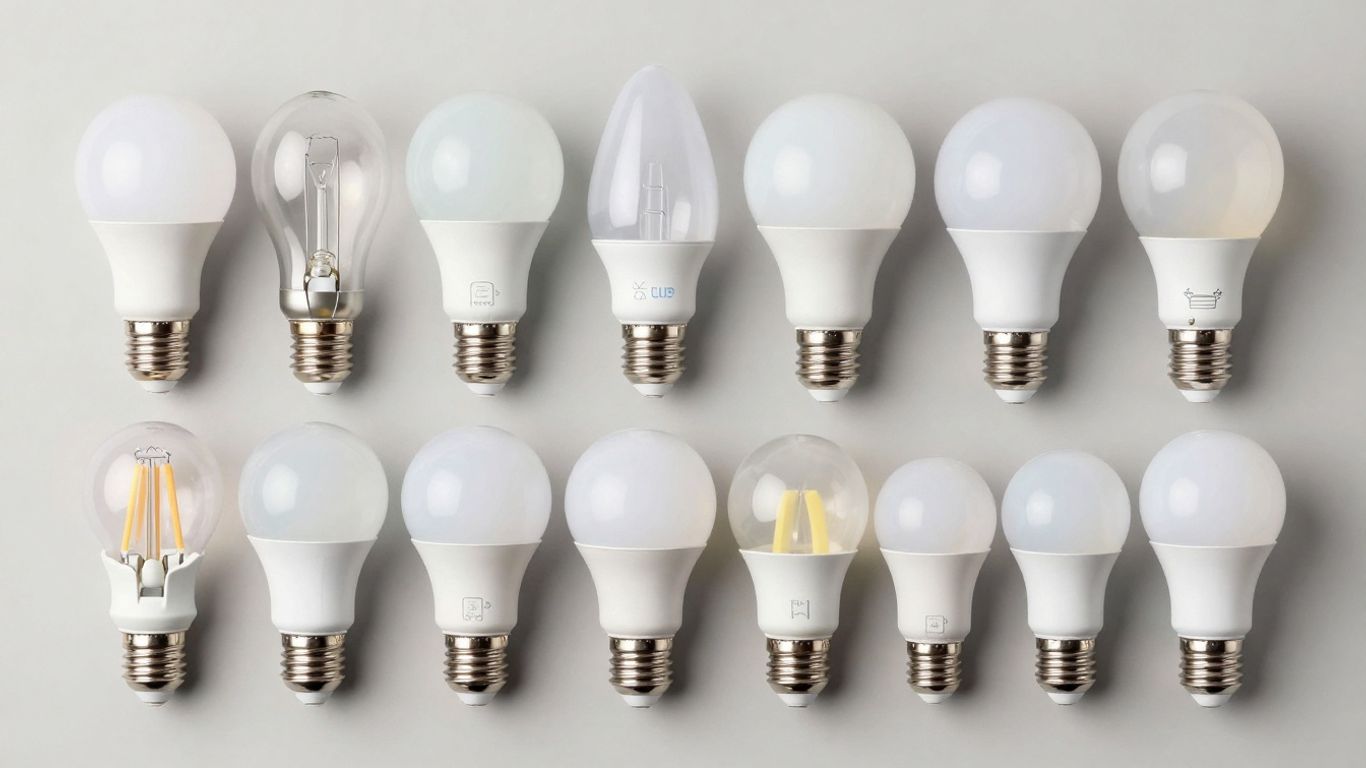
Picking the right light bulb for your home might seem a bit much at first, but honestly, it makes a difference. It's not just about screwing something into a socket; it's about getting the right feel for a room and not wasting electricity. Let's break down what you really need to think about.
Brightness Measured in Lumens
Forget watts for a second; that's more about how much energy a bulb uses, not how bright it is. The real measure of brightness is lumens. More lumens mean a brighter light. So, if you're trying to light up a big room or need good task lighting, you'll want a higher lumen count. For a cosier vibe, you might go for fewer lumens.
Here's a rough idea:
- General Lighting (e.g., living room): Aim for 1500-3000 lumens total.
- Kitchen/Work Area: Need around 2000-4000 lumens for good visibility.
- Bedroom/Relaxation: 1000-2000 lumens is usually plenty.
Colour Temperature and Ambiance
This is all about the 'feel' of the light. It's measured in Kelvin (K). Lower Kelvin numbers mean a warmer, more yellowish light, like a traditional bulb. Higher numbers give you a cooler, bluer light, which can feel more modern and alert.
- Warm White (2700K - 3000K): Great for living rooms, bedrooms, anywhere you want to relax. It's cosy.
- Cool White (4000K - 5000K): Good for kitchens, bathrooms, or home offices where you need clear, bright light to see properly.
- Daylight (5000K - 6500K): This is very bright and blue-ish, often used for specific task lighting or sometimes outdoors.
Cap Fittings and Sizes
This is a practical one, but super important. You can't just buy any bulb; it has to fit your lamp or light fixture. The most common fitting in the UK is the bayonet cap (often called B22), but screw-in caps (E27, like on many European bulbs, or the smaller E14) are also very common. Always check what fitting your current bulb has before you buy a replacement. It's usually printed on the old bulb or the fixture itself. Getting this wrong means the bulb just won't work, which is a bit annoying.
Choosing the right bulb isn't just about ticking boxes; it's about making your home feel right. Think about how you use each room and what kind of atmosphere you're going for. A bit of thought now saves you hassle and money later on.
The Evolution of Lighting Technology
It feels like just yesterday we were all fumbling around with those old-school incandescent bulbs, the ones that got ridiculously hot and seemed to blow every other week. Remember how much electricity they used? A typical UK home back then could easily spend a third of its energy bill just on lighting. Crazy, right? Thankfully, things have moved on a bit since then.
A Brief History of Light Bulbs
For ages, the humble filament bulb was the only game in town. They were simple, sure, but not exactly kind to the planet or your wallet. Then came the Compact Fluorescent Lamps (CFLs). These were supposed to be the big energy-saving answer. They did use less power, but honestly, who enjoyed waiting ages for them to warm up, only to be met with a rather harsh light? Many people just went back to the old ones.
How Modern Light Bulbs Work
Now, we've got LED bulbs, and they're a different story altogether. These little marvels are super efficient, last for ages – we're talking tens of thousands of hours – and don't contain any nasty mercury. They're durable, come in all sorts of colours and brightness levels, and are a much better choice for the environment and your energy bills. It's a big leap from those old filament types.
Smart Bulbs: The Future of Home Lighting
And the evolution hasn't stopped. The latest buzz is around smart bulbs. These aren't just about turning lights on and off anymore. You can control them with your phone, set schedules, change colours to match your mood, and even link them up with other smart home gadgets. It’s pretty neat how you can adjust the lighting in your living room from your sofa, or even when you're not at home. It really changes how we think about lighting our homes, making it more convenient and, you guessed it, often more energy-efficient too.
The journey from basic illumination to intelligent, adaptable lighting systems shows how much technology has changed our daily lives. It's not just about seeing in the dark anymore; it's about creating atmosphere, saving energy, and making our homes work better for us.
Making an Informed Light Bulb Purchase
Balancing Initial Cost with Long-Term Savings
When you're standing in the aisle, staring at a wall of light bulbs, the price tag is often the first thing that grabs your attention. It's easy to be tempted by the cheapest option, but that's rarely the smartest move in the long run. Take LED bulbs, for instance. They might cost a bit more when you first buy them compared to older types, but think about how long they last. We're talking years, not months. Plus, they sip electricity compared to their energy-hungry predecessors. So, while you might spend a little more upfront, you'll likely save a good chunk of change on your electricity bills and by not having to buy replacements so often. It's a bit like buying a sturdy pair of boots – a bit more expensive initially, but they'll see you through many seasons.
Energy Efficiency and Environmental Impact
Choosing the right bulb isn't just about your wallet; it's about the planet too. The energy a bulb uses directly impacts your carbon footprint. Traditional incandescent bulbs are real energy hogs, converting most of the electricity they use into heat rather than light. Halogen bulbs are a slight improvement, but still not great. CFLs (Compact Fluorescent Lamps) were a big step forward, using significantly less energy and lasting much longer. However, LEDs are the current champions of energy efficiency. They use a fraction of the power of older bulbs and have an incredibly long lifespan. This means less energy consumed, fewer bulbs ending up in landfill, and a smaller environmental impact overall. It's a win-win situation.
Here's a rough idea of how they stack up:
| Bulb Type | Typical Wattage | Approx. Lumens | Lifespan (Hours) | Energy Saving vs Incandescent |
|---|---|---|---|---|
| Incandescent | 60W | 800 | 1,000 | - |
| Halogen | 42W | 800 | 2,000 | ~30% |
| CFL | 15W | 800 | 10,000 | ~75% |
| LED | 10W | 800 | 25,000+ | ~85% |
Matching Bulbs to Room Requirements
Different rooms in your house have different needs when it comes to lighting. You wouldn't want the same bright, focused light in your bedroom as you would in your kitchen or a workshop. For living areas and bedrooms, a warmer, softer light is usually preferred to create a relaxing atmosphere. Think about bulbs with a lower Kelvin rating (around 2700K-3000K). Kitchens, bathrooms, and home offices, on the other hand, often benefit from brighter, more neutral or even cool white light (4000K-5000K) to help with tasks like cooking, applying makeup, or reading. For areas where you need to see fine details, like a reading nook or a craft table, look for bulbs that provide good brightness (high lumens) and a clear colour rendering. Don't forget about the bulb's shape and cap fitting either – make sure it's compatible with your existing light fixtures!
Sometimes, the simplest choices have the biggest impact. Thinking about how a light bulb will perform over time, not just on the day you buy it, can lead to better comfort, lower bills, and a little peace of mind knowing you've made a more sustainable choice. It’s worth taking a moment to consider these factors before you grab that pack of bulbs.
Choosing the right light bulb can seem tricky, but it doesn't have to be! Think about what you need the light for – is it for reading, relaxing, or just general brightness? Knowing this helps you pick the best type, like a bright LED for your desk or a warm, dimmable bulb for your living room. We've got all sorts of bulbs to suit your needs. Visit our website today to find the perfect light for every room!
So, What's the Light Bulb Verdict?
Right then, we've waded through the different kinds of bulbs out there, from the old-school ones to the fancy new LEDs. It's pretty clear that things have moved on a bit, hasn't it? While those old incandescent bulbs might have a certain charm, the energy-saving options, especially LEDs, really do make more sense these days. They last ages and won't cost you a fortune on your electricity bill. So, next time you're needing a new bulb, have a think about what we've chatted about. You might just find the perfect fit for your lamp and your wallet. Happy lighting!
Frequently Asked Questions
What's the main difference between LED and old-fashioned bulbs?
Think of old bulbs like a tiny heater that also made light – they used lots of energy and didn't last long. LEDs are super clever; they make light directly without getting very hot, so they use much less electricity and can last for years and years. They're a much better choice for saving money and the planet.
How do I know how bright a bulb will be?
Don't look at the watts – that just tells you how much power it uses. Instead, check the 'lumens' number. A higher lumen number means the bulb is brighter. For example, a 800-lumen bulb gives you a good amount of light for most rooms, like an old 60-watt bulb used to.
What is 'colour temperature' and why does it matter?
Colour temperature is about the colour of the light itself. A low number (like 2700K) gives a warm, yellowish light, perfect for cosy living rooms. A higher number (like 5000K or more) gives a cool, bluish light, which is better for places where you need to concentrate, like a kitchen or study.
What does 'bayonet' or 'screw' mean for a light bulb fitting?
This just describes how the bulb screws or pushes into the light fitting. The most common ones in the UK are the 'bayonet cap' (B22), which you push and twist, and the 'screw cap' (E27 or E14), which you screw in. Always check which type your lamp needs before buying a new bulb!
Are halogen bulbs still a good option?
Halogen bulbs are a bit better than the really old incandescent ones, but they're still not very energy-efficient compared to LEDs. They give a nice bright light, but they use a lot more electricity and don't last as long. For most uses nowadays, LEDs are a much smarter and cheaper choice in the long run.
What are 'smart bulbs' and are they worth it?
Smart bulbs are special bulbs you can control with your phone or voice. You can turn them on or off, dim them, or even change their colour without getting up! They're great for convenience and setting different moods, but they do cost more to buy than regular bulbs. They're a fun bit of tech for your home lighting.

