

Choosing the Best LED Grow Lights for Your Indoor Garden in 2026
Growing plants indoors, whether it's a few herbs on the kitchen counter or a whole setup for vegetables, really depends on the light you give them. LED grow lights have become super popular because they don't use much electricity, last a long time, and you can get them for all sorts of plants and growth stages. But with so many choices out there, picking the right ones can feel a bit confusing. This guide is here to help you figure out the best led grow lights for your indoor garden in 2026.
Key Takeaways
- Understanding the light spectrum is vital; blue light helps with leaf growth, while red light is for flowering. Full-spectrum LEDs offer a balanced approach.
- Match the wattage of your led grow lights to the size of your space and what your plants need – more isn't always better.
- LEDs produce less heat than older bulbs, meaning you can position them closer to your plants without causing damage.
- Look for durable led grow lights with a long lifespan, often over 50,000 hours, to save money and hassle in the long run.
- Consider features like adjustable spectrums, good heat management, and ease of installation and control when choosing your led grow lights.
Understanding The Science Behind LED Grow Lights
The Crucial Role of Light Spectrum For Plant Growth
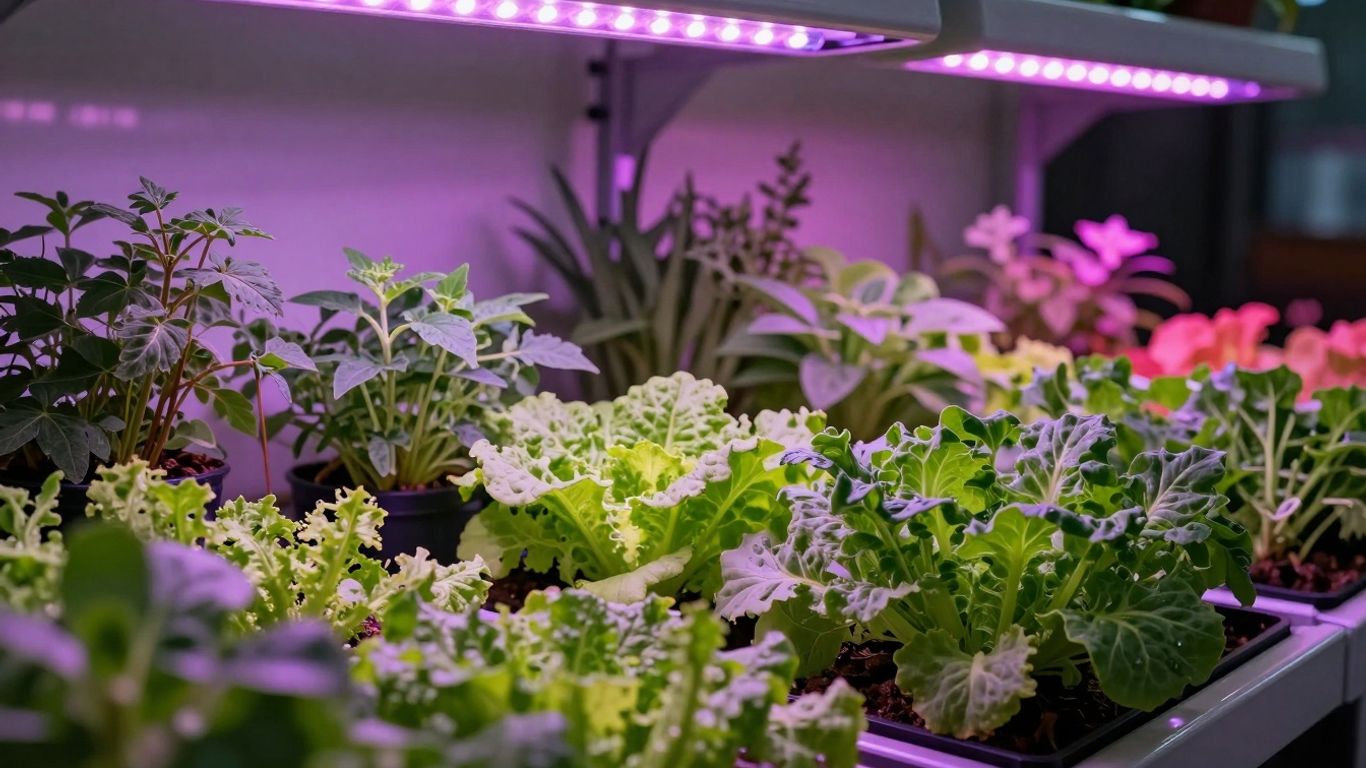
Plants, much like us, need the right kind of light to thrive, but their needs are a bit more specific. They use light for photosynthesis, which is basically how they make their food. The colour, or spectrum, of the light is really important here. Plants are particularly fond of blue and red light. Blue light helps them grow bushy and strong, developing good leaves and stems, especially when they're young. Red light, on the other hand, is more about encouraging them to flower and produce fruit, and it also helps with root development. Think of it like a balanced diet – they need a mix to grow properly through all their stages.
- Blue Light (approx. 400-500nm): Promotes vegetative growth, leaf development, and compact structure.
- Red Light (approx. 600-700nm): Stimulates flowering, fruiting, and root formation.
- Far-Red Light (approx. 700-800nm): Can influence flowering and stretching.
The specific wavelengths emitted by an LED grow light directly influence a plant's biological processes. Getting this right means your plants will be healthier and grow more vigorously.
Full Spectrum Versus Targeted Spectrum LED Applications
When you're looking at LED grow lights, you'll often hear about 'full spectrum' and 'targeted spectrum'. Full spectrum lights aim to mimic natural sunlight, providing a broad range of colours that work well for most plants, especially if you have a mixed collection. They're a good all-rounder. Targeted spectrum lights, however, focus on delivering specific wavelengths that are most beneficial for particular plant types or growth phases. For example, a light designed for seedlings might have a higher proportion of blue light, while one for flowering plants will have more red. Choosing between them depends on what you're growing and whether you need a one-size-fits-all solution or something more specialised.
How LED Technology Mimics Natural Sunlight
LEDs have come a long way, and modern grow lights are pretty clever at replicating sunlight. Unlike older grow lights that might have been inefficient or produced a lot of heat, LEDs can be engineered to emit very precise wavelengths. By combining different coloured diodes (like blue, red, and sometimes green, yellow, and even UV), manufacturers can create a light output that closely matches the sun's spectrum. This precise control allows growers to provide plants with exactly what they need, when they need it, without wasting energy on light colours that plants don't use effectively. It's like having a customisable sun for your indoor garden, tailored to the specific requirements of your plants, leading to better growth and healthier yields.
Key Considerations When Selecting LED Grow Lights
Right then, picking out the best LED grow lights for your indoor plants isn't quite as simple as just grabbing the first shiny thing you see. There are a few bits and bobs to think about to make sure you're not wasting your money and, more importantly, that your green pals are actually getting what they need. It’s a bit like choosing the right tools for a job – you wouldn't use a hammer to screw in a screw, would you?
Matching Wattage To Your Specific Growing Space
First off, let's talk power. You might think 'more watts equals more growth', but honestly, it's not that straightforward. Too much power in a small space can actually be a bad thing, potentially stressing your plants out. It’s all about finding that sweet spot. For a small herb garden on your kitchen counter, you probably don't need a massive, power-hungry unit. Something in the 100-200 watt range might be perfectly adequate. For larger setups, you'll obviously need to scale up, but always measure your growing area first. This helps you figure out not just the wattage, but also the shape of the light – whether a bar, panel, or even individual bulbs would work best.
Assessing Heat Output And Its Impact On Plants
One of the big wins with LEDs over older types of lights is that they don't chuck out as much heat. This is brilliant because you can position them closer to your plants without worrying about scorching their leaves. Still, they do produce some warmth, and you need to keep an eye on it. If the lights are too close, or if your grow space is already quite warm, you could end up with unhappy plants. It’s worth checking the manufacturer's recommendations for hanging height, as this usually takes heat into account. Generally, keeping them around 30-45 cm (12-18 inches) above your plants is a good starting point, but always adjust based on what you see.
Evaluating Durability And Expected Lifespan Of LED Fixtures
Nobody wants to be buying new lights every few months, right? That's where durability and lifespan come in. Good quality LED grow lights are built to last. We're talking potentially tens of thousands of hours – think 50,000 hours or more. This means that even though the initial cost might be a bit higher than some other options, they can actually save you money in the long run because you won't be constantly replacing bulbs. When you're looking, check out reputable brands that offer decent warranties. It’s usually a good sign that they stand by their product. Plus, thinking about the long term means you might want to consider lights that can be upgraded or expanded on, rather than having to replace the whole system down the line.
When you're choosing your lights, think about what you're actually trying to grow. Are you after a few decorative houseplants, or are you aiming for a full-on indoor vegetable patch? Tailoring your choice to these specific goals will make a big difference to how healthy your plants become and how much you enjoy the whole process.
Exploring Different Types Of LED Grow Lights
Right then, let's talk about the actual lights themselves. It's not a one-size-fits-all situation, is it? You've got everything from little bulbs that look like fancy houseplant accessories to serious setups that could power a small farm. Picking the right kind really depends on what you're growing and how much space you've got.
Compact And Stylish Options For Houseplant Enthusiasts
If you're just looking to keep your favourite houseplants happy, maybe give that sad-looking fern a bit of a boost, or start some herbs on the kitchen windowsill, you don't need a massive, industrial-looking rig. There are some really neat, compact LED options out there now. Think of them as stylish lamps rather than purely functional equipment. Some even come with adjustable arms or goosenecks, so you can direct the light exactly where your plant needs it. They often look quite smart, blending in with your home decor, which is a big plus if you're not keen on a purely utilitarian look. These are usually lower wattage, perfect for a few plants or a small area, and they don't tend to put out a huge amount of heat, which is handy when they're close to your living space.
Professional-Grade Systems For Serious Indoor Gardeners
Now, if you're planning on growing a significant amount of produce indoors, or you're really serious about getting the best possible yields, you'll be looking at the more professional-grade systems. These are the big boys. We're talking about larger panels or bar-style lights designed to cover a substantial area, like a grow tent or a dedicated indoor garden room. They often have more advanced features, like dimmable settings and spectrum control, allowing you to fine-tune the light for different stages of plant growth – from seedlings right through to flowering and fruiting. These units are built for performance and longevity, often boasting very high light output (PPFD) and long lifespans. They might seem like a big investment upfront, but for serious growers, the results and efficiency can make them well worth it.
Budget-Friendly Solutions For Beginning Growers
Don't have a massive budget or aren't sure if indoor growing is for you yet? No worries, there are plenty of options to get you started without breaking the bank. You can find simpler LED bulbs that fit into standard light fixtures, or basic panel lights that are more affordable. These are great for starting out with a few plants, like a small herb garden or some basic seedlings. While they might not have all the bells and whistles of the high-end systems, they still offer the benefits of LED technology – better energy efficiency and a longer lifespan than older types of lights. It’s a good way to dip your toes in and see how you get on before committing to a more expensive setup. Just make sure whatever you choose is designed for plant growth, not just general room lighting.
When you're starting out, it's easy to get caught up in all the technical specs. But honestly, for most beginners, a decent, full-spectrum LED light that's the right size for your space and your plants is going to do a cracking job. Don't overcomplicate it; focus on getting consistent light to your plants.
Essential Features For Indoor Plant LED Systems
When you're picking out LED lights for your indoor plants, there are a few things that really make a difference. It's not just about brightness; it's about getting the right kind of light and making sure the whole setup is easy to manage.
Spectrum Quality And Customisation Options
The light spectrum is basically the mix of colours the LED emits, and it's super important for how plants grow. Some lights give you a fixed spectrum, which is fine for basic needs, but the really good ones let you tweak it. This means you can adjust the blue and red light levels, for example, to suit different plants or different stages of growth – like encouraging leafy growth or boosting flowering. High-quality diodes, often from big names like Samsung or Osram, are key here because they provide a consistent and accurate spectrum that doesn't change much over time. This consistency means your plants get reliable support year after year.
Heat Management And Energy Efficiency
LEDs are much better than old-school grow lights when it comes to heat, but some still get warmer than others. Good heat management, usually through clever heatsink designs, means you can position the lights closer to your plants without scorching them. This is a big plus. Plus, energy efficiency is a major selling point. You want lights that use less electricity to do the same job, which saves you money on your bills and is better for the environment. Look for lights that have good efficiency ratings – they'll pay for themselves over time.
User-Friendly Installation And Control Features
Nobody wants a complicated setup. The best LED systems are straightforward to install, often coming with clear instructions and all the bits you need. Controls should be simple to understand too. Many modern lights have features like built-in timers, so you don't have to remember to turn them on and off every day. Some even connect to apps on your phone, letting you adjust settings remotely or set up schedules. This kind of convenience makes looking after your plants much less of a chore.
Choosing lights with good adjustability, efficient cooling, and simple controls will make your indoor gardening experience much more enjoyable and successful. It means less fuss and more healthy, happy plants.
Making Your Final LED Grow Light Selection
Right then, you've done your homework on spectra and wattage, and you're almost ready to pick out those perfect LED bulbs. But before you hit 'buy', let's just have a quick think about how this choice fits into your bigger indoor gardening picture. It's not just about the light itself, is it? It's about what you want to grow and how you want to grow it.
Tailoring Your Choice To Specific Growing Goals
So, what exactly are you hoping to achieve with your indoor garden? Are you after a few leafy greens for your salads, a splash of colour with some flowering plants, or perhaps a full-on vegetable patch on your windowsill? Different plants have different needs, you see. Seedlings and herbs are generally happy with less intense light, while tomatoes or peppers, the fruiting types, will want something a bit more powerful. Think about what you're growing and then match that to the LED's intensity and spectrum. It's like picking the right tool for the job – you wouldn't use a hammer to screw in a nail, would you?
Considering Long-Term Indoor Gardening Investments
When you're looking at LED grow lights, it's worth remembering that these are an investment. A decent quality system, even if it costs a bit more upfront, will likely last you for years. We're talking tens of thousands of hours of use, which means you won't be constantly buying replacements. Plus, many of the better ones come with upgrade paths, so if you get more serious about your indoor gardening down the line, you can add features or expand your setup without starting from scratch. It's about getting reliable service and good results over the long haul.
Prioritising Quality For Predictable Results
Ultimately, the best LED grow light for you will depend on what you're trying to achieve. Are you just looking for some decorative greenery to brighten up a room? Or perhaps you're aiming for an entire vegetable garden indoors? Tailoring your choice based on specific goals will lead not only towards healthier plants but also greater satisfaction in watching them thrive under optimal conditions. Don't be tempted by the cheapest option if it means compromising on quality. Investing in good lighting is the foundation for a successful indoor garden, giving your plants the best chance to flourish consistently, no matter the season outside.
Choosing the right LED grow light is more than just picking a bright bulb; it's about understanding your plants' needs and how the light will integrate into your space and your gardening ambitions. A well-chosen light will provide consistent, quality illumination, leading to healthier plants and a more rewarding growing experience. Think of it as setting your plants up for success from the very beginning.
Benefits Of Using LED Grow Lights
When you're setting up an indoor garden, especially if you're aiming for consistent results year-round, LED grow lights really do make a difference. They've become much more common for home growers lately, and it's easy to see why. They're not just a trendy gadget; they offer some solid advantages that can genuinely help your plants thrive.
Superior Light Quality For Enhanced Plant Development
One of the biggest plus points for LEDs is the quality of light they provide. Unlike older types of grow lights that might only offer a narrow band of light, good LEDs give you a spectrum that's much closer to natural sunlight. This means your plants get the right kind of light they need for all sorts of processes, from just getting started as a seedling to producing flowers or fruit. It's like giving them a perfectly balanced meal, ensuring they grow strong and healthy.
Energy Efficiency And Reduced Electricity Bills
Let's be honest, electricity costs can add up, especially if you're running lights for long hours. LEDs are incredibly efficient. They use a good chunk less electricity compared to older lighting technologies, which can lead to noticeable savings on your energy bills. Plus, using less power is generally better for the environment, which is always a nice bonus.
Long Lifespan And Minimal Maintenance Requirements
Another great thing about quality LED fixtures is how long they last. We're talking tens of thousands of hours of use. This means you won't be constantly buying replacement bulbs, which saves you money and hassle over time. Once they're set up, you can generally forget about them for a long while, just focusing on your plants instead of fiddling with equipment. It really cuts down on the general upkeep needed for your indoor setup.
Using LED grow lights is a smart move for your plants. They give off less heat, saving you money on your energy bills. Plus, they help your plants grow stronger and healthier. Want to see the difference for yourself? Check out our range of LED bulbs on our website!
Wrapping Up Your Grow Light Journey
So, after all that, picking the right LED grow light might still feel like a lot. But remember, it’s not about finding the most expensive gadget; it’s about matching what you need with what’s out there. Whether you’re just starting with a few herbs on the windowsill or aiming for a full-on indoor vegetable patch, there’s a light for you. Think about your plants, your space, and your budget. Don’t be afraid to start simple – even basic LEDs can make a big difference. With the right light, you’ll be well on your way to a thriving indoor garden, no matter the season outside.
Frequently Asked Questions
What's the main difference between full spectrum and targeted spectrum LED lights?
Think of full spectrum LEDs like a balanced meal for your plants, giving them a bit of everything they need, similar to sunlight. Targeted spectrum LEDs are more like a special diet; they focus on specific colours of light (like blue for leafy growth or red for flowering) that are best for certain stages of a plant's life or for particular types of plants.
Do I need a really powerful LED light for my small indoor garden?
Not necessarily! While more power might seem better, it's more about matching the light's strength to the size of your growing space and what your plants need. For a few herbs on a shelf, a less powerful light will do just fine without being too much.
Will LED grow lights make my room too hot?
One of the big advantages of LEDs is that they don't produce much heat compared to older types of bulbs. This means you can place them closer to your plants without worrying about scorching their leaves, which is great for keeping your growing space comfortable.
How long do LED grow lights typically last?
Good quality LED grow lights are built to last a really long time, often over 50,000 hours. This means you won't have to replace them very often, saving you money and hassle in the long run.
Are LED grow lights expensive to run?
While the initial cost of LED grow lights can be a bit higher than some other options, they are very energy efficient. This means they use much less electricity than older grow lights, so your electricity bills will be lower, making them cheaper to run over time.
Can I control my LED grow lights with my phone?
Many modern LED grow lights come with smart features. You can often control them using smartphone apps, set timers, adjust the light's brightness, or even change the light colours. Some can even connect to smart home systems for easier management.

